(The Real Problem)
Why is it so hard to pick the right espresso maker? Most people waste money on flashy screens. They pay a grand and get weak, sad coffee.
What goes wrong? You learn the hard truth later. Milk tubes clog. Old coffee grows mold inside. The machine breaks down fast if you have hard water. It is a big mess.
Quick Answer Section
Do you want the fast facts? Here is the best list. We picked these after real tests.
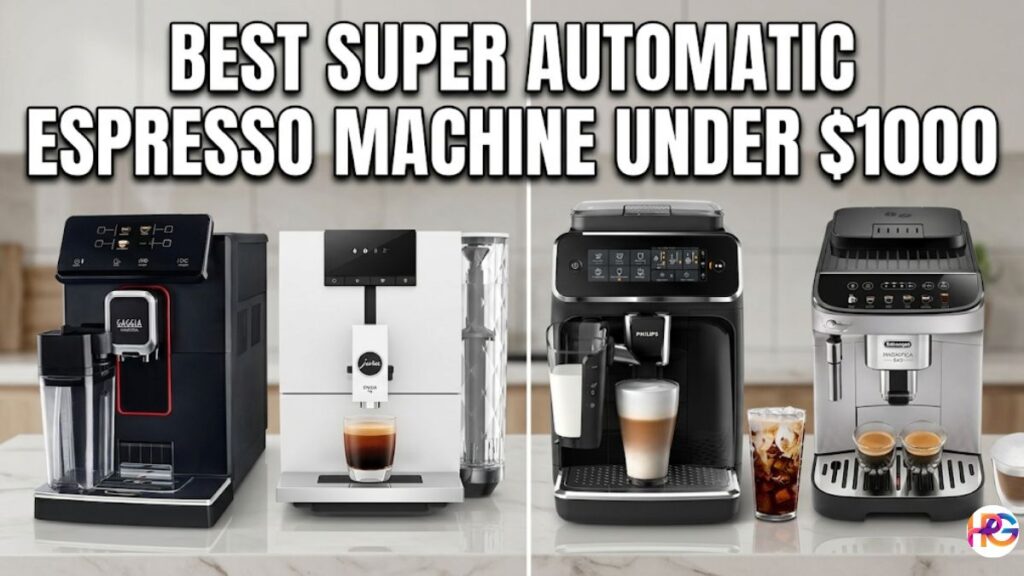
- Best overall: De’Longhi Magnifica Evo. It makes rich coffee. It lasts a long time.
- Best budget: Philips 3200 LatteGo. It is so easy to clean.
- Best premium: Gaggia Magenta Prestige. It gives you the most drink choices.
- Best for black coffee: Jura ENA 4. It skips the milk parts to make the best plain shot.
Product Comparison Section
De’Longhi Magnifica Evo
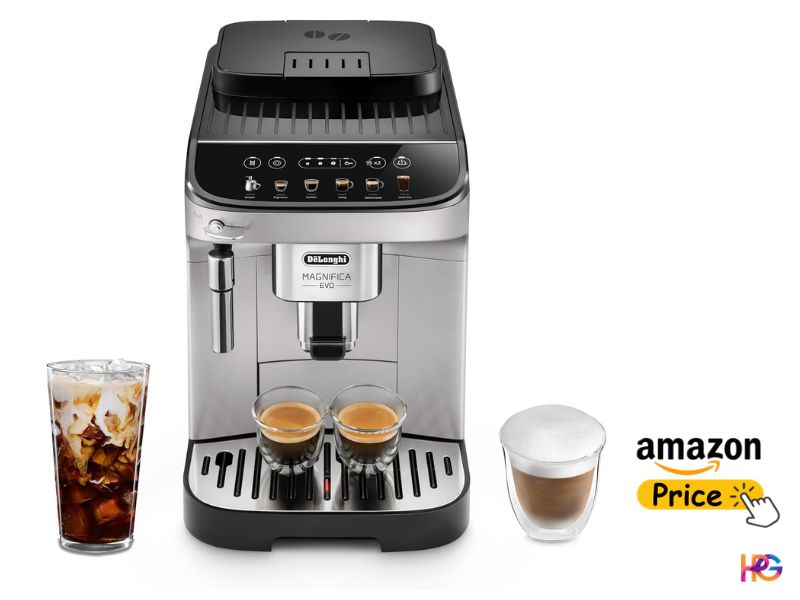
- What it is best used for: Strong, dark espresso. It packs more ground into each shot.
- Where it performs well: Making creamy milk foam. It tastes like a real cafe drink. The foam is very soft.
- Where it struggles: The buttons are confusing. The lights flash. You have to guess what they mean.
Key Details:
- Size: Holds 8.8 ounces of beans. The water tank is 60 ounces.
- Performance indicators: Strong steel grinder. Fast heat-up time.
- Ease of use: Very simple to brew. You just rinse the main parts with warm water.
Pros and Cons Table:
| Pros | Cons |
| Uses 15 grams of coffee per shot | Water tank pulls from the front |
| Makes a very strong, rich cup | Hard to use in tight kitchen spaces |
| Great milk foam system | Buttons have no real click feel |
Philips 3200 LatteGo
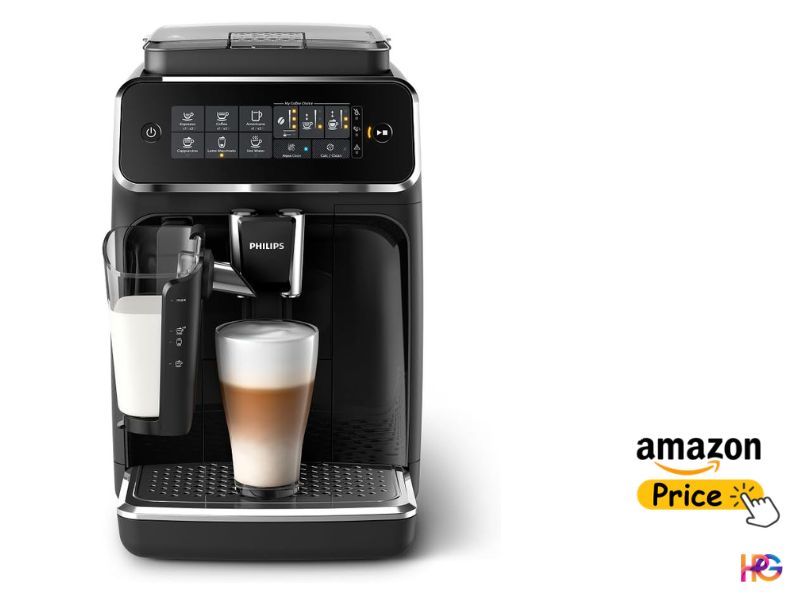
- What it is best used for: Fast milk drinks. It is great for lazy mornings.
- Where it performs well: Water filters. The AquaClean filter stops hard water scale. Scale will kill your machine. This filter saves it.
- Where it struggles: Weak coffee. It holds fewer coffee grounds. The shot is a bit thin and fast.
Key Details:
- Size: 9.7-ounce bean box. 60-ounce water tank.
- Performance indicators: Pure ceramic parts inside. Fast brew times.
- Ease of use: You can wash the milk cup in three seconds flat. It has no tubes.
Pros and Cons Table:
| Pros | Cons |
| Milk cup has no hidden tubes | Milk foam is too bubbly and dry |
| Will not trap old sour milk | Not as smooth as real cafe foam |
| Great touch screen controls | Brews a thin, weak espresso shot |
Gaggia Magenta Prestige
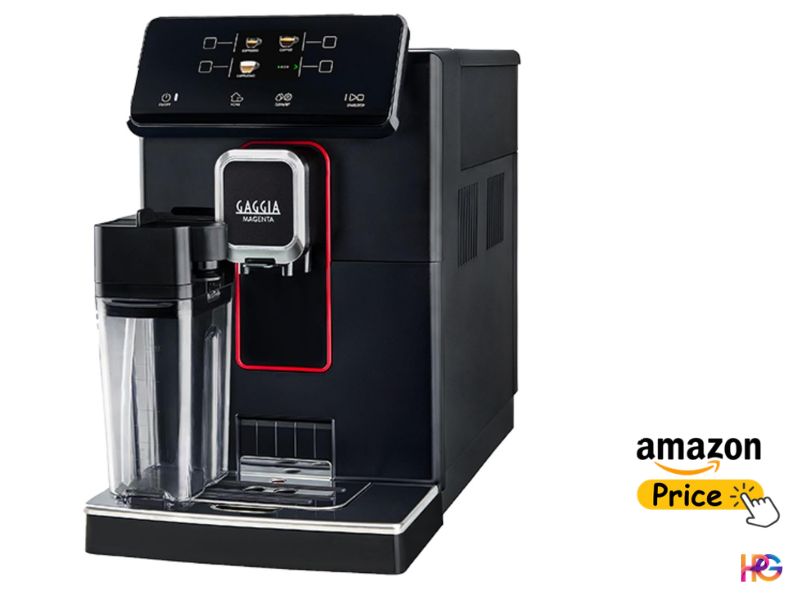
- What it is best used for: Hot, custom drinks. You control every drop of water and milk.
- Where it performs well: True black coffee, it adds plain hot water to the shot. It does not burn the grounds at all.
- Where it struggles: Daily cleaning. The milk tube gets gross fast. You must flush it out right away.
Key Details:
- Size: 8.8-ounce bean box. 60-ounce water tank.
- Performance indicators: Full color screen. Fast heating block.
- Ease of use: Easy to pick a drink. Hard to clean up later.
Pros and Cons Table:
| Pros | Cons |
| Big color screen is bright | Milk tube is hard to wash |
| Very easy to change drink size | Takes time to clean every day |
| Brews a true long black cup | Drip tray is far too small |
Jura ENA 4
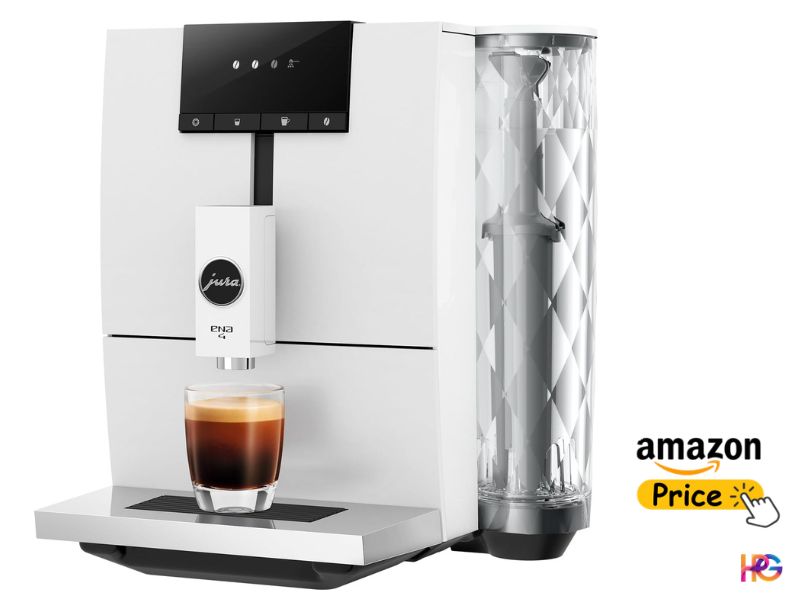
- What it is best used for: People who only want black coffee. It makes a perfect shot.
- Where it performs well: Pulling a sweet, clear shot, water pulses through the grounds. It pulls out the best flavor.
- Where it struggles: Milk drinks. It has no milk parts at all. You can only make black coffee.
Key Details:
- Size: Tiny 4.4 ounce bean box. Small 37-ounce water tank.
- Performance indicators: Smart water pulse system. Fixed the brew box.
- Ease of use: One button push. The machine cleans itself with soap pills.
Pros and Cons Table:
| Pros | Cons |
| Smart water pulse system | No milk parts included at all |
| Makes the sweetest espresso shot | You can not make a latte |
| Washes itself with soap pills | Tiny water tank needs constant fills |
Testing/Research Transparency
Brand hype means very little to us compared to real performance during a busy morning rush. That is why our testing focuses on what actually matters at six in the morning.
We look at real things. Does the coffee taste good? Is the foam soft? Is it hard to wash? Will it break in a year?
We know hard water is a big deal. Scale ruins these machines fast. During testing, we examined how easy each machine is to descale and maintain. Water filter quality also mattered, along with whether the machine could fit comfortably under a standard kitchen shelf.
Performance Comparison (Key Insights)
De’Longhi wins for pure taste. It packs more coffee into each shot. The drink is thick. It is very rich.
Philips makes weaker coffee. It holds less grounds in the basket. But it is the easiest to clean by far.
Jura lasts a long time. The parts are strong. But you must trust the cleaning pills. You can not see inside.
De’Longhi gives the best value for your cash. You get great taste. It is also quite easy to wash.
Time/Effort/Usability Reality
Setup time: It takes an hour on day one. You must test your tap water. You must set the grind size. Do not judge the first cup. It takes time to learn.
Learning curve: Philips has clear screens. De’Longhi uses weird blinking lights. You will need the book at first.
Daily usage effort: Philips takes half a minute. Dump the pucks. Rinse the cup. You are done. Gaggia takes much longer to wash.
Maintenance: Hard water causes scale. You must descale them often. You must also wash the brew group each week. Philips needs grease on the gears every month.
Real Downsides (Category-Level)
Let us be honest. These are plastic robots. They are not real baristas. Do not expect magic.
Parts will wear out over time. A gear might snap. A switch might fail. Repairs cost a lot of money. You must treat them with care.
You can not use oily beans. Dark roasts will clog the grinder. The oil is sticky. It jams the gears. You must buy dry, medium roast beans only.
Who It’s For (and Not For)
Best for:
- Busy people who want fast coffee.
- Big homes with many coffee drinkers.
- People who want to save money from cafe trips.
Not ideal for:
- Coffee nerds who want to craft their own shots.
- Fans of very dark, oily coffee beans.
- People who hate doing weekly chores.
Comparison Insight (Smart Buying Guidance)
What do you get when you pay more? Higher-end models often include better screens, automatic milk systems, and the ability to save personal user profiles.
The cheap models make the exact same black coffee. They use the same parts inside. A cheap Philips brews just like a costly Philips.
Do not spend a grand if you just want plain espresso. Buy a cheap one. Spend your cash on good, fresh beans instead.
Final Verdict
Which one is the best choice? What should you buy today?
Get the De’Longhi Magnifica Evo. The machine delivers excellent coffee while offering a durable design that is easy to rinse and maintain. Overall, it stands out as one of the safest and most dependable picks available.
If you hate washing dishes, buy the Philips 3200. The milk cup is pure magic. Just know the coffee is a bit thin.
The main trade-off is the cleaning work. If you skip the deep cleans, your machine will die fast. Treat it well. Wash it often. Use good water.
Frequently Asked Questions:
Can I use dark oily beans in a super automatic espresso machine?
No. Dark roast beans have oily surfaces. This sticky oil will clog up the built-in grinder gears. It is best to use dry, medium roast coffee beans instead.
How often do I need to descale an espresso machine under $1000?
It depends on your water. If you use a good water filter, you only need to descale every few months. Hard tap water means you must clean it much more often.
Are cheap super automatic coffee makers worse at brewing black coffee?
No. Cheap models use the exact same internal brew parts as the pricey ones. The plain black coffee tastes identical. You pay more just for fancy screens.
Is a Philips or De’Longhi automatic espresso machine easier to clean?
Philips wins for cleaning. Its tubeless milk cup rinses clean in just three seconds. De’Longhi takes more work but makes a much thicker, richer foam.
Why does my new automatic espresso maker pull weak shots?
The internal computer needs time to adjust. It takes about five to ten brews to calibrate. Check your grind setting if it still tastes too thin.