Why is it so hard to pick the best espresso machine? The web makes it seem like you need a huge budget. Experts say you need a big degree to make your morning coffee. Most people waste a lot of cash. They buy hard machines they do not want to use. Or they buy cheap junk that makes bad water. What usually goes wrong when you buy a machine? Many people overlook the hidden costs, including the need for a quality grinder. Personal morning routines and patience levels also matter more than expected. Making real coffee takes time. It takes real effort. Let us look at what actually works in the real world.
Quick Answer Section
If you want to save time, here is the fast answer. Buy based on how you plan to use it.
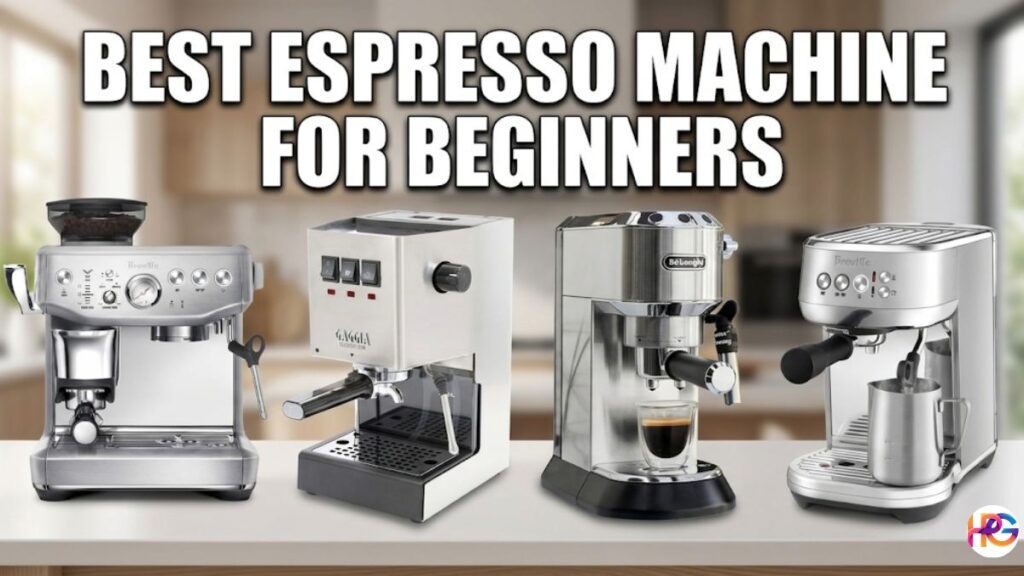
- Best overall: Breville Bambino Plus. It heats fast. It steams milk for you. It is great for new users.
- Best budget: De’Longhi Dedica EC685. It is very small. It takes pre-ground coffee. It needs low effort.
- Best premium: Gaggia Classic Pro. It uses real cafe parts. It will last for life. It is hard to learn.
- Best for quick ease: Breville Barista Express Impress. It has a built-in grinder. It tamps the coffee for you. It keeps the counter clean.
Product Comparison Section
Breville Bambino Plus
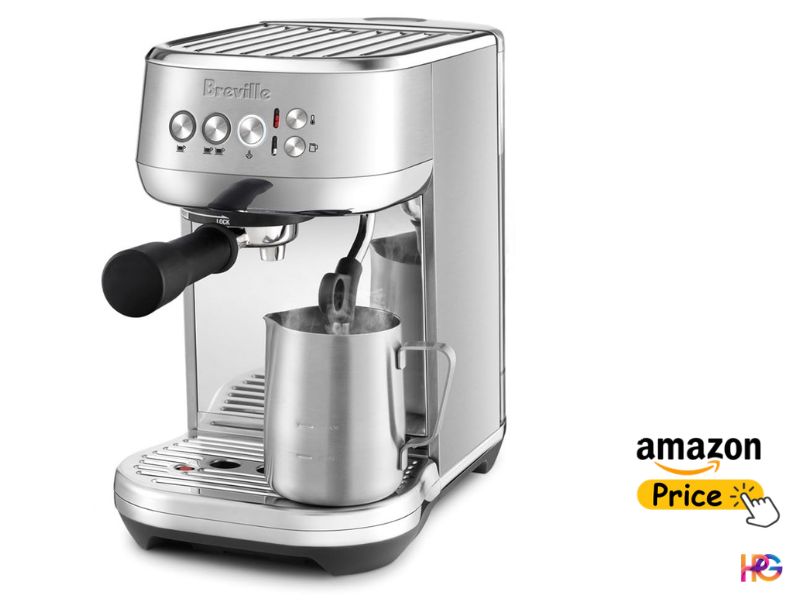
- What it is best used for: It is great for fast milk drinks. Use it for lattes before you rush out the door.
- Where it performs well: It shines with its auto milk wand. The wand makes great, smooth foam. You do not have to learn hard angles. It hits nine bars of pressure. This is the top standard for real coffee. The machine keeps the heat flat and even.
- Where it struggles: It struggles with its weight. The machine is very light. You must hold it down with your hand. If not, it will slide on your counter when you lock in the handle. The metal handle also stays cold at first.
Key Details:
- Size: 7.6 x 12.5 x 12.2 inches. It fits well in tight spots.
- Performance indicators: It heats up in three seconds. It uses a good water pump.
- Ease of use: It is highly easy to use. It uses a simple button layout.
| Pros | Cons |
| Auto wand: It makes fine milk foam on its own. | Light frame: The unit slides when you twist the handle. |
| Fast start: It heats up in three quick seconds. | Cold parts: The fast heat leaves the handle cold at first. |
| Right pressure: Nine bars stop the coffee from tasting bitter. | Strict alerts: It locks you out when it needs a deep clean. |
De’Longhi Dedica EC685
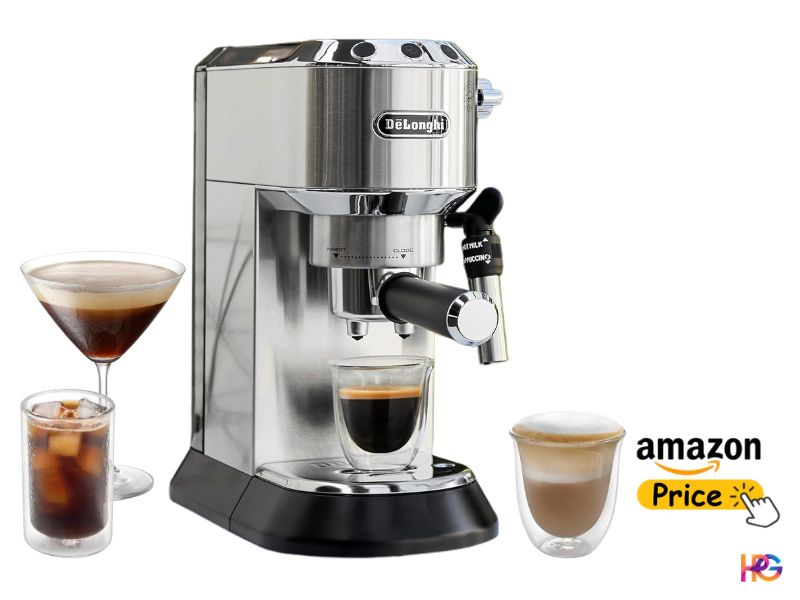
- What it is best used for: Best for tiny kitchens. Great if you want to skip pods. Good if you do not want to buy a costly grinder right now.
- Where it performs well: It works well with cheap coffee. The baskets make fake pressure. This means you can use store-bought ground coffee. It fits in tight spots. It is a quick and cheap start.
- Where it struggles: It struggles with the steam wand. The wand blows big air bubbles into the milk. It makes stiff, dry foam. This foam is too thick for nice cafe art. The space for your cup is very tight.
Key Details:
- Size: 5.9 x 13 x 12 inches. It is less than six inches wide.
- Performance indicators: It heats fast. It uses a strong pump.
- Ease of use: Very easy. It does not punish small mistakes.
| Pros | Cons |
| Tiny size: It fits in the most crowded small kitchens. | Bad wand: It makes bubbly foam that ruins milk drinks. |
| Cheap coffee okay: The basket works fine with pre-ground beans. | Low growth: The fake pressure limits how good the drink can get. |
| Fast daily use: You need very little prep or clean up time. | Tight space: Standard tall mugs will not fit under the spout. |
Gaggia Classic Pro E24
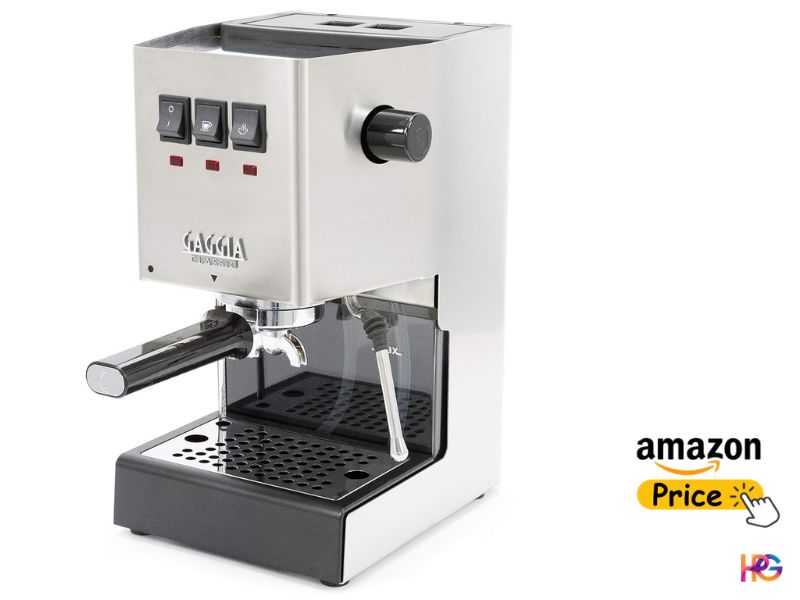
- What it is best used for: Best for the true home coffee fan. Great if you want a machine that will last twenty years. Good if you want to learn a new craft.
- Where it performs well: It shines with thick metal parts. It has a big group head. This is the exact same size real cafes use. The steam power is huge. It makes perfect drinks once you learn how to use it.
- Where it struggles: It struggles with ease of use. It holds no hands. You must stop the shot yourself. You must wait for the steam to heat up. If you do it wrong, coffee will spray out. The heat can swing high and low.
Key Details:
- Size: 9.5 x 8 x 14.2 inches. It has a large water tank.
- Performance indicators: Big boiler tank. Real cafe-style parts.
- Ease of use: Low. You need patience to learn its ways.
| Pros | Cons |
| Pro parts: Uses the exact same gear as real cafes. | Wait times: You must wait for steam heat to build up. |
| Tough build: Made of thick metal that lives a long time. | Wild heat: The water heat jumps around during the brew. |
| Strong steam: The wand rolls milk very fast and smooth. | Low clearance: You must brew into very small short cups. |
Breville Barista Express Impress
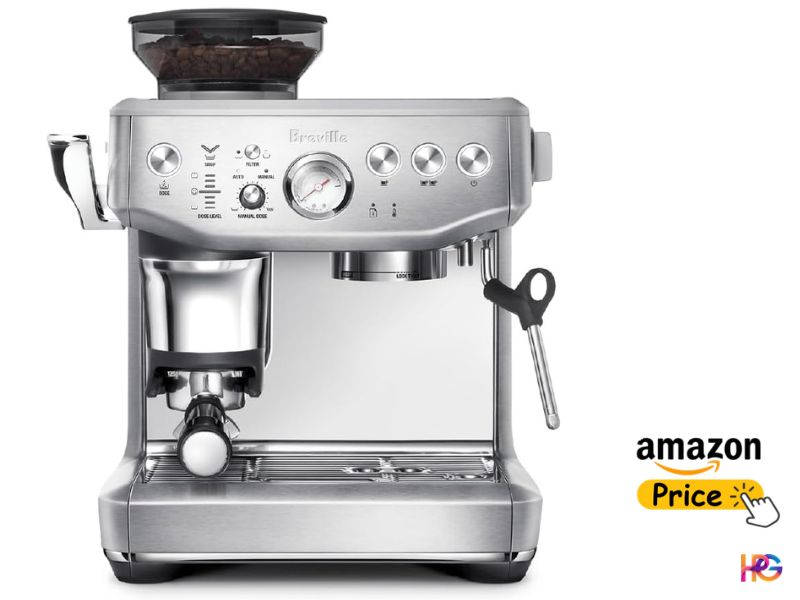
- What it is best used for: Best for tidy homes. Great if you hate spilled coffee grounds on your counter. Perfect for folks who want an all-in-one box.
- Where it performs well: It does well by keeping things clean. The built-in grinder puts coffee right where it needs to go. A side lever tamps it down for you. It uses the exact right force. It takes away the mess. It acts like a guide.
- Where it struggles: It struggles with the grinder steps. The grinder clicks into set spots. Sometimes one spot runs too fast. The next spot runs too slowly. You will feel stuck trying to fix the flow. It takes up a lot of space.
Key Details:
- Size: 13 x 15 x 16 inches. It is quite wide and deep.
- Performance indicators: Grinder built inside. Smart tamp lever.
- Ease of use: High. It guides your hands on every step.
| Pros | Cons |
| Smart lever: It packs the coffee flat for you every time. | Fixed steps: The built-in grinder lacks fine tuning checks. |
| Clean space: Coffee grounds stay fully inside the main box. | Big risk: If the grinder breaks, the whole big box is useless. |
| Smart dose: The machine learns how much coffee to grind. | Huge size: It takes up a vast chunk of your kitchen counter. |
Testing and Research Transparency
We looked at the real facts of coffee making. We did not just read shiny ads. A brand that claims fifteen bars of pressure is a red flag. Real espresso needs nine bars. High pressure just forces water through bad coffee. It tries to fake a good look.
We looked at heat control. Does the water stay hot during the shot? We looked at the daily workflow. Is it hard to make two drinks in a row? We checked the steam wand. Can it make smooth milk foam?
The most vital test was the grinder’s need. A good machine needs a great grinder next to it. Our testing focused on which machines truly require an expensive grinder and which ones still perform well with affordable coffee. Both dark and light roasts were used during the process. Heat-up times were measured with a clock, while coffee doses were carefully weighed on a scale for consistency. Real-life tests show the true flaws.
Performance Comparison
When you use them daily, the real traits show up quickly. For pure cup power, the Gaggia wins. It pulls thick shots. The other three cannot match it. Its parts are just built bigger. But the Bambino Plus gives the best daily result out of the box. It holds the heat well. The Gaggia makes you guess the heat.
For sheer ease of use, the Impress wins. Tamping straight is hard to learn. The Impress does it for you. The Dedica is simple. But it makes bad milk foam.
For building strength, the Gaggia is a tank. It will live longer than your kitchen walls. The Breville and De’Longhi are smart tech toys. They have chips that can fail over time. For the best value, the Bambino Plus wins. It gives great parts for a fair price. It leaves cash left over for a good grinder. That is a smart buy.
Time, Effort, and Usability Reality
Let us talk about your real morning. The Bambino and Dedica are ready in five seconds. You press a button and go. The Impress takes nearly one minute to warm up. The Gaggia needs twenty full minutes. Its thick metal takes a long time to heat. If you need coffee right when you wake up, the Gaggia will make you mad.
If you buy the Gaggia or a plain Bambino, you will waste coffee at first. Your first drinks will taste sour or bitter. You must learn your grinder. You must learn to pack the grounds. The Impress cuts this learning time down to a day or two.
Making one latte is fun. Making two lattes in a row is hard work. You must pull the coffee. Then you press a switch. You wait for the steam to build. You froth the milk. Then you run fresh water to cool the machine down before the next cup. It takes real time and focus.
These machines need real cleaning to live long. You have to wipe the steam wand. You must do this the second you are done. Hot milk dries fast. It blocks the tiny steam holes. You also must flush the brew head. This clears out old grinds. Once a month, you must use a cleaning pill. If you skip this, old oils go bad. Your fresh drinks will taste like burnt tires.
Real Downsides
The biggest lie in the coffee world is that the machine matters most. It does not. The grinder is the real star of the show.
If you put cheap ground coffee in a high-end machine, the water will shoot right through. The drink will be gross. You must buy a two-part setup. You need the machine. And you need a good burr grinder. Expect to spend extra cash on a fine grinder. Do not ignore this rule.
Also, cheap machines struggle to keep the water hot. When cold water flows in from the tank, the heat drops. This makes your coffee taste bad at the very end of the brew. You only fix this by spending a huge amount of money on big units. For now, you must accept this limit. You must learn to work with the heat drops.
Who It’s For (and Not For)
Best for:
- The tinkerer: The Gaggia is for the person who likes to take things apart. It is a fun weekend project.
- The rushed worker: The Bambino Plus is for the person who wants fast coffee before work. It skips the deep math.
- The tidy person: The Impress is for the user who hates a messy kitchen. It keeps all the dirt inside.
Not ideal for:
- The lazy drinker: If you just want coffee fast with no work, do not buy these. Get a pod machine instead. Save your time.
- The big host: If you have guests over and need six cups fast, avoid these. They will trap you in the kitchen for a whole hour.
Comparison Insight
When you buy a cheap machine like the Dedica, you buy a quick fix. You get a fake basket. This fakes the coffee foam. You skip the need for a good grinder. But you lose the real taste. You lose the rich texture of good beans. It is a fake drink.
Spending more money matters when you drink pure black shots. If you do not use milk, heat control is key. Milk hides bad tastes. A good machine keeps the heat flat. This makes the drink taste sweet, not sour. You pay for good heat control.
It is very smart to buy a machine and a grinder as two items. If you buy an all-in-one unit, you might outgrow the grinder part. Then you are stuck with a big box. If you buy a Bambino and a separate grinder, you can upgrade them one at a time. This saves big money later.
Final Verdict
If you want the safest bet, buy the Breville Bambino Plus. Pair it with a standalone burr grinder. It has the same pressure as costly models. It heats up right away. Its auto wand takes away the hard work of steaming. It will serve you well for years.
If you refuse to buy a grinder, get the Breville Barista Express Impress. The design offers a clean and beginner-friendly experience by naturally guiding your hands during use. It also helps keep loose coffee grounds off the counter. But you trade away the chance to upgrade the parts later.
The main trade-off in this class is human work. With this setup, you take on the role of the cafe worker. Beans need to be weighed carefully, parts require regular cleaning, and timing becomes part of the routine. If you learn to love this work, these machines will reward you. They will make your local cafe taste like dirty water.
Frequently Asked Questions
Q: Is a cheap beginner espresso machine worth it?
A: Yes. A budget espresso maker saves cash. It lets you learn the basic steps. You will get nice drinks at home fast. Want to see how much you can save each month?
Q: Do I need a grinder for the best espresso machine for beginners?
A: Yes, you do. Fresh beans make the best shots. A good burr grinder is key to top taste. It alters your whole setup. Curious which grinder fits your budget best?
Q: Can you use regular ground coffee in an espresso machine?
A: You can, but it might taste weak. Fine grinds work best for real shots. Regular grinds are too big for good extraction. Want to know how to spot the right grind size?
Q: How often do you clean a home espresso maker?
A: Wipe the milk wand after each use. Flush the main head daily. Run a deep clean cycle once a month to stop bad tastes. Ready to see our quick weekly cleaning guide?
Q: Why does my home espresso shot taste so bitter?
A: It means your water was too hot or your grind was too fine. Fix it by changing your grinder settings. Small shifts make big updates. Need help dialing in your beans?