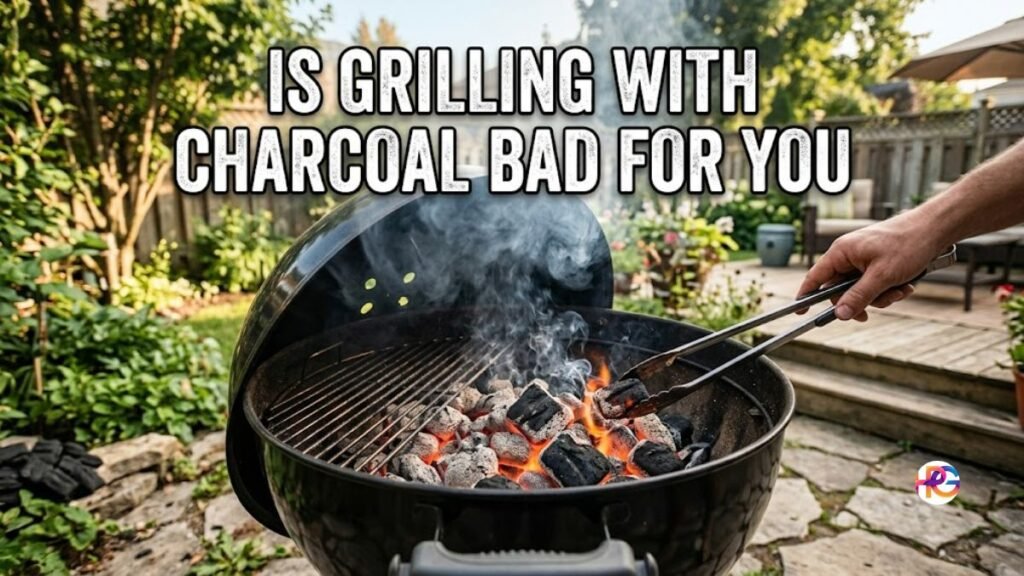
Is Grilling With Charcoal Bad For You? What I Learned About BBQ Safety
I love a good weekend cookout. For years, my backyard smelled like hickory smoke every single Saturday. But a few years ago, I read a scary article about cancer risks and BBQ. It made me pause and ask a serious question. Is grilling with charcoal bad for you?
I did not want to give up my favorite hobby. So, I dug deep into the science, read the research, and changed how I cook. I learned that the charcoal itself is not the real enemy. The danger comes from how we handle the heat, the smoke, and the meat. Here is what I discovered, the mistakes I made, and how you can still enjoy your grill safely without losing that classic flavor.
The Honest Truth: Is Grilling With Charcoal Bad For You?
Let us get right to the point. The charcoal briquettes are not toxic poison. Charcoal is mostly just carbon. When you burn it, it simply creates a heat source.
But that extreme heat creates a chemical chain reaction. When meat hits a super-hot grill, two main chemical compounds form. These are the things scientists and doctors worry about. They are called HCAs and PAHs.
I used to ignore these complex terms. I thought they were just media hype meant to ruin summer fun. But the science is very real. HCAs form when muscle meat gets cooked at very high temperatures. The intense heat actually mutates the amino acids in the meat.
PAHs are a bit different. They form directly in the smoke. When you put a juicy, fatty burger on the grill, the fat melts. It drips down onto the hot coals and sizzles. That creates a sudden burst of thick smoke. That smoke contains PAHs. It floats right back up and sticks to your food.
My Biggest Early Mistake: The “Good Char”
I used to think black, crispy edges meant I was a true grill master. I loved the crunch. I thought the thick white smoke made the food taste better.
I was completely wrong. That heavy, billowing smoke from burning fat is exactly what you want to avoid. It coats the meat in those harmful PAHs. And that thick black crust I loved so much? That is exactly where the dangerous HCAs live.
Learning this was a tough pill to swallow. I realized I was basically covering my food in the exact compounds doctors tell us to avoid. But this did not mean I had to throw away my grill. I just had to learn how to control the environment.
How I Changed My Grilling Habits for the Better
Once I understood the real risks, I completely changed my approach. You do not have to stop using charcoal. You just need to grill smarter. Here are the practical changes I made that actually work in the real world.
Trimming the Fat Before Cooking
Fat causes sudden flare-ups. Flare-ups cause heavy smoke. Smoke causes PAHs to stick to your dinner. The math is simple.
I used to buy the fattiest cuts of meat because I thought they tasted best. Now, I trim the excess fat before the meat ever touches the hot grates. This one simple step cut down my grill fires by almost ninety percent.
If I am cooking burgers, I opt for leaner ground beef. You still get that amazing charcoal flavor, but without the toxic smoke bath. It is an easy trade-off.
The Magic of a Good Marinade
This was the most surprising lesson I learned. Marinating your meat is not just for adding flavor. It is actually a powerful shield against harmful chemicals.
Studies show that soaking meat in a marinade can reduce HCA formation by a massive amount. The acid in vinegar, lemon juice, or wine acts like a protective barrier. It stops the intense heat from mutating the proteins on the surface of the meat.
Now, I never grill chicken or steak without a quick soak. Even thirty minutes in a simple oil and vinegar mix makes a huge difference. Plus, it tastes incredible, so it feels like a win for everyone.
Flipping the Meat Constantly
My dad always taught me to flip a steak only once. He said it locked in the juices. It turns out that it is a total myth.
Leaving meat on one side for too long lets the surface temperature get dangerously high. That is when the dark char forms. Now, I flip my burgers and steaks every single minute.
This keeps the internal temperature rising steadily. But it stops the outside surface from getting hot enough to create those harmful chemicals. The meat still gets a beautiful brown crust, but it never turns black.
The Two-Zone Grilling Method Saved My BBQ
If there is one technique that changed my life, it is two-zone grilling. I used to spread my hot coals evenly across the entire bottom of the grill. That meant everything was cooked on high heat all the time.
Now, I pile all my hot charcoal onto one side of the grill. I leave the other side completely empty. This creates a hot zone and a cool zone.
I sear the meat quickly on the hot side for just a minute or two. Then, I move it over to the cool side. I put the lid on and let the meat finish cooking gently, like in an oven. This method prevents burning, stops flare-ups, and cooks the food perfectly every time.
Does the Type of Charcoal Actually Matter?
When I first started worrying about my health, I blamed my cheap briquettes. I thought switching to natural lump charcoal would fix everything automatically.
Natural lump charcoal is great. It burns cleaner and leaves much less ash to clean up later. It does not have the weird fillers and chemical binders that cheap briquettes sometimes use.
But here is the honest truth. Using natural lump charcoal does not stop HCAs or PAHs from forming. The meat does not care what kind of carbon is making the heat. If the fire is way too hot and the fat drips too much, you will still get harmful chemicals.
Switch to lump charcoal for the better flavor and the clean burn. But do not treat it like a magic health shield. You still need to manage the heat and watch the smoke.
What About Vegetables and Plant-Based Foods?
Here is a piece of genuinely good news. You can grill vegetables until they are completely blackened, and they will never form HCAs.
These dangerous compounds only form in muscle proteins. That means beef, pork, poultry, and fish. Vegetables simply do not have those same proteins to mutate.
I started making half of my BBQ spread plant-based. I throw bell peppers, zucchini, thick onions, and asparagus right over the hottest coals. They get a beautiful, rich smoky flavor. It fills up the plate, tastes amazing, and carries zero risk of meat-based carcinogens.
Quick Answers to Common Charcoal Worries
Does wrapping meat in foil make it safer?
Yes, wrapping food in aluminum foil protects it from smoke and intense heat, which stops dangerous chemicals from forming.
Is it safe to eat food cooked over charcoal every day?
Experts suggest enjoying charred grilled meats in moderation, keeping it to an occasional weekend treat rather than a daily habit.
Is a gas grill safer than a charcoal grill?
Gas grills are easier to control and produce less smoke, which can lower risks, but burning meat on gas still creates harmful compounds.
Should I scrape the black char off my food?
Yes, if you accidentally burn your food, cutting away the blackened pieces removes the highest concentration of harmful chemicals before you eat.
Final Thoughts
So, is grilling with charcoal bad for you? It can be, but only if you ignore the science and let your grill run wild. The danger is not the charcoal itself. The real danger is burning your meat and letting melting fat create toxic smoke.
I still fire up my charcoal grill all summer long. I just do it with a little more respect for the heat. I trim the fat, I use tart marinades, I build two heat zones, and I flip my food often.
I enjoy my backyard BBQ just as much as I used to, but without the heavy side of worry. Grilling is one of life’s great joys. With a few smart, easy tweaks, it can stay a healthy and delicious part of your weekend routine.