The Real Problem With Blending Hot Liquids
Finding the best blender for hot soup is harder than most people expect. Many people waste money because they buy weak plastic machines that cannot handle heat. Think about roasting fresh red tomatoes. You pull them straight from a hot oven. They are smoking hot. Just drop them into a cheap plastic jar, snap the lid on tightly, and flip the power switch.
Steam builds up very fast inside the jar. The high heat shocks the cheap material. The walls of the jar crack wide open. The pressure blows the lid right off the top. Hot juice leaks all over your clean counter. Soup paints your walls. It is a big, wet mess.
What usually goes wrong when buying one? Most buyers forget about the heat. They only look at the sharp blades. Finding the best blender for hot soup is mostly about safety. You need a strong base that will not burst. It must handle boiling heat without breaking down. You want a smooth, warm meal. You do not want a fast trip to the doctor for a burn.
Quick Answer: The Best Picks
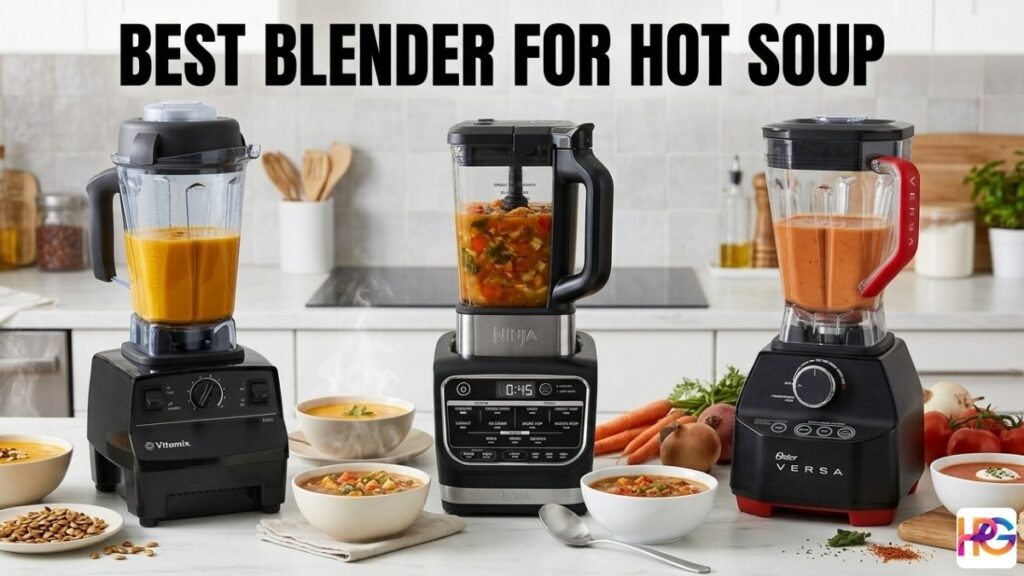
Here is a fast guide to the best choices on the market. You can trust these tools to stay in one piece.
- Best Overall Pick: Vitamix 5200. It is built like a tank. It heats your food by spinning very fast.
- Best Budget Pick: Ninja Foodi Cold & Hot. It has a real electric heater built right inside.
- Best Mid-Range Pick: Oster Versa Pro Series. It gives you strong metal parts for less cash.
- Best for Hands-Off Cooking: Ninja Foodi Cold & Hot. You just push a single button and walk away from the kitchen.
Product Comparison: The Models That Work
I look past the shiny stickers on the box. I want to see how the motor works when it gets hot.
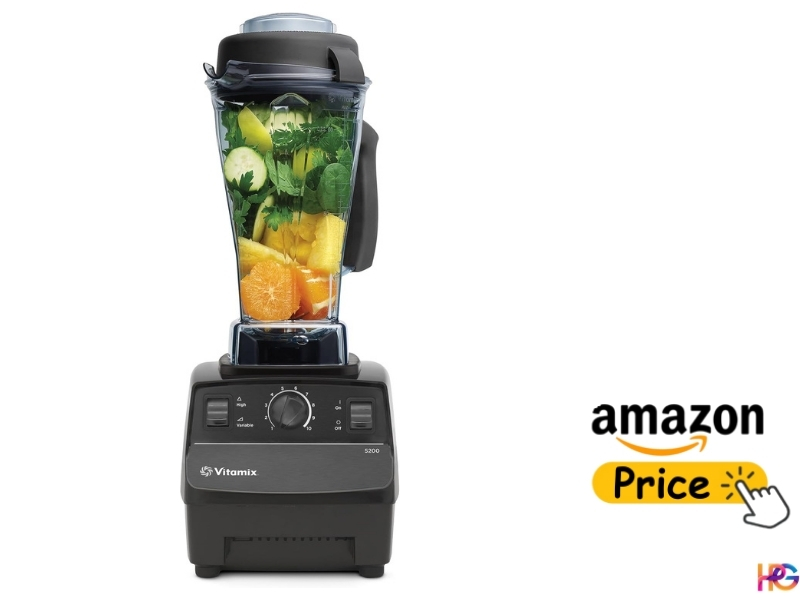
Vitamix 5200
Real-World Performance:
This machine shines when you want raw food turned to hot soup. It is best used for raw-to-hot daily cooking. It runs so fast that the blade friction makes strong heat. You drop in cold, raw veggies. Six minutes later, you have steaming hot soup.
Where does it perform well? It kills tough bits with ease. Ginger, thick apple skins, and hard seeds turn to silk. Where does it struggle? It is very tall. You cannot put it under normal kitchen cabinets. It takes up a lot of space on your counter.
Key Details:
- Size: It holds 64 ounces in a tall, tough plastic jar.
- Performance: It has a strong two-horsepower motor base.
- Ease of Use: It has simple toggle switches. There are no screens to break.
Pros and Cons Table:
| Pros | Cons |
| Simple switches draw zero vampire power when turned off. | Running it for six whole minutes is super loud. |
| Tall jar shape pulls big chunks right down to the blade. | The tall jar will not fit under standard wall shelves. |
| The top plug lets hot steam out safely while you blend. | It costs a lot of money to buy this unit upfront. |
Ninja Foodi Cold & Hot
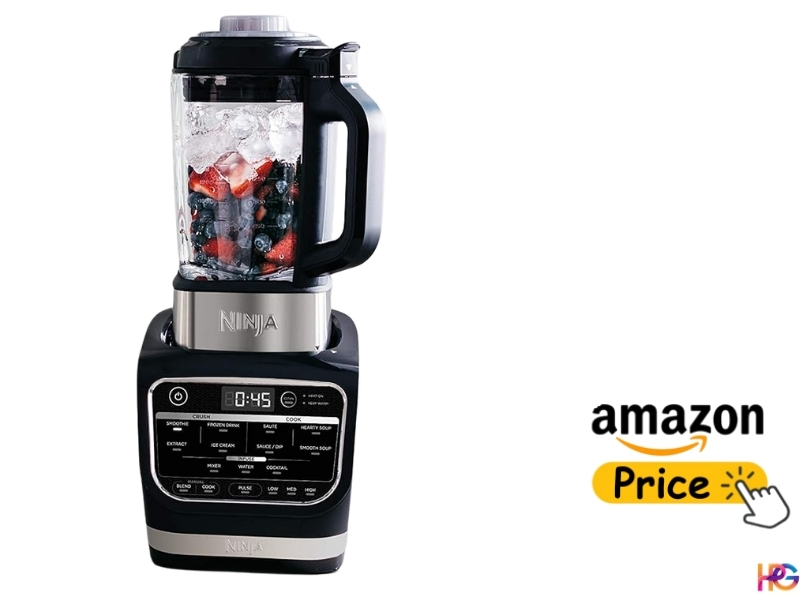
Real-World Performance:
This tool takes a different path. It has a real heater built right into the bottom base. It is best used for making whole meals from scratch in one pot. You can cook onions right inside the main glass jar. Then you add cold broth and boil it hot.
It performs well for thick, heavy stews. You can keep things chunky if you want. Where does it struggle? It is very hard to wash. The heater is glued to the bottom of the glass. You cannot put the whole jar deep in the sink water.
Key Details:
- Size: It uses a heavy 64-ounce glass jar.
- Performance: It uses a 1400-watt motor and an 800-watt heater.
- Ease of Use: Smart buttons do all the hard work for you.
Pros and Cons Table:
| Pros | Cons |
| Real heater lets you cook raw meat first before mixing. | The thick glass jar is very heavy for you to lift. |
| Thick glass does not hold bad smells like strong garlic. | You must wash it by hand with great care to avoid water. |
| Smart preset buttons let you walk away to do other chores. | The digital screen uses a wild amount of standby power. |
Oster Versa Pro Series
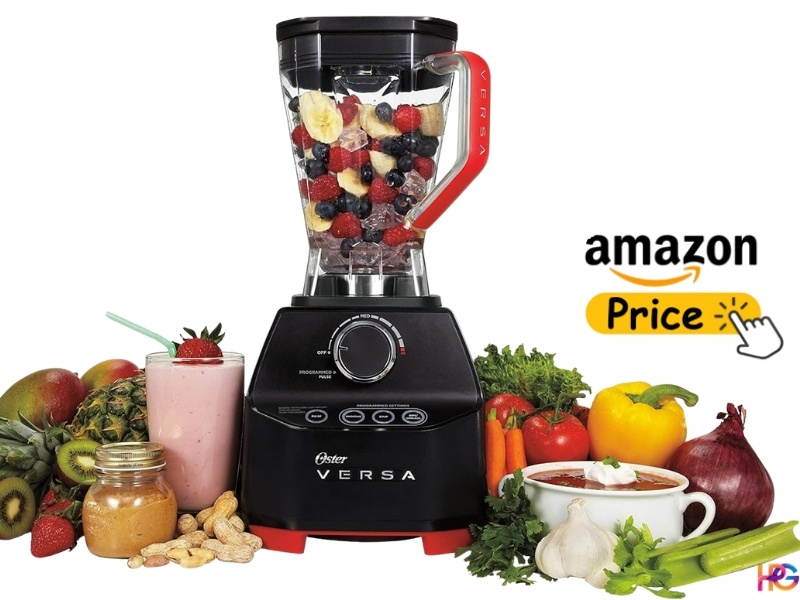
Real-World Performance:
This is a great mid-range pick for your home. This option works best for anyone who wants smooth soup on a smaller budget. It handles soft, cooked ingredients well, blending hot broth and roasted carrots with ease.
Where does it struggle? It gets far too hot if you push it hard. You cannot run it for six straight minutes to make friction heat. The motor will trip its main safety switch. It will shut completely down to keep from catching on fire.
Key Details:
- Size: The short 64-ounce plastic jar fits right under shelves.
- Performance: It features a 1400-watt motor with metal gears.
- Ease of Use: It has a simple speed dial and three fast modes.
Pros and Cons Table:
| Pros | Cons |
| Strong metal gears last much longer than cheap plastic parts. | Motor gets too hot and shuts down on very long runs. |
| Short jar design fits in tight kitchen spaces with ease. | The plastic push stick is slightly too short to reach deep. |
| Motor spins fast enough to make very smooth cream soups. | The light base moves around on the counter at top speed. |
Testing and Research Facts
How did I check these kitchen tools? I do not trust the boxes or the ads. I look closely at the parts most folks miss. Real testing means looking at the main drive socket. This is the strong part that connects the motor base to the blade assembly. Thick, hot liquids put great stress on this one part.
I look mainly for metal gears. Plastic gears strip out and melt fast under heat. If you have ever used a simple multimeter to fix a broken tool in your home, you know this fact well. Metal parts are a hard must for long life.
I also look at how the top lids let steam out. A good soup maker must have a safe vent path. It must let hot steam escape but keep the liquid locked in. Lastly, I look at the jars. Heavy glass does not trap bad smells. Clear plastic is nice and light but might get dull scratches over time.
Performance Comparison Facts
Let us look at how they stack up against each other in the real world.
Motor Power and Heat
Top machines use sheer blade speed to make heat. They spin at very high rates of speed. The fast friction boils the cold water. This process takes about six minutes. Machines with heaters boil soup just like a teapot. They use the moving blades only to chop the food up.
Smooth Mixes
Making smooth textures takes raw motor power. Cheap machines leave soup feeling quite gritty. High-end tools break plant cell walls wide open. They make a rich, thick cream base. You do not even need to push the soup through a wire strainer.
Safe Run Times
Hot, thick soup pulls hard on a weak motor. Cheap units smell like burning wire after just two minutes. Good machines have strong cooling fans built inside. They can take the hard strain without melting down.
Time, Effort, and Setup Reality
Let us talk honestly about what it takes to use these items every single day.
The Setup Time
Setup time is fast, but you must be very careful. You must learn to start the motor speed on low. If you start on high speed, hot soup will fly right out the top vent. That will burn your bare hand badly.
The Learning Curve
The main learning curve is mostly about the top lid. You must lock it down tight. You must leave the center plug slightly loose to let the hot steam out.
Daily Usage Effort
Daily effort comes down to pure weight. Glass jars are heavy on their own. A thick glass jar full of hot soup is quite hard to pour. Plastic jars are much lighter and far easier to use for most folks.
The Wash Up
Cleaning up can ruin your whole night. Thick cheese soup sticks hard to the blades. Units with glued-in blades are tough to scrub clean. Good brands give you a fast wash mode. You just add hot water and a drop of dish soap. You turn it on high speed for one minute. It scrubs itself fully clean.
Real Downsides to Accept
I must be very honest about the bad parts of these tools. They are not all perfect.
The biggest flaw of all is the loud noise. Using blade speed to heat raw veggies is extremely loud. You must run the strong motor on high for six whole minutes. It sounds exactly like a jet plane inside your house. It hurts your ears to stand near it.
Another big trade-off is the vampire power draw. Modern touch screens and smart sensors stay on all day and night. These smart machines use a wild amount of standby power when left plugged into the wall. You must pull the plug out to save cash on your power bill. Old dials are much better for saving power.
Lastly, the active heating models are a big pain to wash. You cannot get the main base wet at all. There is no perfect tool. You must choose what type of pain you can live with.
Who It Is For (and Not For)
Best for:
- Folks who want fast, smooth soup without turning on a hot stove.
- Home bakers who want a warm bowl of fresh soup to eat with a slice of thick sourdough bread.
- People who strongly hate washing pots and pans after they cook.
Not ideal for:
- People living in small homes with thin walls. The loud noise is far too much.
- Folks who like chunky, thick stews. These blenders crush things to a pure, smooth paste.
- Folks who cannot lift heavy things. Some of these thick glass jars weigh a whole lot.
Smart Buying Guidance
What really happens when you try to go cheap? With lower-quality models, you often end up with weak plastic gears, underpowered motors that wear out quickly, and tight lids that trap hot steam inside. Your cheap machine will likely choke on thick, heavy soup. The motor might even start to smoke.
When does spending more cash make sense? It makes sense if you blend food a lot. More cash gets you strong metal gears. It gets you big cooling fans. It buys you thick blades that never break.
Cheap models use razor sharp blades. They get dull very fast. Good models use thick, blunt blades. They smash the food with pure force. A dull blade works just as well in year five as it did on day one. You are buying pure peace of mind. You know the machine will not burst when full of hot soup.
Final Verdict to Choose
So, which one should you take home today?
What is the safest pick? Buy the Vitamix 5200. Built like a tank, it features sturdy physical switches, draws no power when turned off, and is designed to last for years while delivering the smoothest texture among all the tools tested.
What if you want it to cook for you? Pick the Ninja Foodi Cold & Hot. It boils cold food right in the main jar. It does the hard work. But you must be totally okay with washing a heavy jar by hand every time.
What trade-offs are totally unavoidable? You must choose between loud noise and hard washing. Friction heat is loud but easy to clean. Built-in heaters are quiet but hard to wash. You cannot have both at once. Do not buy cheap tools for hot liquids. A burst jar of hot soup is a fast trip to the hospital. Choose safe, strong parts over cheap plastic every single time.
Frequently Asked Questions
Can you put hot liquid in any blender?
No. Most jars may crack. You need a soup blender with a vent. This lets steam out. Check that yours is safe. It keeps you and your kitchen dry.
Does the Vitamix 5200 heat up the soup?
Yes. This unit spins fast to make heat. Its blades turn cold food into hot soup in six minutes. It works well and saves time. Read more to see it in action!
Is a glass jar better for hot soup?
Glass is great. It will not hold smells or stains. Brands like Ninja use thick glass jars. They are heavy but safe. See why glass might be your best bet today!
What is a friction-heating blender?
It uses fast blade speed. The blades spin to heat the food. You do not need a stove. It is a quick way to cook. Find out if this tech is right for your home now!
Can I blend soup in a cheap machine?
Be careful. Cheap jars can break from heat. Strong motors are a must for thick soup. A good best blender for hot soup keeps you safe. Look at our top picks to save!