
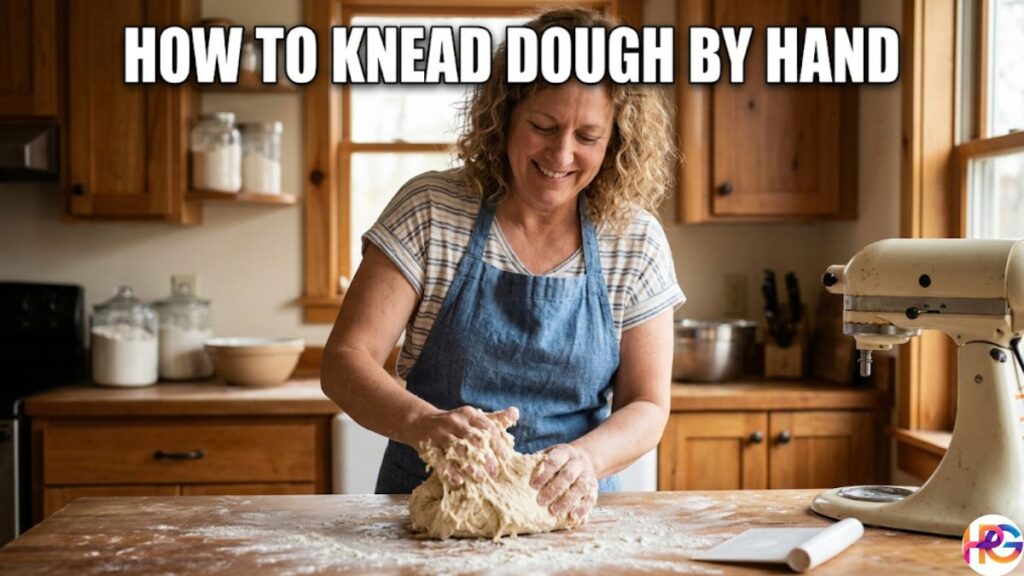
How to Knead Dough by Hand
Why I Choose to Mix My Bread Manually
Let me take you back to a warm morning here in Alabama. The year is 2026, and the heat is already high. The house power went off right when I started to bake. This is a wild but normal event in my town. My heavy metal stand mixer sat useless on the cool counter. My kid was hungry and asked for fresh warm rolls. A big bowl of wet yeast and flour sat ready. I had to figure out how to knead dough by hand very fast.
It was a huge messy shock at first. Sticky wet flour coated my palms and fingers thick. Feeling like I was fighting a monster made of glue was not fun. Yet, that hot morning taught me a vital lesson. True baking requires you to learn the feel of a good mix. You can actually sense the tight web form under your skin. Machines hide this raw magic from us completely. Today, manual mixing wins over my dead power tools. Sharing my honest steps with you is my goal today. No fake advice will be found here, just real facts from my own home.
Getting Ready: Tools and Prep
You do not need fancy expensive gear to start. Your own bare hands are the absolute best tools available. A flat, clean counter is a strict must for success. Wood or hard stone works very well for this pushing task. Buying a cheap plastic dough scraper is a great idea. It helps lift sticky wet bits off the table edge fast. Keeping a small bowl of warm tap water near your side helps too.
Please do not buy costly silicone baking mats. Clearing your space and wiping it down is enough. Wash your hands well with basic dish soap. Taking off your rings and loose watches is very smart. Metal rings will trap wet paste and turn rock hard later. Ruining a silver ring that way last year taught me a hard lesson. Keep things simple, clean, and ready for real work.
Setting Up Your Work Area
Dust your clean counter with a tiny bit of white flour. Do not use too much dry dust right at the start. Extra flour makes the final baked bread taste dry and flat. A light thin cover over the board is perfectly fine. Dump your messy mass out of the metal mixing bowl. Looking ugly, wet, and quite rough is normal at this stage. Stop worrying about the ugly look right now. The mix will get smooth and nice very soon.
Step-by-Step: How to Knead Bread by Hand
This part is where the real physical fun starts. Stand with your feet flat on the hard kitchen floor. Use your whole core body weight to push down firm. Relying just on your thin arms is a bad choice. Your elbows and shoulders will get sore fast.
First, grab the far top edge of the flour pile. Fold it down over itself towards your soft belly. Push it away firm with the thick base of your palm. Roll it back into a loose fat round ball. Give the whole mass a small quarter turn to the right side.
Repeat this exact same motion over and over again. Fold it down, push it away, roll, and turn. Trying to find a steady and slow rhythm helps a lot. Moving feels a lot like a calm silent dance. The wet mass will stick to your warm skin hard. Let it stick and stay super messy for a bit. Avoid dumping cups of dry flour on the board. Keep moving your hands in that smooth circle. Dry flour bits will drink the extra water soon. That sticky gross mess will turn smooth before long. Soon it shapes into a soft bouncy nice ball.
How Long Does It Take to Knead Dough by Hand?
Almost every new baker asks this big common question. The clear answer depends a lot on your arm speed. Recipe choices also change the total time you spend working. Basic white sandwich bread takes ten to twelve minutes. Whole wheat grain takes a few extra hard minutes to smooth out.
Sourdough is a very different type of game entirely. Wild sourdough gets stretched and folded over several long hours.
A Simple Time Guide
Here is a plain data table I use for my home bakes. Taping this sheet flat inside my wood cabinet saves me time.
| Dough Type | Average Hand Kneading Time | Final Texture Goal |
| Basic White Loaf | 10 to 12 minutes | Smooth and soft |
| Wild Sourdough | 4 sets over 2 hours | Bouncy and airy |
| Fresh Pizza Crust | 8 to 10 minutes | Stretchy and tight |
| Tough Bagel Mix | 15 to 20 minutes | Very stiff and firm |
Trying the Windowpane Test
How do you know when the hard job is fully done? Use the classic windowpane test to check the tight gluten. Pinch off a tiny piece of your smooth soft ball. Pull it out wide gently with your thumbs and fingers. Try to make a thin flat square shape in the air.
Hold it up flat to a bright warm light bulb. Can you see bright light pass through it cleanly? Holding together without a fast tear means success. You are completely done mixing if it passes. Ripping fast into pieces means you must keep pushing and folding.
Making Dinner: How to Knead Pizza Dough
Friday night is always pizza night for my hungry kid. Learning how to knead pizza dough changed our fast meal routine. Good pizza needs a very strong tight stretchy web. A crust that can pull very thin is the main goal. It needs pure power to hold heavy hot cheese and thick sauce.
Starting with a high protein white flour mix helps. Stirring it up forms a loose wet ugly ball. Then the whole process gets loud and quite rough. Slapping it down hard on the wood counter feels great. Folding it takes a lot of force and speed. Pizza mixes can take a solid beating without breaking apart.
Making the Pizza Crust Perfect
Working the mass takes about ten solid heavy minutes. Watching closely reveals a smooth pale skin on the outside edge. Poking it hard should make the dough pop back up fast. Letting it sleep is the next step once it gets soft. Resting helps relax the tight stressed stiff gluten bands. This long rest makes it very easy to stretch flat for baking later.
Learning How Long to Knead Bagel Dough by Hand
Bagels are always my hardest physical kitchen challenge to face. Added water amounts are very low in this specific mix. This lack of water makes the whole mix stiff as dry clay. Figuring out how long to knead bagel dough by hand took extra time. Sad bad errors happened a lot during my first few tries. My arms ache deep just thinking about the tough process.
Finishing takes about fifteen to twenty minutes of heavy hard labor. Forcing the dry white dust to drink the tiny bit of water is tough. Leaning far over my low wood counter gives me leverage. My heavy chest weight helps to press down hard on the mass. Giving up early or quitting on the job is a mistake. A short quick mix makes a flat, sad, bad round bagel. That tight, dense, thick, chewy bite requires real hard work.
Kneading Dough in Stand Mixer vs Hand
Let us talk about modern fast kitchen machines right now. Loving my electric gear very much is an absolute fact. Running a site fixing home tools is my actual day job. Kneading dough in stand mixer saves a huge chunk of time. Heavy metal machines can finish the mix in five fast minutes. That same exact job takes me fifteen long minutes by bare hand.
Yet, smart electric machines truly lack basic common sense. Loud mixers will never tell you if the mix is too dry. Spinning round and round blind is all they know how to do. Beating the soft gluten way too much happens often. Baked bread turns out tough, dry, and super hard. Manual mixing gives you full total control of the entire batch. Feeling every single change in the wet moisture is a huge plus.
Which Method Really Wins?
Being in a frantic rush means I grab the machine. Testing a wild sourdough boule in my air fryer means using my bare hands. Yes, baking fresh round bread in a small air fryer is fun. It is a wild test that actually works super well.
Manual work lets me fix tiny bad mistakes super fast. Feeling the dry hard spots right away saves the loaf. Adding a tiny drop of fresh water fixes the dry spots. Electric machines just grind away loud and blind to the end.
Fixing Errors When You Knead to Dough
Things go wrong in the hot kitchen a lot. Flat solid bricks came out of my oven instead of soft bread before. Panicking loud when your wet mix feels wrong helps nothing. Waiting one full minute is smart if the dough is way too wet. Letting the raw flour sit helps it drink up the wet mess. Dumping a full heavy cup of dry flour on top is a huge mistake.
Wetting your bare hands fixes a mix that is way too dry. Flicking a few small drops of warm water on the wood board helps. Working the new water in slow and steady is the trick. Calm patience is your very best kitchen friend right here. Baking real food teaches you how to wait calm and still.
Getting Past the Sticky Phase
Every new fresh baker hates the early gross sticky phase. Clean hands get covered in thick wet grey goo fast. Running away to wash them off fast is very tempting. Stopping now is a bad idea. Folding the lump more will fix the sticky problem.
Tight masses will clean your raw hands as they get smooth. Acting just like a huge soft rubber eraser, the ball pulls the goo off. Trusting the slow process and keeping the pushing rhythm is key.
Sharing Fresh Bread with Good Friends
Just last month, a good old friend came to my house. Living right down the street here in Alabama makes visits easy. Bringing his dead black Samsung microwave over gave me a fun project. Fixing broken home gear in my spare time is a hobby I love. The small plastic door latch was stuck and totally broken.
Taking the metal case apart made us both very hungry. A big batch of fresh dough rested on the counter nearby. Standing there and talking was fun while I shaped the soft rolls. Showing him how to tuck the edges tight was a neat lesson. Baking them up crisp let us eat them hot with salted butter. Fixing his machine and having a great cheap meal was perfect. That is the true hidden magic of making your own food.
Final Thoughts on Handmade Bread
Hoping my real home stories help you learn today is my goal. Making fresh warm bread is a deep pure joy for me. Connecting us tight to basic simple human food is important. Your clean bright kitchen will get very messy and loud. Sore arms will get tired and heavy after a few long minutes. The sweet thick smell of hot bread is worth all the pain.
Starting with a small basic recipe today is a smart move. Trying a simple plain white loaf your very first time builds skill. Feeling the cool changes shift under your flat palms is amazing. Soon, needing a clock to check the time will stop. Smart hands will know exactly when the food is ready to rest. Have a very happy and fun time baking.
FAQS:
Is kneading dough in a stand mixer faster than by hand?
A good mixer takes five minutes to finish. This tool saves time and stops arm pain. It makes big kitchen jobs very easy for any home cook.
Where should I store my heavy kitchen tools?
Do not store your tools in hot spots. High heat thins the grease inside. This leak can ruin the motor or drip into your food. Keep it cool.
What is the best way to clean flour off my tools?
Use cold water and a plastic scraper. Hot water turns flour into glue. Clean tools last longer and keep your workspace safe. Use a dry cloth.
Which mixer brand handles stiff dough the best?
A KitchenAid is great for soft bread. A Bosch handles stiff dough well. Look for metal gears and a strong motor for better tool life and power.
Can my kitchen tools waste power while turned off?
Yes, tools use tiny bits of power while plugged in. Pulling the cord saves money and keeps your gear safe from power surges. It is a smart habit.