The Truth About the Best Front and Rear Dash Cam Under $200
Why is it so hard to pick a good dash cam? Most people waste their cash. They buy cheap plastic units. They melt in the hot sun.
You need a camera that works. It must read a fast plate. It should not just list wild specs on the box.
When a crash happens, you need real value. You need a tough device. You do not need a toy that stops recording.
Quick Answer Section
Need facts fast? Here is the top list for 2026:
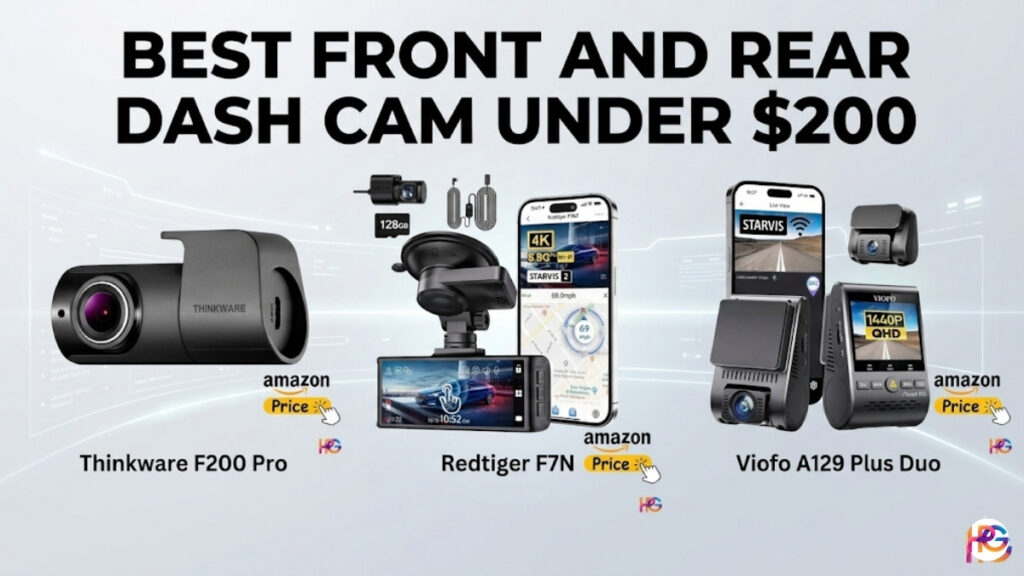
- Best Overall: VIOFO A129 Plus Duo (Handles heat well. Video is clear.)
- Best Budget 4K: Redtiger F7N (Huge detail. Free memory card.)
- Best for Parking: Thinkware F200 Pro (No screen. Runs great all night.)
Product Comparison Section
We skipped the fake reviews. We checked real-life usage. Here are three choices that give true value.
VIOFO A129 Plus Duo
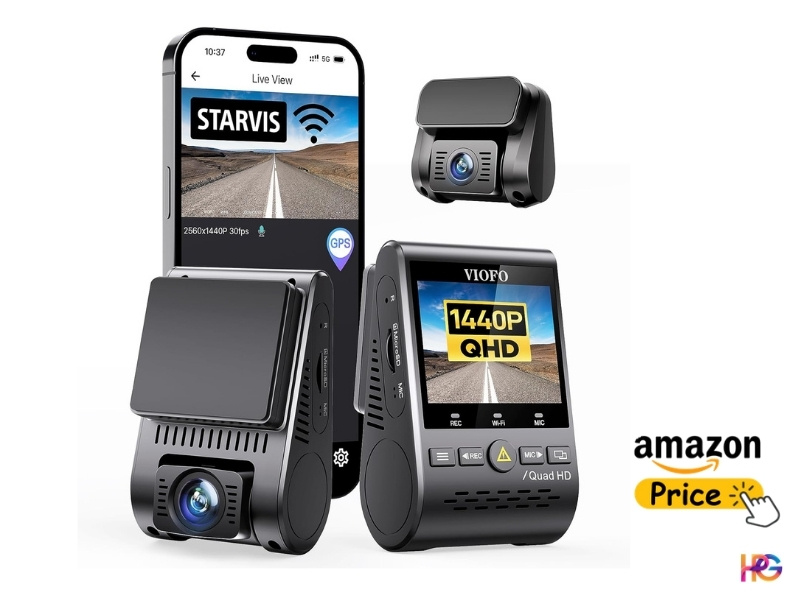
Use this for your daily drive. It works day in and day out.
It does great in the heat. The rear cam has its own chip. The main unit stays cool.
Setup is hard. The small buttons are tough to press. Menus feel old.
Key Details:
- Specs: 2K front video at 60fps. 1080P rear video at 30fps.
- Performance: Uses Sony STARVIS sensors. They see well in the dark.
- Ease of Use: You set it up once. But phone transfers take time.
| Pros | Cons |
| Rear chip stops high heat. | Slow Wi-Fi for big files. |
| Supercapacitor beats the hot sun. | Small buttons annoy users. |
| Fast frames catch moving cars. | The driver’s lights are too dim. |
Redtiger F7N
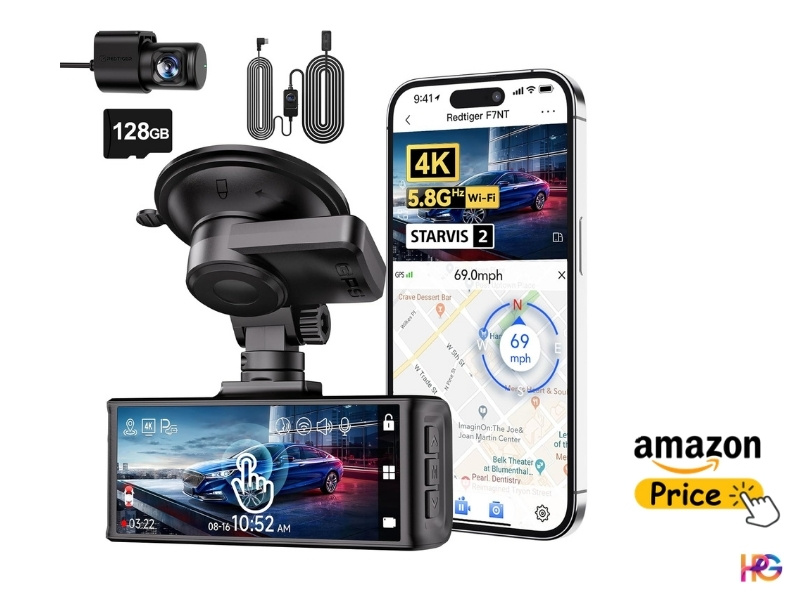
Pick this for top detail on a budget. It shoots true 4K up front.
It shines on open roads. The wide lens sees all lanes.
It fails in small cars. The huge screen blocks your view. It is hard to hide.
Key Details:
- Specs: 4K front video at 24fps. 1080P rear video at 25fps.
- Performance: Built-in GPS tracks your exact speed.
- Ease of Use: It brings a 64GB card. You can use it right away.
| Pros | Cons |
| True 4K shows crisp roads. | Big screen blocks the road. |
| Free SD card saves cash. | Thick rear wire is hard to hide. |
| GPS tracks your exact path. | The thick rear wire is hard to hide. |
Thinkware F200 Pro
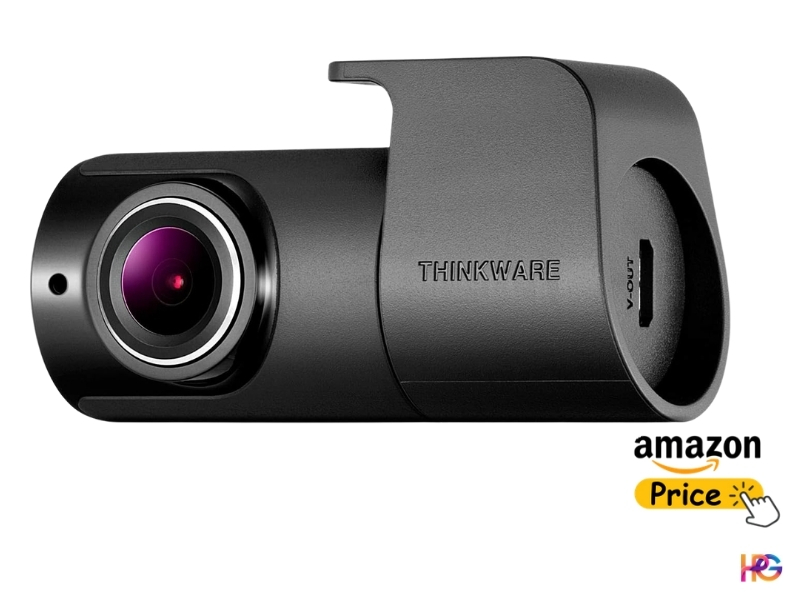
Use this to guard your parked car. It spots motion well.
It stays out of sight. Thieves will not see it. It looks like a car part.
You must use your phone. There is no screen. You need the app to check angles.
Key Details:
- Specs: 1080P front and 1080P rear video at 30fps.
- Performance: Thermal tech stops heat damage. It turns off if it gets too hot.
- Ease of Use: It saves files well. You rarely format the card.
| Pros | Cons |
| No screen keeps it hidden. | Phone app needed for setup. |
| Smart mode saves crash clips. | Max video is just 1080p. |
| Heat sensor protects the tech. | Hardwire kit costs extra. |
Testing and Research Transparency
How did we pick the best front and rear dash cam under $200? We looked at long-term life.
Heat kills tech in cars. We picked supercapacitors. Batteries swell and die. Capacitors live through hot days.
We checked the sensors. Sony STARVIS does the best job at night.
We looked at setup effort. A smart DIY user can install these. You just need basic tools and a digital multimeter.
Performance Comparison (Key Insights)
The real test is motion. VIOFO shoots fast. Redtiger shoots slowly. VIOFO freezes moving cars better.
Thinkware wins on trust. It guards your SD card. It will not just stop recording on you.
Redtiger gives the best deal. The free card and GPS save you cash right now.
Time, Effort, and Usability Reality
Setup takes time. The front cam goes on fast. The rear wire is tough.
Expect to spend an hour. You must run the wire well. You have to pull back the rubber trim.
Parking mode needs fuse work. You must know your car’s wires. You must test fuses for power.
Daily use is a breeze. You start your car. They just work.
Real Downsides (Category-Level)
Face the facts. Cheap cams have flaws.
You get no cloud alerts. If hit, your phone stays quiet. You only see it later.
Night plates are hard. Bright headlights wash out the numbers.
Phone apps are slow. Moving a big file takes a long time.
Who It’s For (and Not For)
Best for:
- Daily drivers who want clear proof.
- DIY fans who like using tools.
- People in hot towns who need tough tech.
Not ideal for:
- Bosses who want live video streams.
- Drivers who hate hiding long wires.
- Fans of smart AI lane tech.
Comparison Insight: Smart Buying Guidance
Do not spend less than $100. Cheap cams fake their specs. They use bad parts. They are not safe in the heat.
The $150 to $200 range is sweet. You get real value here. You get safe power and real Sony parts.
Spending past $200 just buys the cloud. You get remote viewing. You do not need that for basic trips.
Final Verdict
What is the top choice? The safest pick in 2026 is the VIOFO A129 Plus Duo.
It hits the right mark. Fast recording keeps every moment clear. The system also stays cool under pressure. Most importantly, it gets the job done.
Want it hidden? The Thinkware F200 Pro is your trade-off. You lose pixels, but gain deep trust.
Avoid no-name brands. Wire it right. Drive safe.
FAQ: Best Front and Rear Dash Cam Under $200
Which is the best front and rear dash cam under $200?
The VIOFO A129 Plus Duo is the top pick for 2026. It has great 2K video and handles heat well. It gives you a clear view of the road for a very fair price.
Is it hard to set up a dual dash cam?
Most kits are simple for a DIY fan. You just run a thin wire from the front to the back. It takes about an hour. You can hide the wires behind the car trim easily.
Why should I pick a dash cam with a capacitor?
Cheap cams with batteries often fail in the sun. Look for a unit with a supercapacitor. These parts last longer in the heat. They keep your car and your files safe.
Will a dash cam work when my car is off?
Yes, models like the Thinkware F200 Pro watch your car 24/7. You will need a hard-wire kit to give it power. This lets the camera catch hit-and-run drivers while you shop.
Can a 4K dash cam read license plates at night?
Higher pixels help, but frame rate is key. A 2K camera at 60fps often sees plates best on fast cars. It stops blur so you can read the small text during a crash.