The Real Truth About Gas Grill Flavorizer Bars
A Scary Day In Austin, Texas
It was a hot day last July in Austin. Friends came over for a big yard party. I promised them my sweet pulled pork. The smell of wood smoke makes me happy. That day went wrong very fast.
I turned on my grill to warm it up. Soon, a huge grease fire shot up high. Bad black smoke poured out from the lid. The air smelled like old burnt oil. My neighbor peeked over the fence to check.
Panic set in as the bright flames grew. I quickly turned off the gas knobs. Next, I grabbed my red fire tool just in case. Luckily, the hot flames died down fast. I took a deep breath to calm down.
Many folks read my blog for food tips. Today, we must pause the fun cooking talk. We really need to discuss grill parts instead. That fire was a giant wake-up call. The main problem hid under my grates.
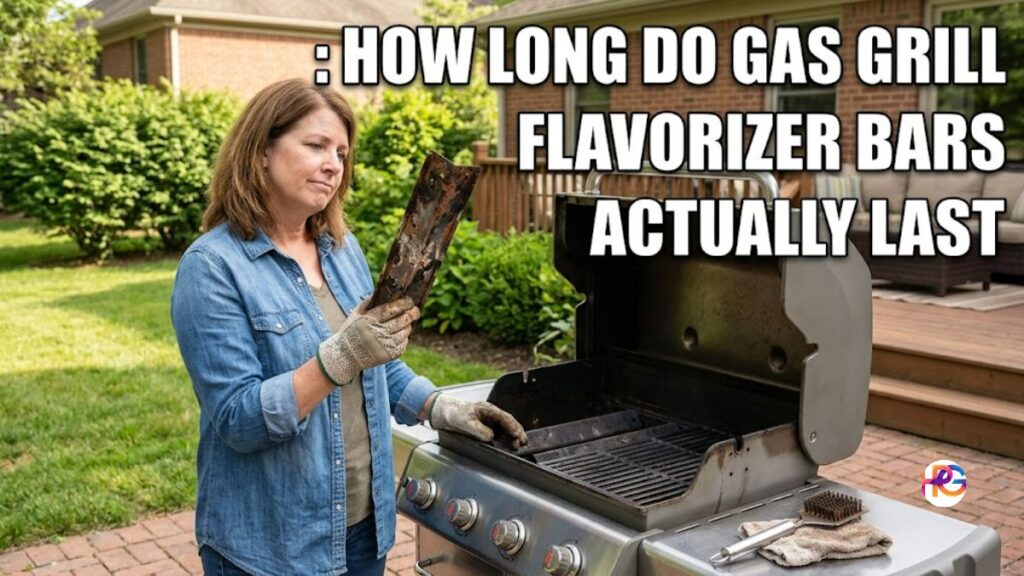
My gas grill flavorizer bars had broken apart. They looked like crushed rusty tin cans. I knew I had ignored them too long. Now, I want to share what I learned. This clear guide will save your next cookout.
What Do Gas Grill Flavorizer Bars Do?
Some folks call them handy heat tents. Other people call them strong burner shields. These bent metal pieces sit over the tubes. Their daily job is quite complex and key. They do much more than just look nice.
They Protect Your Burners
First, they keep your burner tubes safe. Hot dripping fat can clog the tiny holes. Blocked tubes mean bad heat and cold food. These shields catch the sticky mess right away. They stop the grease before it does harm.
They Stop Big Grease Fires
Second, they stop wild and scary fireballs. You already read my bad story from Texas. Hot fat catches fire when it hits a flame. The sharp slope of these bars helps a lot. Grease simply rolls off and away from heat.
They add a great smoky taste
Third, they create an amazing taste for your meat. This is where their neat name comes from. Meat juices hit the hot metal and steam. That wet vapor floats back up into the food. It gives your pork that classic smoke taste.
Picking The Right Grill Materials
I faced a hard choice when buying parts. The local shop sold a few nice options. You basically choose between two main paths. You can save cash now or save cash later. Let me break down the facts for you.
A Quick Look At Material Types
| Material Type | How Long Does It Last | The Good | The Bad |
| Coated Steel | 3 to 5 Years | Cheap cost | Chips fast |
| Base Stainless | 5 to 7 Years | Fights rust | Can bend |
| Thick Stainless | 8 to 10 Plus Years | Very tough | Costs more |
I bought the cheap coated ones years ago. They honestly seemed like a smart deal then. The smooth, black, shiny coat makes cleaning easy. Trouble started when I scrubbed them too hard. My stiff wire brush chipped the outer shell.
Once the bare steel faced the wet air, it failed. The orange rust took over the metal fast. Now, I only buy thick stainless steel parts. They cost twice as much at the start. However, they last much longer in the end.
They handle high heat without bending at all. They also fight off bad rust very well. Over the long life of your grill, they win. Strong stainless steel is the best smart choice. You will not have to shop as often.
Clear Signs You Need New Heat Tents
Knowing when to buy parts can be hard. You never want to throw away perfectly good metal, but you also do not want to create a fire hazard. That is why it is important to inspect your equipment regularly and keep an eye on the condition of its parts. Let me share the warning signs to watch.
Surface rust is totally normal on used parts. Do not fret if they turn a dull brown. That color shift happens after a few hot cooks. Intense heat simply bakes the metal over time. Baked on grease looks ugly, but does no harm.
Watch Out For Big Holes
Look closely for actual holes in the steel. If you see the tube below, it is bad. A wide crack means the shield is dead. Hot fire and sour sauce will eat metal. Once a hole forms, the part is useless.
Look For Peeling Metal
Watch out for thick layers of peeling flakes. If big chunks of metal fall off, beware. The same goes for chunks of black paint. Those dirty flakes will drop into your clean tubes. They might even float up into your fresh food.
Check For Bent Shapes
Pay close attention to the shape of them. The parts must have a sharp V design. Constant heat and quick cold make cheap parts bend. If they look flat, they will not work. Bent bars cannot push heat across the grill.
My Simple Cleaning Routine
Nobody likes spending cash on extra parts. I learned my lesson the hard and scary way. Now, I use a strict routine to clean parts. It takes very little time to do it right. The great results are worth the small work.
Scrape Them Off Gently
I scrape them down after big meals. I always wait for the grill to get cold. Then, I grab a flat plastic hand tool. I gently push the heavy grease chunks off. I avoid harsh metal wire brushes these days.
Keep Them Out Of The Wash
I never use the kitchen washing machine. My good friend in Dallas ruined a set this way. Harsh dish soap and long soaking ruins metal. It strips away any nice safe coat very fast. Warm water and mild soap are all you need.
Move Them Around Often
I move their spots around twice a year. The parts sitting dead center get the hottest. They wear out much faster than side parts. Moving them ensures they all age the same. Think of it like swapping tires on your car.
Tools You Need For Basic Grill Care
You do not need a fancy tool kit. A few cheap items will do the trick fine. I keep all my tools in a small bucket. They stay dry and ready for action outdoors. Having them close by makes the chore easy.
A good plastic putty knife is my favorite tool. It costs less than five bucks at the store. It will never scratch your nice metal parts. A roll of thick paper towels is also key. You need them to wipe off loose wet grease.
I also keep a pair of thick rubber gloves. Old grease is very gross and hard to wash. The gloves keep my hands clean and safe. A small trash bag is the last handy item. It catches the mess so my yard stays clean.
Why Good Maintenance Saves You Money
Times are tough and gear is very costly. Taking care of your grill saves real money. Cheap parts fail fast if you ignore them. You end up buying new ones every single year. That adds up to a large bill quickly.
A clean grill also uses less fuel overall. Blocked tubes make the gas work much harder. You will drain your gas tank much faster. Clean parts let the heat flow freely and well. You save cash on extra gas refills this way.
How To Find The Right Size
The sad day will come to buy new gear. You really must be careful when shopping online. Buying the wrong size will cause a big headache. You cannot just guess the numbers and hope. Exact sizing is a very big deal here.
Always check your thick paper manual first. It lists the exact part number you truly need. If you lost the book, look behind the grill. A metal tag shows the specific model number. Type that special number into the brand site.
Measuring your old parts is the next step. Take one out and grab a long tape measure. Write down the exact length and width carefully. Even a tiny small mistake ruins everything entirely. Wrong sizes will not sit firmly in the hot box.
My Final Thoughts On Grill Care
Taking care of your gas grill flavorizer bars is dull. It is far too easy to ignore them entirely. They hide deep down in the dark belly. I ignored mine and it almost ruined a party. Do not make the exact same mistake I made.
Do yourself a huge favor this very weekend. Pop the heavy grates off before you cook. Take a long hard look at those metal shields. Give them a quick scrape if they need help. If they look bad, go order some fresh ones.
Your weekend food will taste so much better. Your cozy back yard will be much safer too. Cooking should be fun, not a serious fire risk. Keep your gear clean and enjoy the neat results. Happy grilling to all of my great blog readers!
Frequently Asked Questions
Q1: What are the best tools to clean gas grill flavorizer bars safely?
A basic plastic putty knife is the best tool to scrape away baked-on grease. It removes thick carbon flakes easily without scratching or chipping the protective metal coating.
Q2: Can I use a wire brush on Weber porcelain gas grill flavorizer bars?
Avoid stiff wire brushes on porcelain-coated bars. Heavy scraping chips the slick outer coat. That exposes bare steel to damp air, which makes the metal rust out very fast.
Q3: How do I measure my heat shields to buy the right replacement parts?
Pull one cool bar out and use a standard tape measure. Note the exact length and width down to the fraction. Even a small half-inch mistake means the new bars will wobble.
Q4: Will heavy-duty stainless steel burner covers warp in hot summer garages?
Thick stainless steel handles high heat and garage storage easily. It resists deep rust and maintains its shape. The tough metal ensures long durability through cold winters and hot summers.
Q5: Why is my gas grill getting huge fire flare-ups during backyard cookouts?
Your gas grill flavorizer bars might have deep holes or severe grease buildup. When shields fail, hot fat drops straight into the open flames. Clean them often to keep your cooking safe.