Why My Gas Grill Smells Like Gas When Turned Off (And What I Did)
That Scary Summer Afternoon In Austin
It was a sunny Saturday in Austin. I wanted to cook some burgers for my family. The Texas sun was very hot that day. I walked out to my wooden patio to get things ready. A strange scent hit my nose right away. It smelled exactly like rotten eggs. I felt a quick wave of fear.
You see, a gas grill smells like gas only when you use it. My unit was completely shut down. I checked the front knobs immediately. They were all in the off position. My heart started to beat a little faster. I knew something was wrong. Gas leaks are not a joke. They can start a very bad fire. I had to stay calm and think.
Is This A Normal Thing To Smell?
Many people ask if this scent is normal. The short answer is absolutely no. You should never smell fuel when the system is resting. Propane and natural gas are actually invisible. They also have no real smell on their own.
Gas companies add a special chemical called mercaptan. This chemical smells like sulfur or bad eggs. It serves as an early warning sign for humans. If your gas grill smells like gas, fuel is escaping. The pressure is pushing it out of a tiny hole somewhere. This means you have an active leak. Do not ignore this clear warning. I knew I could not just walk away. I had to find the source.
What Does Propane Actually Smell Like?
Some folks get confused by outdoor smells. They might think a bad smell is just trash. Or maybe a dead animal under the deck. Propane is very specific. It smells like a skunk to some people. Others say it smells like boiled cabbage.
To me, it smells just like old, rotten eggs. This bad smell forces you to pay attention. It is a very good safety feature. If you smell eggs near your patio, trust your nose. Act quickly to find the problem.
The Most Common Causes For A Leak
I started to research why this happens. I found a few main reasons. These parts often wear out over time due to weather.
The Main Tank Valve Was Left Open
This is a very common mistake. We turn off the main burners but forget the heavy tank. I always try to close the main valve first. Sometimes I forget or get distracted by guests. If the valve stays open, pressure builds up in the rubber hose. Even a tiny gap in a burner valve will let fuel slip out. This will make your patio smell very bad over time.
Burner Knobs Are Not Fully Closed
You might bump a knob by accident while cleaning. Kids can also twist them while playing in the yard. A slightly open knob will leak fuel. Always check that every single knob clicks into place. I pushed all my knobs in to be sure. They were completely off. So, my problem was something else entirely.
A Cracked Or Old Rubber Hose
Weather can destroy rubber parts very quickly. Heat and cold make the hose expand and shrink. Over time, tiny cracks start to form on the surface. Bugs and mice also like to chew on soft rubber. A cracked line is very dangerous. It is a major reason why a gas grill smells like gas. I checked my line with my hands. It felt a bit dry and stiff.
The Regulator Went Bad
The regulator controls the flow of fuel. It connects directly to the heavy propane tank. Inside this metal part, there is a small rubber ring. People call it an O-ring seal. This ring dries out and falls apart over time. When the ring fails, the seal breaks. Gas will leak right at the connection point.
The Connection At The Grill Manifold
There is another spot that can leak. It is where the hose meets the main metal body. People call this area the manifold. Sometimes this metal joint gets loose over the years. Moving the unit around the yard can shake it loose. I gently wiggled my connection. It felt solid and tight. This told me the problem was more serious up the line.
How I Found My Leak Safely
I needed to test my whole system. I did not use a lighter or a match. That is extremely dangerous. You could start a huge fire and get hurt. Instead, I used a very simple trick I learned online.
The Soap And Water Trick
This method is cheap and easy to do. You only need liquid dish soap and plain water. I mixed them in a small plastic spray bottle. You can also use a small bowl and a soft sponge. The soapy mix needs to be very bubbly.
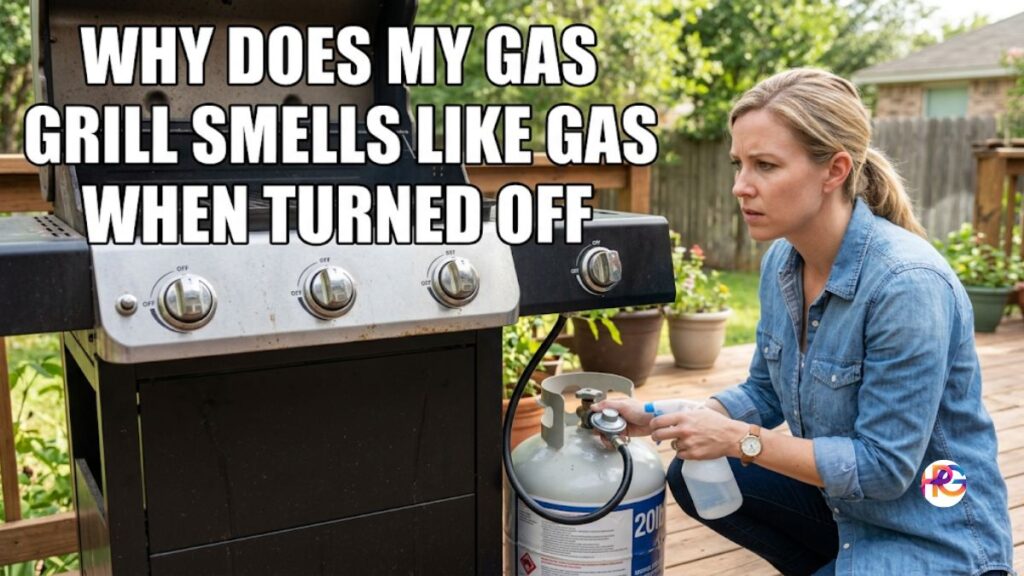
Next, I made sure my burner knobs were totally off. I slowly opened the main propane tank valve, then sprayed the soapy water over the rubber hose, regulator, and metal valves, making sure every connection was thoroughly covered.
I watched the wet areas very closely. Soon, I saw something quite scary. Tiny bubbles started to grow at the connection point. They got bigger and bigger like balloons. I found my leak. The O-ring inside my regulator was totally broken. I turned off the main valve right away.
My Data Centric Safety Guide
I learned a lot that day on my patio. I decided to track my future safety checks. Keeping data helps me stay safe and organized. I made a simple table for my patio equipment.
| Grill Part | Check Frequency | Average Lifespan |
| Rubber Hose | Every Spring | Two to Three Years |
| Regulator | Every Spring | Three to Five Years |
| Burner Valves | Twice a Year | Five to Ten Years |
| O-Ring Seal | Every Tank Change | Varies greatly |
This table reminds me to check things early. You can use it for your own home maintenance. It is better to replace parts before they break. A new hose is very cheap to buy. A house fire is a total disaster.
Fixing The Issue Without Panic
Finding the leak was a huge relief for me. Now I had to fix it so we could eat. I decided to buy a brand new hose and regulator. They often come attached as one single piece.
I drove straight to my local hardware store, picked up the exact replacement part for twenty dollars, and headed back home to remove the old hose. It was very easy to unscrew with a wrench. After installing the new one and tightening all the connections, I repeated the soap test.
A generous coating of bubbly water went onto the new fittings before I opened the main tank valve again to check for leaks. This time, no bubbles formed anywhere. The seal was tight and strong. My patio smelled like fresh air again.
My Routine For Checking Before A Party
Now I follow a strict routine before cooking. I do this before any big backyard event. I don’t want any surprises when my guests arrive.
First, I look at the whole outside of the unit. I check for any signs of rust or damage. Then I open the lid and look inside the box. I brush the heavy metal grates clean. I clear out any old grease or dry food bits.
Next, I inspect the heavy propane tank. I look at the date stamped on the metal collar. Tanks expire after twelve years in the United States. If it is too old, I trade it in for a new one.
Finally, I do a quick sniff test near the tank. If the air smells clean, I turn the valve open. I wait ten seconds and smell the air one more time. If my gas grill smells like gas now, I stop. If the air is still clean, I light the main burners. This simple routine gives me total peace of mind.
More Tips For Safe Cooking Outdoors
I want to share a few more habits I picked up. These simple tips keep my family safe during summer cookouts.
Always keep your spare tank outside in the fresh air. Never store it in your garage or wooden shed. If it leaks inside, the heavy fuel will pool on the floor. Any small spark can ignite it instantly.
Keep the lid open when you light the flame. If fuel builds up under a closed lid, it can explode. It will blow hot fire right in your face. I always lift the cover before I press the igniter button.
Clean your lower drip tray very often. Grease fires are very scary and hard to stop. A clean pan stops random fire flare-ups. I scrape mine out after every big messy meal.
When You Should Call A Pro
Sometimes a problem is just too big to handle alone. You must know your own skills and limits. I am very glad my fix was so easy. If the leak is deep inside the metal manifold, stop. Do not try to take the whole machine apart yourself.
Call the main company that made your unit. You can also call a local appliance expert. They have special tools to fix internal leaks safely. It is worth spending money to protect your family. Never gamble with your life or your precious home.
My Final Thoughts On Patio Safety
That Saturday afternoon in Austin taught me a big lesson. I respect my outdoor cooker much more now. If your gas grill smells like gas, take quick action. Do not wait for the bad scent to just fade away. It will only get worse and more dangerous over time.
Stay calm and grab some simple dish soap. Test the lines and find the source of the leak. Replace old rubber parts when they feel dry or stiff. Keep your main tank valve fully closed after dinner. These small steps make a very huge difference.
Cooking outside should always be fun and easy. We make great memories around the warm fire. A little bit of caution protects those happy times. I hope my personal story helps you stay safe this summer. Enjoy your next big meal with total peace of mind.
Frequently Asked Questions
Q: Can I use a regular wrench to tighten a loose propane hose?
Yes, a standard adjustable wrench works great for securing loose connections. Just be careful not to overtighten the metal brass fittings, or you might crack the seal.
Q: Why does my gas grill smell like gas even after replacing the hose?
Your control valves behind the knobs might be worn out and leaking fuel. You can use a digital gas leak detector tool to check those tight internal spaces safely.
Q: How long can I store a Weber or Char-Broil grill regulator in a hot garage?
High garage heat degrades the internal rubber components much faster over time. Plan to replace your regulator assembly every three to five years to ensure maximum backyard safety.
Q: Will cold winter weather crack my rubber gas line?
Freezing temperatures make rubber lines stiff, brittle, and highly prone to cracking. Inspect the line closely each spring for tiny tears before you strike the first match.
Q: Is it safe to use thread tape on propane tank connections?
Never use standard plumbing tape on the main propane tank connection point. These specific hookups rely on a clean, solid rubber O-ring to stop dangerous fuel leaks.