How to Prevent Flare-Ups on Grill: My Honest Guide
The Day My Grill Caught Fire in Texas.
It was a hot Sunday down in Austin. We had planned a big backyard party. The sun beat down hard on the brick patio. Cold drinks sat ready in the blue box. Buying huge steaks seemed like a great plan.
Those thick cuts looked so good to eat. Hungry friends stood close by the wood fence. Bad things happened without much warning at all. Walking away for just one minute caused pain. Grabbing paper plates inside took almost zero time.
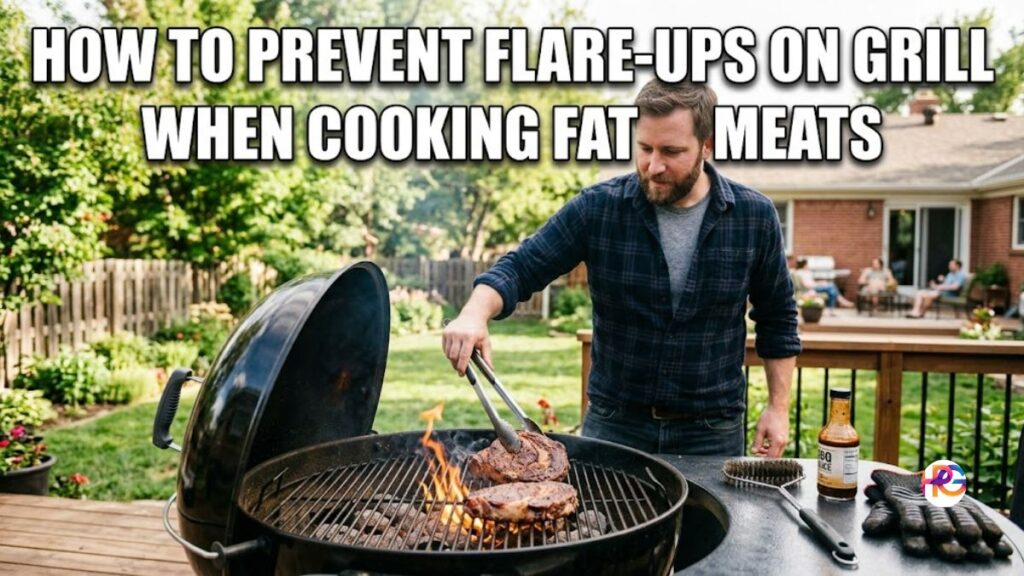
Stepping back outside, thick smoke filled the air. Everyone stopped talking right away on the spot. We stared in pure shock at the hot cooker. Tall flames shot up past the open lid. Burnt meat smell stung my nose very badly.
Fear set in very fast for all of us. Running over to the fire, I messed up. Leaving the lid open fed air to the flames. The fire grew even higher and much hotter.
Saving the food became a very hard game. One side of the meat was totally black. Serving those ruined steaks felt awful to me. Good friends ate them up politely anyway.
Writing fresh posts for my blog is fun. Sharing this bad day felt hard, but needed. Finding a real fix became my main goal. Learning how to prevent flare ups on grill took time. Today, sharing these tips might save your party.
Why Do Grills Catch Fire?
Knowing the real cause helps you fix it. Fires happen when raw fat drips straight down. Hot metal melts the solid white fat fast. Liquid grease drops down all of the time.
Falling fat hits the hot red coals below. Grease can also hit hot metal gas bars. Vapor forms when hot grease hits high heat. Catching fire fast is what vapor does best.
A tiny flame acts quite normal for cooking. Small flames give food a great smoky taste. But huge pools of fat cause giant fires. Giant fires ruin your costly food very fast.
Thinking big flames meant good cooking was silly. Being wrong taught me a very harsh lesson. Controlling the heat is the true safe secret. Letting the fire boss you leads to tears.
My Top Tips on How to Prevent Flare Ups on Grill
Ruining good meat is a very sad error. You do not have to repeat my day. Following basic rules makes cooking fun once more. Success comes from taking a few simple steps.
Trim the Extra Fat First
Flavor lives deep in the soft fat layers. Everyone knows this old fact is true. Having too much fat creates a big risk. Looking closely at your meat is vital.
Seeing a huge white edge means real trouble. Cutting most of it off saves your meal. Leaving a tiny bit adds just enough taste. Trimming the hard edges makes cooking very safe.
Keep Your Grates Very Clean
Old leftover food starts new fires very fast. This remains a cold, hard truth for cooks. Being lazy after a party was my flaw. Leaving dirty grates alone seemed fine at night.
Heating old dirt later was very unwise. Trapped grease just waits for a hot spark. Scrubbing my grates every time is my rule. Grabbing a good wire brush gets jobs done.
Table: Fat Levels of Common Meats
Different meats cause different fire risks for you. Knowing what you cook is a key step. Planning my parties gets easier with this guide. Look at the chart below for quick help.
| Meat Type | Fat Level | Fire Risk | Best Trick to Cook |
| Ribeye Steak | High | Very High | Trim edges, watch closely |
| Chicken Thighs | High | High | Keep skin side up first |
| Pork Chops | Medium | Medium | Use two zones safely |
| Hot Dogs | High | High | Cook on very low heat |
| Lean Burgers | Low | Low | Safe for direct heat |
Set Up a Two-Zone Fire
Changing my life started with one neat trick. This simple method is your best safety tool. What exactly is this two-zone setup plan? It is very simple to make right now.
Leaving one side very hot is step one. Keeping the other side totally cool is next. Gas users turn off one side of the dials. Charcoal fans push hot coals to the left.
Cooking raw food happens on the hot side. Fires will start under the fatty meat cuts. Sliding the food to the cool side helps. Watching the tall flames die down brings peace.
Moving food back over the heat finishes the job. Relying on this exact trick gives me control. Panicking is a thing of the past now. Anyone asking how to prevent flare ups on grill needs this.
Marinades and Oils Start Fires
Loving a good wet meat rub is normal. Tender food comes from soaking in wet flavors. Sweet notes make all the guests very happy. But wet food drips liquid down all day.
Dripping liquids start massive fires down deep below. Oil hits the hot glowing coals right away. Bright flames shoot straight up into the sky. Sugar burns very fast over high heat.
How to Handle Wet Meat Safely
Pulling food out of the bag is first. Wiping off the extra wet stuff is next. Grabbing a clean paper towel works quite well. Patting the food dry removes the bad oil.
Worrying about lost flavor is not needed here. Good tastes are locked deep inside the meat. Using sweet sauce is still fine later on. Waiting until the very end changes the game.
Brushing thick sauce on last works best. Doing this during the final minutes is smart. Warm sticky sauce stays on without burning up. Dinner looks totally awesome on the hot plate.
Tools That Help Control Flames
Good workers always need the right strong gear. Outdoor cooks need proper tools to stay safe. Keeping a few clear items nearby is smart. Never cook without having a safe plan ready.
The Truth About Water Bottles
Many folks keep a plastic spray bottle near. Doing this exact thing was my old habit. Spraying water on a fire seemed very smart. Putting out fires with water makes logical sense.
Grease fires act quite oddly next to wood. Hot fat jumps when cold wet water hits. Spreading the real danger makes things much worse. Ash blows all over your very good food.
Tasting dirty gray ash ruins the whole meal. Throwing my old spray bottle away felt great. Relying on the cool zone is way smarter. Moving food beats spraying water every single time.
Get Long Tongs and Fire Gloves
Short cooking tools put hands in pure danger. Reaching close to extreme heat hurts very fast. Jumping flames will burn your bare pink skin. Buying long steel tongs fixed my bad routine.
Keeping arms safely away from heat feels good. Grabbing hot meat quickly is easy to do. Indoor oven pads fail sadly outside as well. Catching fire happens easily with cheap cotton pads.
Wearing thick real leather gloves stops this issue. Reaching right over hot coals becomes super easy. Feeling zero burn pain gives me real trust. Protecting my two hands is worth the cost.
What to Do When Trouble Starts
Great cooks still face sudden bad fires often. Dealing with jumping hot flames comes with cooking. Stopping every single tall flame is very hard. Acting fast saves the day when trouble hits.
First, staying calm is very important. Yelling out loud and running helps nobody here. Grabbing your long steel tongs is the move. Picking up the meat quickly matters the most.
Sliding it into the safe cool zone works. Closing the heavy lid cuts off the air. Fire needs fresh air to keep on burning. Shutting the lid kills the air supply fast.
Waiting for dark smoke to clear takes seconds. Checking the food slowly ensures a safe space. Opening the lid with care stops fresh flames. Putting dinner back on the heat finishes it.
Table: Small Flame vs Grease Fire
Knowing the clear difference here is very vital. One issue is totally normal during a cook. The other issue brings great danger to yards. Learning what you fight keeps every person safe.
| Event Type | What It Looks Like | Danger Level | What To Do First |
| Small Flame | Quick yellow flash | Low | Just leave it alone |
| Big Flare Up | Tall fire hitting food | Medium | Move meat, close lid |
| Grease Fire | Thick smoke, huge fire | Very High | Turn off gas, back away |
Cleaning the Dark Belly of Your Grill
Washing the top metal is never quite enough. Cleaning the dark inside belly matters as much. Learning this hard lesson happened in warm June. Roasting cheap hot dogs seemed totally fine then.
Suddenly, a huge bad fire started from below. Checking the lower trap was what I missed. Old, nasty fat filled the entire metal pan. Extreme heat set the messy trap off fast.
Scary tall flames ruined my cheap hot dogs. Fixing the broken metal parts cost real money. Taking good care of my gear happens monthly. Taking the metal setup apart takes ten minutes.
Scraping the dirty bottom bowl gets rid of chunks. Emptying the messy grease tray removes huge risks. Wiping down the flavor bars makes them shine. Dumping old gray ash helps units breathe better.
Trapped bad heat comes from layers of ash. Air flow stops when ash blocks tiny vents. Cooking evenly requires a very clean outdoor machine. Keeping the home yard safe is best.
Why Cooking Hot and Fast is Risky
Wanting your hot food done fast is normal. Turning gas knobs all the way feels strong. Piling glowing hot coals up high seems smart. Getting a dark, hard crust needs high heat.
But blazing raw heat causes the worst fires. Solid white thick fat melts fast over heat. Raining drops of hot oil fall like storms. Glowing red coals react to oil drops fast.
Trying a Slower Cooking Method
Cooking thick, big steaks slowly changed my view. Setting the dial to medium works out quite perfectly. Thick fat turns to wet liquid much slower. Tiny drops of warm oil fall one by one.
Managing small, clear drips is easy for anyone. Turning up the dial happens only at the end. Searing the outside takes just sixty short seconds. Building that dark, hard crust is totally awesome.
Seeing zero massive large fires keeps my heart calm. Serving perfect food makes folks at tables happy. Taking your slow time pays off big here. Flavor wins when you just slow right down.
Final Thoughts on Safe Cooking
Outdoor yard cooking must stay a fun time. Feeling scared of the heat ruins vibes. Serving bad, burnt, black food shames any host. Knowing that bad feeling keeps me typing tips.
Learning how to prevent flare ups on grill takes time. Making silly careless mistakes is part of life. Ruining a few nice dinners taught good lessons. Learning new neat things comes from bad errors.
Remembering basic safety rules keeps you safe. Trimming the white hard edges stops early trouble. Washing everything well removes hidden fire risks. Building a safe, cool, chill zone offers escapes.
Drying off wet, dripping meat stops nasty drips. Leaving the old water bottle inside stops ash. Enjoying the fresh, cool air outside is nice. Good, rich smells bring neighbors to the fence.
Hosting my good friends feels stress-free now. Worrying about sudden yard fires never bugs me. Smiling and flipping beef burgers is my job. Trusting your newly learned skills makes all the difference.
Frequently Asked Questions
Q: What is the best wire brush to clean grill grates and prevent flare ups?
A: A heavy steel Weber or durable, safe, bristle-free brush works best. Clean grates mean no old grease can catch fire when things heat up quickly.
Q: Can long Weber tongs really keep my hands safe from high heat?
A: Yes, long stainless steel tongs give you great reach and grip. They let you slide fatty meats to the cool zone without burning your bare skin.
Q: Do thick leather heat gloves work better than indoor cloth oven mitts?
A: Heavy leather gloves protect your hands much better than thin cotton. They handle extreme outdoor heat so you can move hot grates with zero pain.
Q: How do I clean the inside grease tray to stop big grill fires?
A: Use a stiff plastic putty knife to scrape the lower metal bowl clean. Empty the grease pan often so trapped fat does not turn into a bonfire.
Q: Will storing my gas grill tools in a cold garage damage them?
A: Cold air will not hurt solid steel tools or heavy tongs. Just keep them dry to prevent rust and protect the soft rubber grip handles over winter.