Why Is My Gas Grill Not Getting Hot Enough? My Easy Fix
The Day the Grill Stayed Cold
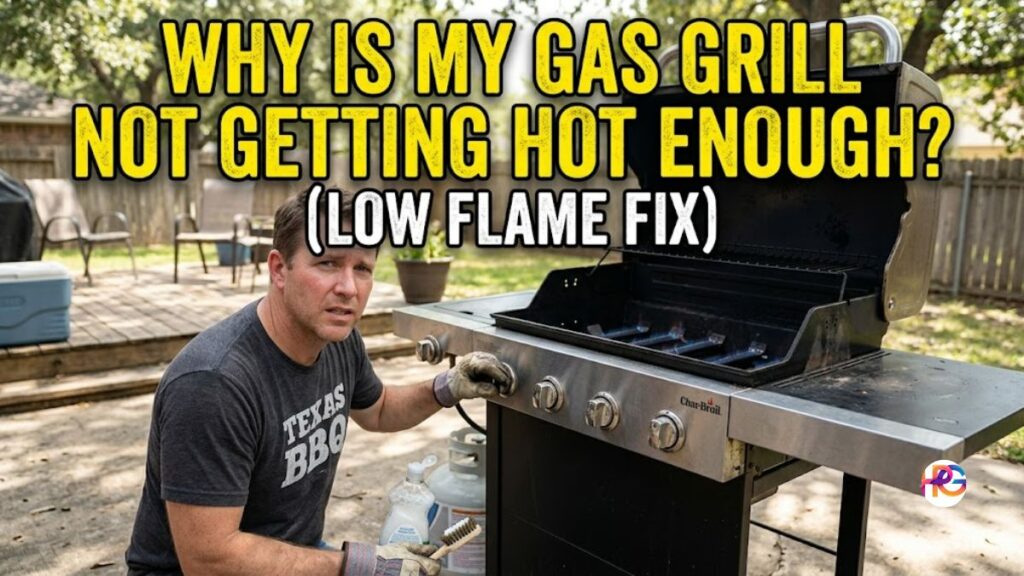
It was a hot Saturday in Austin, Texas. The sun beat down on my back patio. I had ice-cold drinks sitting in the cooler. Thick steaks rested on the kitchen counter. Friends were driving over for a big afternoon lunch. I walked up to my trusty cooker. I turned the knob and hit the spark button. A weak pop told me it lit. I closed the lid and waited ten minutes. When I came back, the temp gauge barely read 200 degrees.
I felt a drop of sweat run down my face. My heart sank a little bit. I asked out loud, why is my gas grill not getting hot enough? This was terrible timing. I share a lot of fun stories on my blog, but a ruined lunch is not a great topic. I needed high heat, and I needed it fast. The flames looked tiny inside the box. They were a sad, pale blue. The fire lacked the angry roar I was used to hearing. I knew I had to act fast before everyone arrived.
What Stops a Grill from Getting Hot?
I grabbed my phone to find some quick answers. It turns out, modern propane tanks are very smart. They have a hidden safety valve built right in. This part is called an Overfill Prevention Device. It does a great job keeping us safe from fires. But it can also ruin a weekend barbecue very quickly. The valve stops gas from rushing out too fast. If it thinks there is a big leak, it shuts the flow down.
You only get a tiny trickle of gas through the hose. That means you get very low flames at the burners. Your cooker will never get hot enough to sear a steak. You might have caused this without even knowing it. I surely did. If you open the tank valve too fast, the safety lock trips. If you leave a burner knob on and open the tank, it trips again.
I learned this lesson the hard way. My rush to cook caused the exact problem I was trying to avoid. You might wonder why fuel tanks are built this way. It is purely for our own safety. Years ago, older tanks did not have this feature. Bad accidents happened much more often. Now, the modern valve prevents terrible disasters. It gives us peace of mind. But it sure can be annoying when you just want to eat a burger.
Common Grill Heat Issues
| Problem | Likelihood | Time to Fix |
| Tripped Safety Valve | Very High | 5 Minutes |
| Empty Tank | High | 10 Minutes |
| Clogged Burner | Medium | 15 Minutes |
| Gas Leak | Low | 20 Minutes |
How I Fixed the Safety Valve Lock
This is the trick that saved my day. It is called a regulator reset. You do not need any tools for this job. You just need a few minutes of patience. First, I turned off all the dials on the front panel. I made sure every single burner was completely off. Next, I reached down to the heavy tank. I turned the main valve tightly to the right. I shut the gas off completely.
Then, I unscrewed the black hose from the tank. It made a tiny hiss as it came loose. Now came the weird part of the fix. I opened the heavy grill lid, turned all the burner dials to high, and left them there for about two minutes. This lets all the trapped gas bleed out of the rubber lines. I stood there watching the clouds move while I waited.
After two long minutes had passed, I turned the dials back off. I hooked the hose back onto the metal tank. I made sure it was nice and snug. Here is the most vital step of the whole process. Next, I opened the tank valve very slowly, cracking it just slightly at first before waiting a few seconds. Then I turned it the rest of the way. I hit the red spark button again. The grill roared to life instantly. The flames were huge and super hot.
Is the Tank Actually Empty?
Sometimes the simplest answer is the right one. Your tank might just be out of fuel. I have done this more times than I care to admit. Propane tanks are made of thick, heavy steel. They feel heavy even when they are totally dry inside. You cannot just shake them to know for sure.
I like to use the hot water trick. I learned this neat tip from an old neighbor. You just boil a cup of water in the kitchen sink. Walk outside and pour it down the side of the tank. Then, run your bare hand down the wet metal. Do this carefully so you do not burn yourself. The top part will feel warm. But when your hand hits a cold spot, that is where the liquid gas sits.
If the whole tank feels warm, you are totally out of gas. You need to drive to the local store for a swap. That is why I always keep a spare full tank in my shed. It saves a massive amount of stress on busy weekends. Knowing you have backup fuel is a great feeling. You never want to leave a fun cookout to visit a gas station. The hot water trick takes two seconds to do. It is much better than buying a cheap gauge. Gauges can easily break or give false readings. The water trick never lies to you. Cold metal means liquid gas is hiding inside. Warm metal means space.
Clearing Out the Spider Webs
What if the quick reset does not work? What if you have plenty of gas left? The next step gets a little bit messy. Bugs absolutely love the distinct smell of gas. Spiders like to build thick webs inside the small metal tubes under the grates. These are called venturi tubes. They mix outside air and raw gas together.
When a spider builds a web in there, the gas gets stuck. It cannot flow freely to the main burners. You end up with uneven heat or no heat at all. I noticed this exact thing happening last spring. Half of my cooking space was blazing hot. The other half was barely warm to the touch.
I had to take the heavy grates off to reach the dirty tubes. I used a long, flexible wire brush to clean them. A straight metal coat hanger works really well too. I pushed the wire deep into the dark tubes. I pulled out a huge bunch of dirty, sticky webs. It was pretty gross, but it worked perfectly. As soon as the metal tubes were clean, the gas flowed normally again.
Regular cleaning stops this mess from ruining your nice meals. You should clean the tubes at least twice a year. Do it once in the spring before the busy cooking season. Do it again in the fall before you put the cover back on. It is a messy job, for sure. Wear some old work gloves to keep your hands clean. Lay down some old newspaper on your clean patio. The black soot and spider webs can stain your concrete. A little bit of hard work keeps your food tasting great.
Testing for a Hidden Gas Leak
A gas leak is a very dangerous problem. It also robs your burners of the high pressure they need. If gas escapes from a cracked hose, it never reaches the fire. I always check for tiny leaks at the start of summer. I do not mess around with basic fire safety.
The test is very easy to do at home. I mixed tap water with liquid dish soap in a small bowl and stirred it until it became nice and sudsy. Before testing anything, I made sure all the front burner dials were completely turned off. Then, I turn the main tank gas on. Using an old paintbrush, I coated the rubber hose with the soapy solution, making sure to apply plenty around the joints and brass valves.
I watch the wet hose closely for a full minute. If I see clear bubbles starting to grow and pop, I know I leak. It means raw gas is pushing out through the wet soap. I always keep a bottle of cheap dish soap out in my garage. It is the absolute best tool for this quick job. You do not need any fancy electronic leak detectors. Soap bubbles tell you the whole truthful story.
If you find a bad leak, turn the gas off right away. Never try to cook food with a leaking rubber hose. A scary fire can start right under the front control panel. That is a very quick way to ruin a whole weekend. Play it smart and replace broken parts immediately.
Leak Test Action Plan
| What to Look For | What it Means | What to Do |
| No Bubbles | Safe and sealed | Cook your food |
| Tiny Bubbles at Joint | Loose connection | Tighten the nut |
| Big Bubbles on Hose | Broken hose pipe | Buy a new hose |
How to Light a Grill the Right Way
You can prevent the safety lock from ever tripping again. You just need to learn the right order of steps. I used to just crank knobs fast and push buttons. Now, I have a firm, safe routine. First, I open the heavy lid. You should never try to light a fire with a closed lid. Gas can quickly build up inside and cause a loud flash.
Next, I reach down to the bottom tank. I turn the main dial open very slowly. I count to three slowly while I do this. Opening the valve gently keeps the safety device happy. Then, I turn on just one single burner dial. I hit the spark igniter right away.
Once that first burner is safely lit, I turn on the rest. They easily catch fire from the first hot flame. I close the lid and let the high heat build. This careful routine takes an extra ten seconds. It is completely worth it. It stops the annoying bypass mode from ruining your day.
Replacing the Old Regulator
Sometimes old parts just get tired and die. The regulator is the round silver disc attached to the black hose. It does hard work every single time you cook outside. Inside the disc, there is a small, flexible rubber part. Extreme summer heat and freezing winter cold make that rubber stiff.
Once that soft rubber goes bad, the whole part is done for. You cannot easily fix it. You just have to buy a brand new one. I had to replace mine about two years ago, but not before trying every simple fix I could think of. I reset the main valve, cleaned the burner tubes, and even weighed the propane tank before finally accepting that the hose needed replacing. Nothing fixed the low flames.
Eventually, I drove to my local hardware store, picked up a new hose kit for about twenty dollars, and installed it in less than five minutes. The grill worked exactly like it was brand new again. Buying a new small part is much cheaper than buying a whole new grill. Some frustrated people throw out their heavy steel cookers for no good reason. They just need a cheap new hose to get back in business. Always check the easy things first. Save your hard-earned money for buying better cuts of meat. Your hungry family will thank you for it.
Saving the Backyard Feast
My sudden panic in Austin did not last very long. The safety valve reset took me less than five quick minutes. The rich, amazing smell of searing beef soon filled the yard. My hungry friends arrived right as I flipped the hot steaks.
They never knew about my mild panic attack. I felt like a true backyard hero that day. Knowing exactly why your grill stays cold gives you peace of mind. Next time you face weak, sad flames, do not stress out. Try the simple regulator reset first. You will likely be back to happy cooking in no time.
Here are five relevant tool-focused FAQs based on your gas grill and regulator article, keeping the text extremely simple, clear, and perfectly tailored for the garage workshop.
Frequently Asked Questions
Q: How do you know if a gas grill regulator is bad?
A bad regulator often causes low flames, a weak hiss, or a yellow, lazy fire. If a quick system reset fails to fix the heat, the internal rubber part is likely worn out.
Q: Can you clean a clogged propane regulator with tools?
No, you should never stick wires or sharp tools inside a regulator venturi hole. It can ruin the delicate safety seal inside and cause dangerous gas leaks in your yard.
Q: Why does my Weber grill propane tank get frosty on hot days?
Liquid propane turns to gas inside the tank, which naturally pulls heat from the metal walls. This drops the tank temperature rapidly and creates thick frost on the outside.
Q: Is it safe to store spare propane tanks in a hot garage?
Never store your fuel tanks inside a hot garage or home. High heat builds up dangerous pressure inside the tank, which forces the safety relief valve to vent raw gas.
Q: How often should you replace a backyard grill hose kit?
Most manufacturers recommend buying a fresh hose and regulator kit every five years. Regular sun exposure cracks the rubber and wears down the tight seals over time.