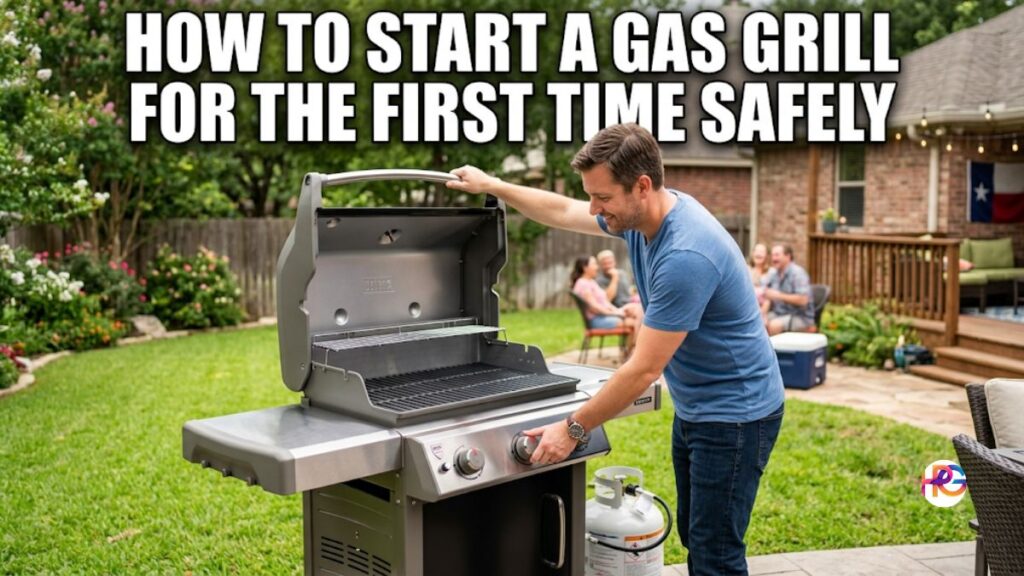
How to Start a Gas Grill the Safe and Easy Way
I still remember that warm Saturday in Austin, Texas. The smell of fresh-cut grass filled the air. Friends were on their way over for a backyard party. A brand new cooking station sat on my patio. It looked amazing in the bright afternoon sun. Yet, my hands were actively sweating. Knowing how to start a gas grill felt like a giant mystery. Fear of messing up crept into my mind.
Or worse, causing a huge uncontrolled fire. Propane can be very scary if you lack experience. Staring at the shiny metal knobs, I felt completely lost. Reading the thick factory manual just gave me a headache. All I wanted was to cook some basic backyard burgers. Taking a deep breath helped calm my nervous energy. Deciding to figure it out step by step was my best choice. Today, I want to share my early learning journey with you. This personal guide will show you exactly what to do. You can learn directly from my early panic and mistakes. Following these simple steps will make your first cookout a total breeze.
My First Big Mistake with a Grill
Many folks feel nervous around heavy propane tanks. I certainly did back in the beginning. The loud hissing sound can easily make you jump. You might constantly worry about an invisible leak. Some people fear a big orange flame popping up suddenly. These are very normal fears for a beginner. But they are completely easy to overcome. Safety is really just about knowing the basic rules. Once you learn them, the deep fear goes away entirely. You simply need to build a regular routine. I built my own steady routine over a few weeks. Now, lighting the main burners is completely second nature. I walk outside and feel totally confident. You will absolutely feel that exact same way soon. Let us carefully break down the exact steps I use today.
The Fear of Gas Leaks
My biggest worry was always about bad hose leaks. I pictured gas pooling around my feet. This thought kept me awake the night before my party. But my uncle gave me some truly great advice. He told me to trust my nose above all else. Propane has a very strong added smell. It smells exactly like rotten eggs. If you smell that foul odor, stop immediately. Shut the tank valve and step away. Trusting my senses made me feel much more secure.
The Simple Steps on How to Start a Gas Grill
You must deeply respect the ignition process. Never rush this specific part of the job. I rushed once and learned my lesson the hard way. A big puff of dark smoke shot out at me. It scared me half to death right on my patio. Singed arm hair is definitely not a good look. Here is the completely right way to do it.
Step One is All About Air
This is the single most important rule of all. Never start your fire with the heavy lid closed. Gas can quickly build up inside the dark box. If you trap the fuel, it creates a dangerous hazard. That is exactly what caused my scary smoke puff. I foolishly forgot to open the metal top. Always lift the lid fully before doing anything else. Let the fresh yard air flow right in. Give it a few seconds to breathe naturally. It is such a fast and simple thing to do. But it saves you from a massive scare.
Step Two is the Tank Valve
Walk down to the heavy steel propane tank. You will easily see a round wheel on top. Turn it gently to the left side. Remember the old popular saying we all know. Lefty loosey, righty tighty is the golden rule here. Turn it all the way to the open position. Do this very slowly and with steady hands. If you turn it too fast, a safety lock might trip. That hidden lock stops fuel from flowing outward. It tricks the system into thinking there is a huge leak. So, just turn the wheel nice and slow. You will hear a tiny soft hiss. That sound is totally normal and expected. It means the fuel is ready to go.
Step Three is the Spark
Now the fuel is sitting in the hose line. It is finally time to make some fire. This part used to make my heart race fast. Now I actually find the process quite fun. Look closely at your main control knobs. Find the one that has a little lightning bolt picture. This is your primary starting burner. It is usually placed on the far left side. Push the plastic knob in firmly. Turn it completely to the high setting. You will hear the gas flowing out. It sounds much like a soft rushing wind.
Step Four is the Push Button
Find the main push button right away. It is your electronic igniter switch. Press it down without waiting very long. You never want too much gas floating in the air. You will hear a loud, rapid clicking sound. Sometimes it clicks extremely fast. Then you will finally see the bright flame. It should be a nice, clean blue color. Yellow flames usually mean dirt or old grease. If it does not light quickly, turn the knob off.
Data on Grill Safety You Should Know
I really like to look at cold facts. Facts always help me understand true risks. I found some helpful data about backyard fires. It absolutely made me pay much better attention. Most unexpected issues happen because of dirty cooking parts. Or they happen because of cheap, bad tank hoses. Knowing this vital information keeps me very sharp. I check my cooking gear often now. Here is some highly helpful data I found online.
Common Causes of Grill Fires
| Fire Cause | How Often It Happens | How I Prevent It |
| Dirty Grease Trays | 29 percent | Clean the bottom trap after every single cook. |
| Gas Line Leaks | 11 percent | Use soapy water to test the rubber hose lines. |
| Being Too Close to the House | 9 percent | Keep the unit ten feet away from house walls. |
| Leaving Unit Alone | 5 percent | Never walk away while the fresh meat cooks. |
What to Do if the Grill Will Not Light
Things do not always work out perfectly on the first try. My unit failed me on a busy Fourth of July afternoon. I was getting so incredibly mad at the machine. The little igniter just kept clicking away uselessly. No hot fire came out of the metal tubes. I had very hungry guests waiting on the porch. I almost lost my cool entirely right there. But I quickly stopped and thought about the safety rules.
Wait Five Full Minutes
If it fails to light, turn everything off fast. Close the main tank valve right away. Turn off all the plastic burner knobs. Now, wait five full minutes by the clock. Walk away from the cooking zone entirely. Go grab a cold drink of water inside. This forced wait time is incredibly vital. It lets the unburned floating gas drift safely away. If you try again too soon, it might flash badly. That flash is highly dangerous for your face and hands. I used that wait time to chop some white onions. When I came back outside, it lit right up perfectly.
Testing for Leaks Before You Cook
I do a full leak test every single spring. It is very easy and honestly kind of fun. You just need basic liquid soap and tap water. Mix them together in a cheap spray bottle. Spray the black hose and the metal tank parts. Turn the main tank gas wheel on. Do not turn the upper burner knobs on yet. Watch the soapy wet spots very closely. If clear bubbles grow big, you definitely have a leak. If no new bubbles grow, you are completely safe. I actually found a tiny leak last year. A yard squirrel had chewed my black hose. I had to buy a brand new one immediately. That simple soap test saved my wooden patio from disaster.
Tools That Made My Life Much Easier
You truly need good gear to cook well outside. Cheap, flimsy tools just bend and break under pressure. I bought very bad tongs my first summer. They dropped a nice, thick steak right in the dirt. I was so incredibly sad and mad. Now I only buy very strong metal tools. They make the whole job much safer overall. Good heavy tools keep your hands far away from the heat.
My Favorite Grilling Gear
| Tool Name | Why I Love It | Best Use |
| Long Metal Tongs | Keeps my arm hair completely safe from big flames. | Flipping beef burgers and pork hot dogs safely. |
| Stiff Wire Brush | Gets the hard-burned junk off the iron grates. | Cleaning up the mess after the meal is fully done. |
| Fast Meat Thermometer | Stops me from ever serving raw chicken to friends. | Checking the deep inside heat of the thick meat. |
| Thick Heat Gloves | Let me easily move hot, heavy pans without pain. | Taking cast iron skillets totally off the open fire. |
Keeping the Grill Clean and Safe
New cooking units are covered in weird factory oils. The giant factory puts them there to strictly stop rust. You certainly do not want to eat that nasty stuff. It tastes absolutely awful on your food. It can also quickly make your stomach feel sick. You must clearly burn it off before your very first meal.
The High Heat Burn Off Trick
Light all your main tube burners at once. Turn them all the way up to high. Close the heavy metal lid down tight. Let the machine run for twenty full minutes. It will get extremely hot inside that box. You will likely smell a very bad chemical odor. You might even see some thin white smoke. Do not panic about this at all. This is exactly what you desperately want to happen. It means the bad industrial stuff is burning away completely. When the weird smoke finally stops, the bare metal is clean. Open the heavy lid and let it cool down slightly. Now you are fully ready for some real food.
Getting the Best Sear on Your Meat
Once the fire is hot, you want a truly good crust. I struggled hard with this early on in my journey. My cooked meat was always grey and rather sad-looking. I finally learned that massive heat is the magic secret. You absolutely must let the iron grates get super hot. Do not ever put cold raw meat on merely warm metal. Wait ten minutes after lighting the flames. Let the thick iron deeply soak up the fire. Then place your raw steak firmly down. You will instantly hear a loud violent sizzle. That amazing sound directly means pure flavor is building.
Leaving the Food Alone
Do not constantly touch the cooking meat. Do not move it around the hot grates endlessly. Let it just sit there in total peace. It truly needs quiet time to build a hard crust. I used to poke my food constantly with a fork. It completely ruined the outer texture every time. Now I am very patient with the process. I set a simple phone timer and take a step back. The hot fire does all the really hard work for me.
Turning Off the System the Safe Way
Closing down properly is just as important as starting up. You absolutely must turn off the main gas source first. Go directly down to your heavy propane tank. Turn the round wheel entirely to the right side. Shut it extremely tight with your hands. This action pulls all the leftover fuel out of the hose. The visible fire will die out completely on its own. It literally takes just a quick second to happen.
Closing the Burner Knobs
After the final fire dies, turn your plastic knobs off. This fully locks the entire gas system down tight. It is the absolute safest daily habit to build. I also quickly take my stiff wire brush out. I scrub the dirty grates while they are still rather warm. Warm soft grease comes off very easily with brushing. Cold old grease is basically like hard dry glue. Cleaning right now saves you major time tomorrow.
Keeping Your Gear Ready for Next Time
I truly love walking out to a totally clean cooking station. It instantly makes the next dinner so much easier. Once the thick metal is fully cold to the touch, put a cover on it. Rain and harsh sun will quickly ruin the exterior paint. Yard dust will easily clog the tiny burner holes. A good thick cover stops all that outdoor mess. It is a very small cost for a very long machine life.
Why Practice Makes Perfect
My first few cooking times were incredibly clumsy. At first, I was slow and nervous, which led to a few burned hot dogs and an undercooked chicken breast or two. Thankfully, every mistake taught me something new. But I stubbornly kept trying to get better. I cooked outside every single weekend that long summer. I learned exactly how the invisible heat moved around. Every single unit has a unique hot spot inside. Mine is located in the deep back right corner. You will definitely find yours soon enough.
Building Your Outdoor Confidence
Cooking outside is really all about pure joy. It is deeply about feeding hungry people you truly care about. The complicated technical part slowly becomes fully invisible. Instead of worrying about the plastic control knobs, your attention shifts to the food. You start appreciating the rich flavors, the satisfying sizzle on the grill, and the cold drink in your hand while everything cooks.
Learning exactly how to start a gas grill is the critical first step. It happily opens up a whole massive new world of weekend fun.
Here are five relevant tool-focused FAQs based on the article topic, written to be short, simple, and helpful.
Frequently Asked Questions
How do I fix a blocked propane gas grill burner tube?
Insects love to nest inside the dark burner tubes. Use a thin wire brush or a bent paperclip to gently clear the small holes. This quick fix restores proper fuel flow and fixes weak flames instantly.
Will hot garage storage ruin my electronic grill igniter battery?
Extreme summer heat drains small batteries very quickly. It is best to store your AA batteries inside a cool house during the peak of summer. This simple trick ensures a strong spark every time you press the button.
Can I use a standard Weber vinyl cover in freezing winter weather?
Cheap covers can get brittle and crack when the snow hits. A heavy-duty, weather-resistant cover keeps moisture out of the gas lines. Protecting your tools in the winter prevents costly rust damage down the road.
Why is my propane tank regulator making a strange humming noise?
A soft humming sound usually means gas is flowing very fast. It is completely normal on hot days when tank pressure builds up. Just check your hose connections with soapy water to be absolutely safe from leaks.
What is the safest way to store spare propane tanks in the USA?
Never keep extra fuel tanks inside your home or garage. Always store them upright in an outdoor area with plenty of fresh air. This prevents dangerous gas buildup if a small valve happens to leak.