How to Tell If Plastic Is Microwave Safe (Before You Melt Your Lunch)
Why I Stopped Trusting “Any Plastic” in the Microwave
A fast Tuesday lunch taught me a hard truth. My lid bent. A weird smell filled the room. I learned my lesson.
It was a cold Midwest winter day. I wanted hot food fast. I put my thick bowl in the heat. Soon, the plastic bent. A sweet, fake smell hit my nose.
I thought a hard tub was safe. I was wrong. Thick stuff can still melt. You would not use a cheap wrench for a tough job. Your food needs that same care. It is time to clear things up. Let us learn how to tell if plastic is microwave safe.
The Microwave-Safe Symbol Most People Ignore
Turns out, the answer is often printed right under the container. I just never looked. It is wild to think about. I fix home appliances for a hobby, yet I missed this basic clue for years.
What Is the Symbol for Microwave Safe Plastic?
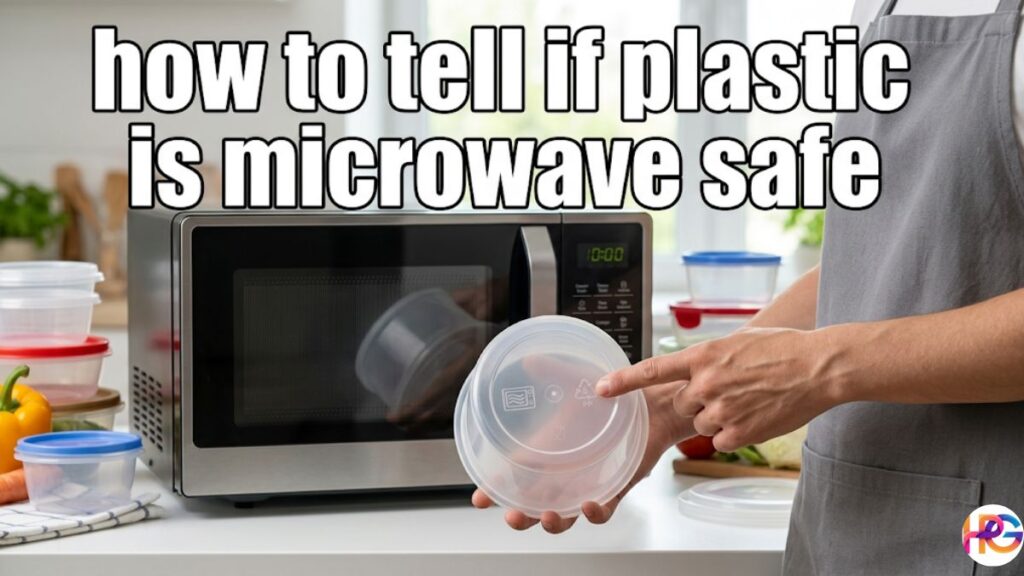
So, what should you look for? First, check for the main icon. It usually looks like a tiny microwave with wavy lines inside. Sometimes, it just says “Microwave Safe” in plain text.
You need to flip your bowl over. Look closely at the bottom. You should also check the lid or the side wall. I remember a rainy afternoon in Seattle last winter. I pulled an old soup container from the fridge and ran my thumb along the bottom edge. The plastic was rough. The symbol was mostly worn off.
Faded symbols on old containers are very risky. The plastic breaks down over time from heat and washing. If you cannot read the stamp, do not heat it. It is simply not worth the risk.
The Recycling Number Trick (This Changed Everything for Me)
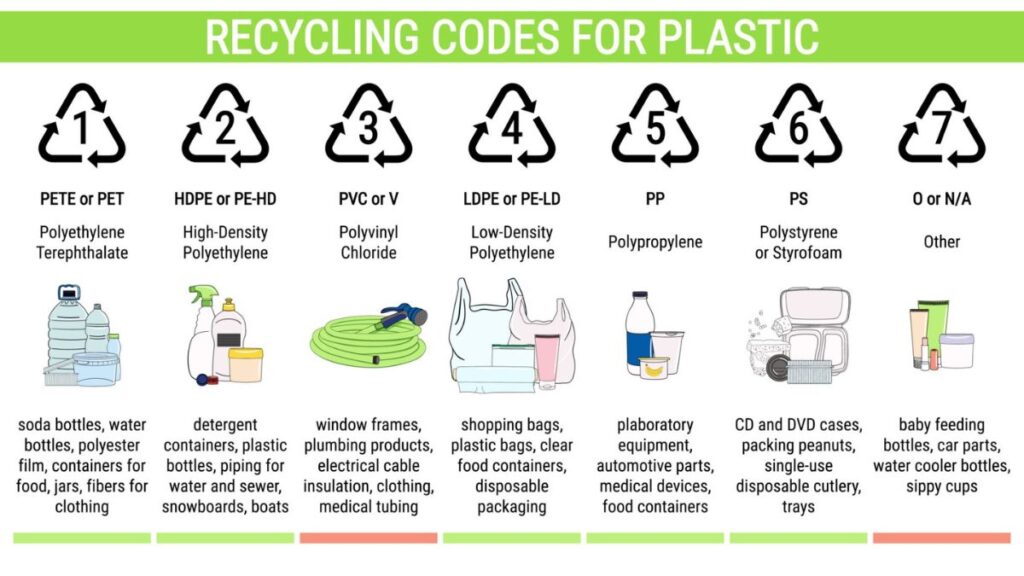
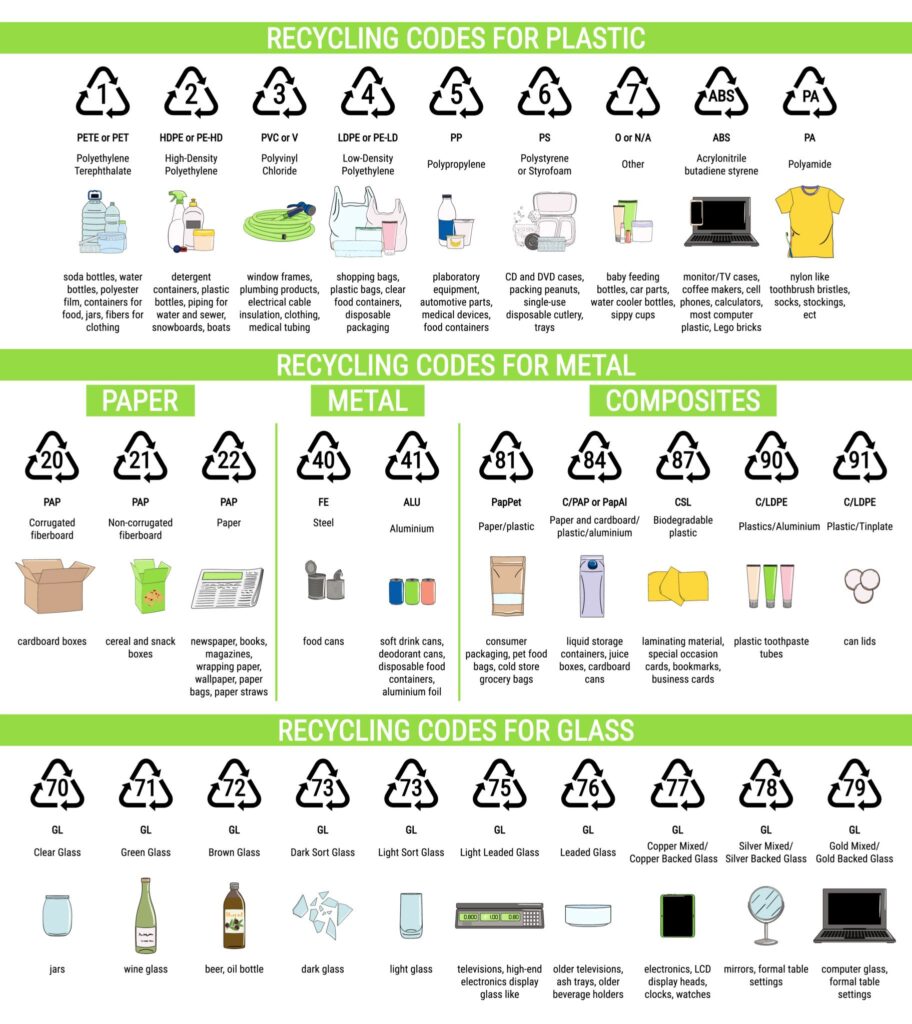
There is another way to check your containers. This trick changed everything for my kitchen routine. You will see a small triangle stamped on the plastic. It has a single number inside. These are plastic resin codes. They range from one to seven.
Here is a visual memory trick. Think of your hand. You have five fingers. Number five is the best choice for your food.
This brings up a common question. Is number 2, 4, or 5 plastic safe? Yes, these are your best bets. Number 5 is the gold standard for heat. Numbers 2 and 4 are okay for some uses. Next time you grab a lunch tub, look for the triangle. It takes just three seconds. It saves your food, and it keeps those bad smells out of your house.
Which Plastics Are Safe for the Microwave?
I now flip containers over like I read food labels. I do not play games with my lunch anymore. A hot Monday in a humid Florida kitchen changed my habits. I wanted a quick hot meal. I had to be sure my bowl would survive. These are the exact numbers I trust today.
#5 PP — Polypropylene (The Gold Standard)
People often ask me which plastic is safe for the microwave? The best answer is number five. This stands for polypropylene. It is the gold standard for high heat. Most modern food tubs use this strong plastic. It is built to last. It will not melt or bend in the heat. I use number five tubs to warm up heavy soups. The tub feels hard and sturdy in my hands. It never gets soft.
#2 HDPE and #4 LDPE — Sometimes Safe, Sometimes Not
These two plastics are a mixed bag. Number two is HDPE. Number four is LDPE. Are they safe to heat up? It really depends. Sometimes they work fine for a quick spin. Other times, they warp fast. Thickness is the key detail here. A thick tub might take a ten-second warm-up. A thin tube will bend right away. I once grabbed a thin tub from the heat. It felt like soft, hot jelly in my hands. It was a total mess. I try to avoid heating these now.
Is Polyethylene PP or PE?
These big words can be confusing. Let us keep it very simple. Polyethylene is PE. Polypropylene is PP. They are not the same thing. PP is hard and takes heat well. PE is soft and bends fast.
How can you tell if plastic is PE or PP? Just use your hands and ears. Tap the side of the tub with your fingernail. PP makes a sharp, loud click. PE makes a dull, quiet thud. You can also try to squeeze it. PE gives way and bends with ease. PP stays stiff and fights back. This quick touch test saves me so much grief.
The Plastics You Should Never Microwave
These are the bad ones. They caused that awful smell in my kitchen. I learned this the hard way, not from a book. A busy Friday night ruined my appetite. I was tired and just wanted warm food. Instead, I got a melted mess. Knowing how to tell if plastic is microwave safe means knowing exactly what to avoid.
The Three Unsafe Plastics
There are three main numbers you must run away from. Do not even try to heat these up.
- #3 PVC: This is bad news. It releases toxins into your food when it gets hot.
- #6 PS: This is Styrofoam. It melts very fast. It leaches bad chemicals right into your warm soup.
- #7 Mixed Plastics: This is a wild card. It is a mix of unknown parts. You never know what will happen. It is just too risky.
What Are Type 3 Plastics?
Let us talk about type three plastics. This is PVC. You might know PVC from the hard white pipes under your sink. But they make a soft type, too. They use it for some food wraps and cheap tubs. It is nasty stuff when hot.
How can you tell PVC from safe polypropylene (PP)? You can use your hands and your eyes. PVC feels soft and a bit sticky. It clings to your hands. PP feels very smooth and dry. Next, look at the tub. PVC is very clear. PP looks a bit cloudy. If I pick up a clear, soft, sticky tub, I sigh and put it down. I never put that in the heat.
Can You Microwave Tupperware, Ziploc Bags, and Takeout Containers?
This is where most of us gamble daily without knowing it. I used to play this game of chance all the time. Knowing how to tell if plastic is microwave safe means checking the items we reach for the most.
Can You Microwave Tupperware?
Most new Tupperware is perfectly safe. They use that good number five plastic now. But old bowls are a different story. I have a clear memory from a hot Sunday in Texas. I tried to heat baked beans in a vintage yellow bowl. It got way too hot to touch. My thumb burned just pulling it out.
Is a 40-year-old Tupperware safe to use? No, it is not. Old plastic breaks down from age and washing. It might have bad chemicals in it. We banned those bad parts years ago. Keep those cool old bowls for cold salads only.
Are Ziploc Bags Full of Microplastics?
I pack lunches for my kid every morning. I use many Ziploc bags. Some folks heat food right in the bag. Are Ziploc bags full of microplastics? When you heat them, the thin plastic can break down. This drops tiny bits of plastic right into your meal.
If you must use them, stick to gentle steam heat. Leave the top open a bit to vent the steam. Do not let the food get boiling hot. Direct, high heat on a thin bag is a terrible idea. I just dump the food into a glass bowl now. It is so much safer and gives me peace of mind.
Can You Microwave Plastic Takeout Containers?
We all love a Friday night dinner from a restaurant. I always end up with black boxes full of cold food. You might wonder, can you microwave takeout containers? Most of the time, the clear answer is no.
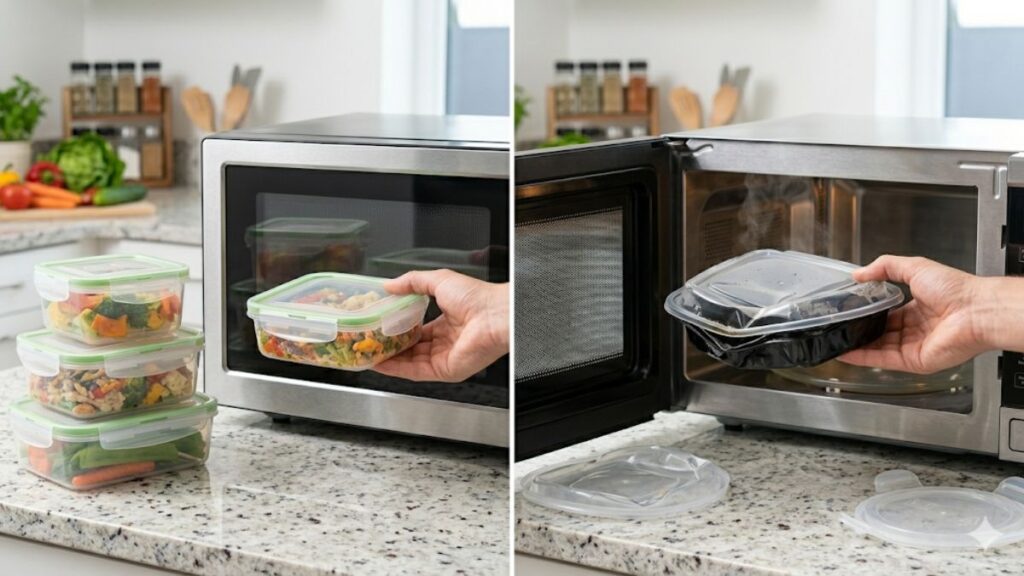
Can you microwave plastic takeout containers? You must check the bottom first. Many cheap black boxes are made of number six plastic. This is just a hard Styrofoam. It melts very fast when it gets hot. The clear lids are even worse. They are very thin. They always warp first and pop right off. I hate opening the door to find a bent lid and splashed food. Just move your tasty leftovers to a real plate. It saves your food and keeps your kitchen clean.
Paper Plates, Mugs, and “Looks Safe” Items
Not everything that looks friendly for the heat actually is. Sometimes, things that are not plastic can still fool us. Knowing how to tell if plastic is microwave safe is only half the job. We also need to check items like paper and clay.
Can You Microwave Paper Plates?
I needed a quick breakfast on a busy Thursday morning in Ohio. I placed a cold pastry on a glossy paper plate and slid it into the microwave to warm up. A minute later, the plate felt very strange. It was stuck right to my food.
Can you microwave paper plates? It really depends on the finish. Plain, dull paper plates are fine. But shiny paper plates hide a secret. They have a thin plastic lining. This coating stops wet food from soaking through the paper. But it melts very fast in the heat. It leaves a bad film on your food. Always feel the plate to see if it is dull or shiny.
How to Tell If a Mug Is Microwave Safe?
I love my morning coffee. I use heavy ceramic mugs to keep it warm. But not all mugs handle a quick reheat well. How do you check them? First, look closely at the rim. Does it have a shiny gold or silver stripe? That is real metal. It will spark and pop like wildfire inside your machine. It can break your mug and ruin your appliance.
Next, check the ceramic glaze. If the hard, clear paint has tiny cracks, water can get inside the clay. The mug will then get way too hot to hold. Here is a quick trick I use. I call it the warm test. Fill your empty mug with water. Heat it for one minute. If the water is hot but the mug handle is cool, you are safe. If the mug handle burns your hand, do not use it to heat drinks. The clay is soaking up all the heat instead of your water.
What Happens When You Microwave the Wrong Plastic?
This is the part nobody talks about, but everyone smells. A cold Wednesday in Michigan taught me a lot. I tried to heat up some old chili. I used a cheap plastic tub. It was a bad idea.
Does Plastic Release Toxins When Heated?
Does plastic release toxins when heated? Yes, it does. You might hear big words like BPA or phthalates. Let us keep it simple. These are just chemicals that make hard plastic soft. When they get hot, they break down. I track indoor air quality for my home projects now in 2026. I know that a bad smell often means bad air. If you smell a sweet, fake scent, that is a chemical release. Your nose is warning you. You are breathing in bad stuff.
What Are the Risks of Microwaving Plastic?
What are the risks of microwaving plastic? There are three big ones to watch out for.
- Food Contamination: Those soft chemicals leak right into your warm food.
- Microplastics: Tiny bits of plastic break off in the heat. You eat them without knowing.
- Warping and Melting: I once watched a thin lid melt right into a hot cheese dip. It was a wild mess to clean up.
I had to throw the whole meal out. Knowing how to tell if plastic is microwave safe stops this sad waste. It keeps your food pure and your kitchen safe.
Easy At-Home Tests to Identify Plastic Type (No Lab Needed)
These small tricks saved me from guessing every time. You do not need a fancy lab to check your bowls. I love fixing home parts and testing tools. I brought that same habit right into my kitchen. Knowing how to tell if plastic is microwave safe is easy with a few fast tests.
How to Tell if Plastic Is PE or PP?
A sunny Saturday in a dry Arizona kitchen taught me this. I had two clear bowls. I needed to know which one was strong. Here is how to tell if plastic is PE or PP.
- The Flex Test: Try to bend the tub. PE plastic is soft and gives way. PP is stiff and fights back.
- The Sound Test: Tap the side with your fingernail. PP makes a sharp, loud click. PE makes a dull, quiet thud.
- The Look Test: Hold it up to the light. PE is often very cloudy. PP is much clearer.
I tap my bowls all the time now. It makes me smile. It is a quick habit that just works.
How to Tell PVC vs Polypropylene?
PVC is the worst choice for heat. You must know how to tell PVC vs polypropylene. It takes just ten seconds. First, feel the texture. PVC feels a bit sticky and soft. It grabs your skin. PP feels very smooth and dry.
Next, try a small scratch. Scratch the plastic with a coin. PVC might let off a faint, sweet smell. PP smells like pure nothing. Lastly, check the bend. PVC flexes a lot. PP stays hard. These fast tests stop wild mistakes before they happen.
The 7 Types of Plastics Explained Simply (So You Never Forget)
I used to ignore these little numbers. Now I read them like expiration dates on milk. A cold Sunday morning in a snowy Denver kitchen changed my mind. I was making my weekly sourdough bread and needed to heat some water quickly. I grabbed a random cup and hoped it would handle the heat safely. That was a big mistake. The cup got soft and smelled bad. Now, knowing how to tell if plastic is microwave safe is my top rule.
Let us answer a simple question. What are the 7 types of plastics? Here is a fast list to keep your food safe.
- #1 PET: You find this in water bottles. It is very thin plastic. Safe for heat? No. It melts fast and leaks bad things into your drink.
- #2 HDPE: This is thick and cloudy. Think of a heavy milk jug. Safe for heat? Sometimes. It takes low heat for a short time. I usually do not risk it.
- #3 PVC: This is soft wrap or hard pipe. Safe for heat? Never. It lets off wild, toxic fumes when it gets hot.
- #4 LDPE: This makes up soft grocery bags. Safe for heat? Not really. It bends and warps fast in the machine.
- #5 PP: This stands for polypropylene. It is a hard, strong tub. Safe for heat? Yes! This is your best choice. It stays hard and keeps food safe.
- #6 PS: This is Styrofoam for cheap cups. Safe for heat? Never. It melts fast and drops bad parts right into your hot meal.
- #7 Other: This is a mix of random plastics. Safe for heat? No. You do not know what is inside. It is a bad gamble.
Strange But True: Why You Can’t Put Carrots in the Microwave (Sometimes)
This surprised me. It ties back to minerals in the dirt, not plastic. It is a wild thing to see.
A breezy Tuesday night in Chicago taught me this. I was making a quick vegetable soup. I chopped fresh carrots, placed them in a sturdy microwave-safe bowl, and pressed start. Soon, small blue sparks jumped inside the box. It sounded like tiny snaps. It was wild! I thought my machine was broken.
Why did it spark? It was not my bowl. I already knew how to tell if plastic is microwave safe. The problem was the food itself. Carrots grow deep in the ground. They pull up heavy minerals from the soil. Iron and zinc hide inside the roots. When hot waves hit those trace metals, they spark. It acts just like a tiny metal fork.
This explains a common safety myth. People see sparks and blame the tub. They throw away good food and safe bowls. But often, it is just dense food with high soil minerals. Wash your veggies well. Keep them moist before heating. This simple step stops those wild light shows in your kitchen.
A Quick Habit That Changed My Kitchen Routine
It takes just three seconds before heating my food. It stops ruined tubs and weird smells.
A dark, cold evening in Portland made me stop playing plastic roulette. I was very hungry. I just wanted my hot stew. Before, I would just toss the cold tub in the heat and cross my fingers. That was a bad game to play. Now, I have a firm rule. Knowing how to tell if plastic is microwave safe changed my whole routine.
Here is my fast and easy checklist:
- Flip the container: I take the cold tub and turn it over. I feel the hard plastic in my hands.
- Check the symbol: I look closely for the little wavy lines.
- Check the number: I searched for that strong number five.
- Remove the lid: I always pull the top off. Hot steam needs a clear path to escape.
I never skip these steps. It is a tiny habit. But it saves my bowls, protects my food, and keeps my kitchen smelling sweet and clean. No more melted plastic surprises for me!
The Bigger Picture: Plastic Waste and Why This Matters
This is not just about a hot lunch. It is about how much plastic we toss out every single day. Knowing how to tell if plastic is microwave safe helps the whole world. It stops us from ruining good bowls.
What Country Wastes the Most Plastic?
A breezy Sunday morning in Austin opened my eyes. I was taking out my trash. The big green bin was full of bent, melted takeout tubs. They made a sad crunching sound when I closed the lid. It felt like a huge waste.
I read a wild fact later that day. What country wastes the most plastic? The United States is right at the top of the list. We throw away tons of plastic every single year.
This is exactly why heating thin plastic is a bad idea. When we melt a cheap tub in the heat, we must throw it away. It goes straight to the dump. If we check the numbers first, we save the bowl. We can wash it and use it again and again. It is a very small step to take. But it makes a huge dent in our daily waste.
Quick Reference Cheat Sheet (Reader-Friendly Recap Section)
If you remember nothing else, just remember this short list. A lazy Saturday in a sunny New York kitchen taught me to keep things simple. I stared at a chaotic pile of leftover containers. I just wanted to heat my food quickly, so I made a simple guide and taped it inside my cabinet door.
It is the best way to remember how to tell if plastic is microwave safe.
Safe Plastics to Heat
- #5 PP: This is your best friend. It stays hard and safe.
- #2 HDPE and #4 LDPE: These are okay sometimes for a fast, warm spin.
Unsafe Plastics to Avoid
- #3 PVC: Run away from this. It leaks bad fumes.
- #6 PS and #7 Mixed: These will melt fast and ruin a good meal.
Fast Daily Rules
- Always look for the little wavy lines symbol first.
- Avoid old, faded tubs. If the plastic feels rough, do not heat it.
- Never heat thin takeout boxes or their clear lids. They bend every single time.
Frequently Asked Questions
What are the 7 types of plastics?
There are seven main kinds of plastic. They use numbers 1 to 7 to show the type. Each number indicates whether the plastic can withstand heat. You can find the code at the bottom of the tub.
Which plastic is safe for the microwave?
Number 5 plastic is the best. It is called PP. This strong plastic can take the heat. It will not melt. It will not leak bad stuff into your food. Look for this number to stay safe today.
How to tell if plastic is microwave safe?
Is number 2, 4, or 5 plastic safe?
Number 5 is the gold standard for heat. Numbers 2 and 4 are for cold food. Do not heat them for a long time. They may warp or bend if they get too hot. Check your labels before you cook.
Can you microwave takeout containers?
Most takeout tubs are not safe. They use thin number 6 plastic. This melts fast and ruins your lunch. Move your food to a glass plate. It is a smart way to keep your meal fresh and clean.