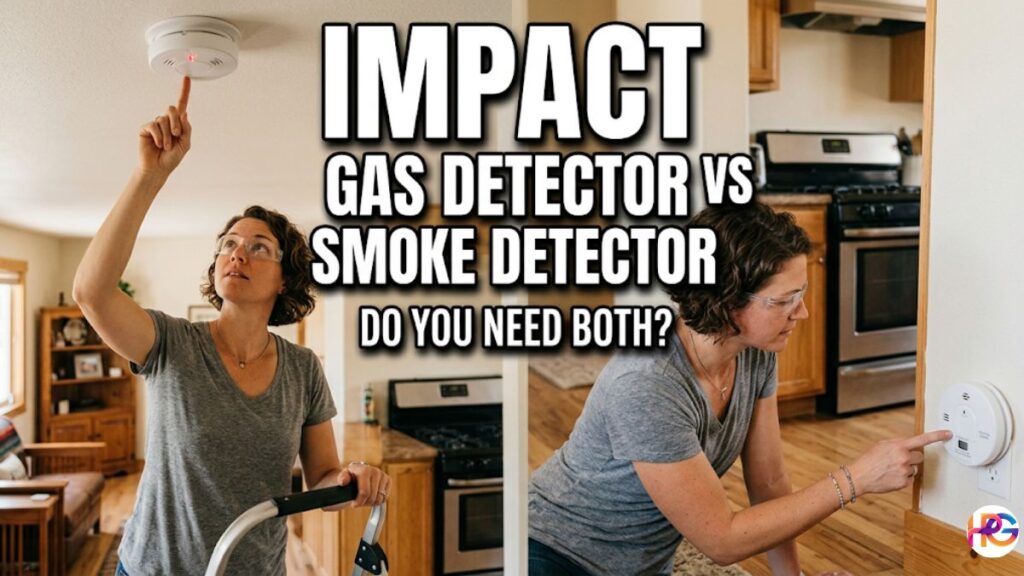
Gas Detector vs Smoke Detector
I love taking old things apart. It is fun to see how they work. My kids watch me fix broken blenders. I fix coffee makers on slow Sundays.
Working in my Jashore shop feels great. I enjoy fixing things with my bare hands. But one scary trip changed my views. Home safety is a very big deal now.
We took a family trip to Denver. The weather got very cold on Tuesday. We rented a large wooden mountain cabin. The old space heater ran all night.
The Core Difference We All Miss
Waking up the next day felt wrong. My head hurt with a dull pain. The air in the room felt thick. A smell of rotten eggs hit me.
Looking up, I saw a white disc. It sat on the ceiling doing nothing. The alarm made no sound at all. We were in danger the whole time.
Believing we were safe was a mistake. That cold morning taught me a lesson. I grabbed my kids and ran out. We waited in the snow for help.
The cabin was full of bad air. A broken heater caused a massive leak. Fire crews checked the entire house later. They said we were lucky to wake up.
That silent box was just a fire alarm. It only looks for hot flying ash. The unit does not care about toxic air. Folks think one alarm stops every house threat.
I honestly believed that for many years. You buy a house and see a detector. Assuming you are fully safe is very easy. This lazy habit is a highly dangerous trap.
What Fire Alarms Actually Do
Think of a fire alarm as a nose. It only cares about dark floating soot. Burning your toast makes it scream loudly. We all hate that noise during dinner time.
Yet, that loud noise saves many lives. There are two main types of fire sensors. One uses a tiny beam of bright light. The other uses safe bits of atomic energy.
Both versions only spot solid physical dust. They do not read secret chemical air mixtures. Visible soot must enter the plastic slots. This triggers the loud siren to warn you.
A toxic leak can fill the room. The fire unit will just sit there quietly. It will never make a single warning peep. You will keep sleeping while the air drops.
What Toxic Air Alarms Actually Do
A toxic air alarm is a chemical sniffer. It looks for hidden threats you cannot see. Spotting carbon monoxide in a bedroom is impossible. You cannot taste it or feel it either.
The deadly gas has absolutely no natural smell. Natural methane has a fake sulfur smell added. But what happens if you are fast asleep? You need a smart tool to wake you.
These tools use special metal pads inside. The bad air hits the pad and sticks. This causes the electrical flow to change fast. The tiny internal computer sees this sudden change.
Then it blasts a loud warning for everyone. I took a broken unit apart last year. Peeking at the internal sensor board was fun. It is amazing how much science fits inside.
Comparing the Two Alarms Directly
I love looking at clear facts before buying. It helps me make much better gear choices. Let us look at how these boxes compare. I made this simple chart for easy reading.
| Feature Type | Fire Alarm Unit | Toxic Air Alarm Unit |
| Main House Goal | Finds hot active fires | Finds toxic air leaks |
| Danger Target | Ash and dark soot | Chemical air mixtures |
| Human Senses | You can usually see it | You cannot see it |
| Sensor Style | Light beams or ions | Metal or chemical pads |
Looking at the data makes things very clear. One tool simply cannot do both heavy jobs. You must spend money on proper safety gear. Your lovely kids are worth the extra cost.
My Personal DIY Safety Failures
I am quite good at fixing home machines. Repairing microwaves is a fun task for me. Checking loose car vacuum wires is also easy. Hanging these alarms seemed like a super joke.
I grabbed my drill and went to work. Sadly, I made bad placement mistakes on day one. Sharing my failures helps you avoid them entirely. First, I put a gas alarm high up.
I stuck it next to the fire alarm. This choice is actually very wrong and bad. Carbon monoxide mixes evenly with normal room air. It does not float up like hot exhaust.
Getting the Placement Wrong
Putting it way up high causes big problems. I had to drag a heavy ladder inside. Pressing the tiny test button was very hard. Next, I placed a methane sniffer down low.
Methane is much lighter than normal house air. It floats up to the high ceiling fast. My floor alarm would take forever to sound. Feeling pretty silly was my reward that day.
I had to patch holes and start over. Moving everything took me a few extra hours. Learning from silly mistakes builds real handy skills. Next time, I will read the paper manual.
Rules for Proper Safety Setup
Putting these boxes in the right spot matters. You cannot just guess and hope for safety. The exact location changes how fast they work. Seconds matter deeply when bad air fills rooms.
Let us review the strict rules for hanging. Following the basic guidelines keeps your family safe. Doing it right the first time saves effort. Your future self will be very glad later.
Where to Put Fire Alarms
Hot air always rises toward the sky above. We learned this basic fact in grade school. Dark soot rides that hot air straight up. Therefore, fire alarms must live on the ceiling.
If you must use a wall, be careful. Place them near the top ceiling edge line. Put one working unit in every sleeping room. Add another one outside the main hallway doors.
Every single floor needs at least one box. Do not forget to put one down below. Basements are prime spots for electrical fire starts. Good coverage means you wake up much faster.
Where to Put Gas Alarms
This is where things get tricky for folks. The rules change based on the specific fuel. Natural methane rises, so place those sensors high. Propane sinks down to the floor like rocks.
If you use propane, place sensors down low. Put them near the bottom of the wooden baseboards safely. Carbon monoxide sensors go at eye or knee level. Just keep them away from fast-spinning fans.
Strong fresh drafts blow the toxic air away. This ruins the readings on the tiny pad. Proper placement guarantees an early warning at night. Never place them near open windows or doors.
Indoor Air Quality and Daily Habits
I write deeply about clean, pure home environments. Keeping unseen toxins out is a big priority. We filter our daily drinking water all week. We use thick HEPA filters for house dust.
Buying safe plastic cups matters to my wife. Yet, we ignore the room air we breathe. A slow leak will hurt your health daily. Low levels of poison will not kill instantly.
They will just make you feel deeply tired. You might get dizzy after waking up early. Kids might get random headaches during the week. A good detector catches these tiny hidden leaks.
I check the air quality at work too. My uncle runs a small local meat shop. He uses old electrical belts on the line. I helped him fix a broken belt recently.
We added new air monitors to be safe. Keeping the shop workers healthy is very important. Good air makes everyone feel much better daily. Clean breathing environments are vital for long lives.
Common Placement Mistakes to Avoid
Let us review frequent errors made by folks. I see exact issues in almost every house. Avoid these bad habits to stay completely safe. Proper rules apply to every single building style.
- Near the kitchen stove: Causes false sirens every dinner time.
- Next to an open window: Fresh breezes hide the true danger.
- Besides the hot shower, Heavy steam breaks the internal circuits.
- Painting over the cover: Thick paint blocks the plastic vents.
Hiding an alarm behind heavy curtains is bad. Thick fabric stops air from reaching the sensors. Some folks put them near the heating vents. Fast-blowing air messes up the delicate readings.
Keep them in open spaces for good flow. Air must reach the tiny internal chips easily. Never block the plastic front covers with anything. Dusting them gently every single month helps greatly.
Choosing Your Safety Gear
Walking into a large hardware store feels stressful. Massive walls of plastic safety boxes are everywhere. Basic models cost ten dollars on the bottom shelves. Others cost a hundred dollars behind locked glass.
Do not blindly buy the cheapest box ever. Look for a combined unit to reduce clutter. They cram a fire and chemical sensor together. Make sure the box says photoelectric technology inside.
This style is best for a normal house. Read the package details closely before spending money. Investing in quality sensors brings real peace daily. You cannot put a low price on life.
Smart Tools for Busy Parents
You will see smart alarms on the shelf. They connect to the local internet network quickly. These units send fast phone alerts to you. I really like these cool gadgets for the home.
If the loud siren triggers, my phone buzzes. I can call for help from my office. Hardwired alarms hook into your main power lines. They have a small battery backup just inside.
If one alarm goes off, every single triggers. This is amazing for very large family houses. A fire starting downstairs wakes you up upstairs. Battery units stand completely alone on the wall.
They are cheap and easy to hang quickly. I use these in older buildings without wires. Check those loose batteries very often to confirm. A chirping alarm at night means low power.
Checking Your Gear Often
You cannot stick these boxes on the wall. They need active attention to keep working right. I treat my alarms like my daily car. They get regular checkups to ensure top performance.
Spending five minutes a month is worth it. I use a cheap can of test smoke. It costs a few dollars at the hardware. You spray a puff near the plastic vents.
The alarm should scream within a few seconds. Throw it straight away if it stays quiet. Batteries remain the biggest failure for home safety. A dead battery means a totally dead system.
I swap my batteries every cold winter season. Making it a fun game with kids helps. They help me push the small test buttons. We cover our ears and laugh out loud.
Final Thoughts on Home Safety
Teaching kids about safety helps them grow strong. Building good habits early keeps them safe always. I want them to know exactly what happens. We practice walking outside whenever we hear beeps.
You work very hard to provide for your loved ones. You buy good food and lock your doors. Do not let an unseen, silent threat sneak in. Spend the extra money on proper sensors today.
Your family relies on you to make choices. Read the included paper manuals from front to back. Install them in the exact right spots I mentioned. Check your home alarms today when you have time.
Push the center button and listen for beeps. Look closely at the printing date stamped on the back. If you need a chemical detector, go buy one. Do not wait for a highly terrifying scare.
Mental peace of mind is worth the cost. Knowing you are protected lets you sleep better. Take action today and secure your lovely home. Safety is the best gift you can give.
Frequently Asked Questions
Q: Do I need separate tools to test a gas detector vs smoke detector?
A: Yes, you need different testing gear for each unit. Use a basic aerosol smoke spray tool for your fire alarm. Use a safe, dedicated gas test canister to check your chemical sensor.
Q: Will hot garage storage ruin the battery life of my safety detectors?
A: Severe summer heat can drain tool batteries much faster than normal. Use durable lithium cells in uncooled workshop spaces. Check the power levels every single month to stay safe.
Q: Can I use a standard DeWalt drill to mount alarms on concrete walls?
A: A regular drill works fine for wood, but tough masonry requires a hammer drill. Grab a strong Milwaukee carbide bit to handle hard garage walls. Always wear clean safety glasses.
Q: Why does my shop’s gas detector beep when I use cleaning solvents?
A: Strong chemical fumes can easily confuse cheap sensor pads in your workshop. Store your paint thinners in sealed metal cabinets. Keep the workspace open for fresh air flow.
Q: How often should I replace the internal sensors in my home shop alarms?
A: Most fire sensors last ten years, but gas sensors fail after five or seven. Check the expiration date stamped on the back of the plastic box. Never trust an outdated tool.