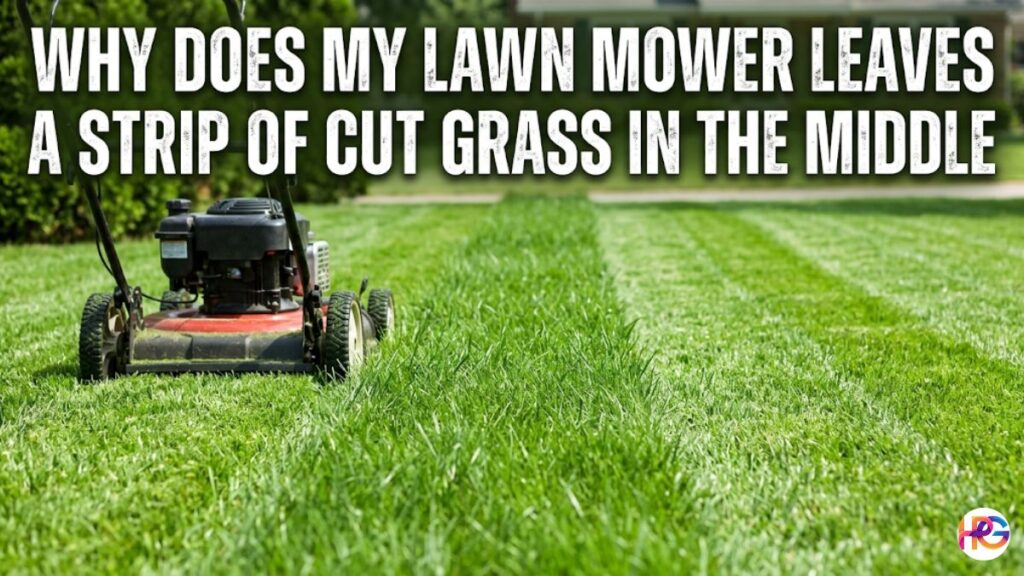
One day in Ohio, I cut my yard. It looked great. Then I saw a long strip of tall grass right down the middle. My mower skipped a lane. It made me mad, but you can fix it fast.
You might ask, “Why does my lawn mower leaves a strip of cut grass in the middle?” I see this a lot when I test mowers. I fix and rate tools in hot Florida yards, dry Arizona dirt, and cold Midwest shops. Good brands like Toro or Craftsman work well for us.
But even top gas or cord tools need care. Dull steel blades or low torque will leave tracks. We will check your deck, belt speed, and safe use to help you fix your grass today.
Why Does My Lawn Mower Leave a Strip of Grass in the Middle?
Does your mower leave an uncut strip? The problem is often airflow or bad blades. It might be the deck setup. Sometimes it is the mower. Sometimes it is just the grass. I learned this last July in hot Texas. I was sweating through my shirt, sipping my morning coffee, and staring at a yard that looked like a bad haircut. It made me laugh, but I wanted to fix it. If you are asking why does my lawn mower leave a strip of cut grass in the middle, let me share what I found.
Dull or Damaged Mower Blades
- Grass bends instead of cutting cleanly: When blades are dull, they just push the grass over. You get a ragged edge.
- Torn grass tips that turn brown later: Those chewed-up tips will dry out. Your yard will look brown and sick in a few days.
- Uneven cutting across the blade path: A chipped blade leaves patches of tall grass.
- Common after hitting rocks, roots, or hidden toys: I once hit a buried dog bone. My mower left a huge uncut strip right away. Always check your steel blades first and learn how to sharpen mower blades at home to keep them in top shape.
A Bent Blade or Spindle
- One side cuts lower than the other: A bent blade hits the grass at a bad angle.
- Creates a narrow strip of missed grass: The gap in the middle misses the grass entirely.
- Often causes vibration while mowing: My hands were buzzing one day while I was mowing. Sure enough, the spindle was bent. If you like fixing things yourself, If you like fixing things yourself, replacing a lawn mower spindle is a quick DIY job with basic garage tools.
Grass Clippings Blocking Airflow
- Wet clippings stick under the deck: Airflow is a big deal for a clean cut. Wet grass forms a thick paste under there.
- Reduced suction prevents grass from standing upright: Without good suction, the grass does not stand up straight to meet the blade.
- More common during spring growth spurts: This happens to me a lot in early May. If you smell wet, rotting grass, tip the mower back and look under your deck.
Mowing Too Fast
- The deck cannot process grass quickly enough: We all want to finish fast on a warm Saturday. But if you walk too quickly, the deck chokes.
- Leaves random strips and clumps behind: The mower will spit out ugly chunks of grass.
- Especially noticeable in thick Kentucky bluegrass or tall fescue lawns: Thick yards need more time. Slow down your pace. Your lawn will thank you.
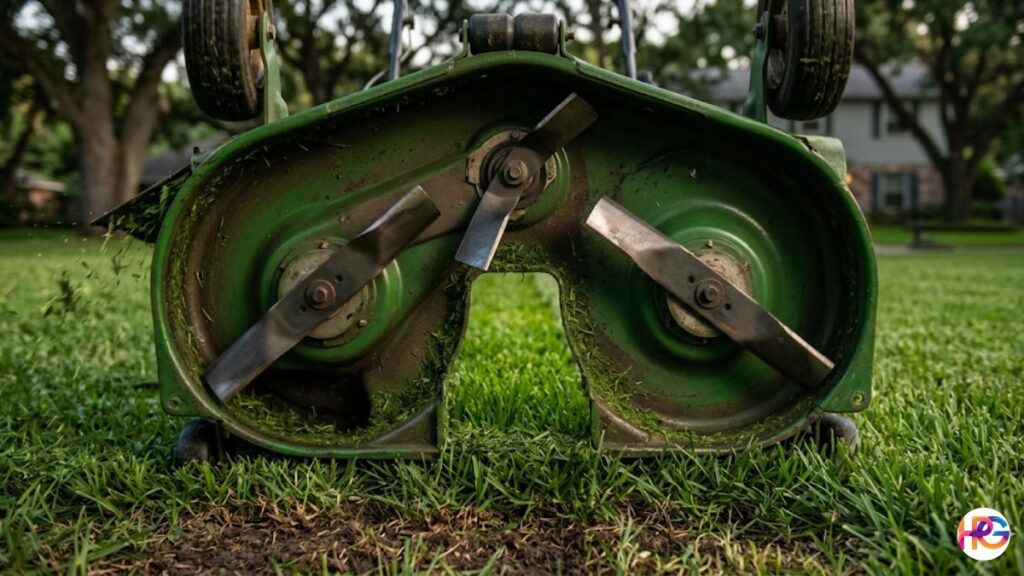
Check Your Mower Deck Before Replacing Parts
Many folks think they need brand new blades right away. Save your money for now. Often, the real culprit is a mower deck that needs a quick tweak. I love taking care of my own gear, and a simple deck adjustment takes just a few minutes.
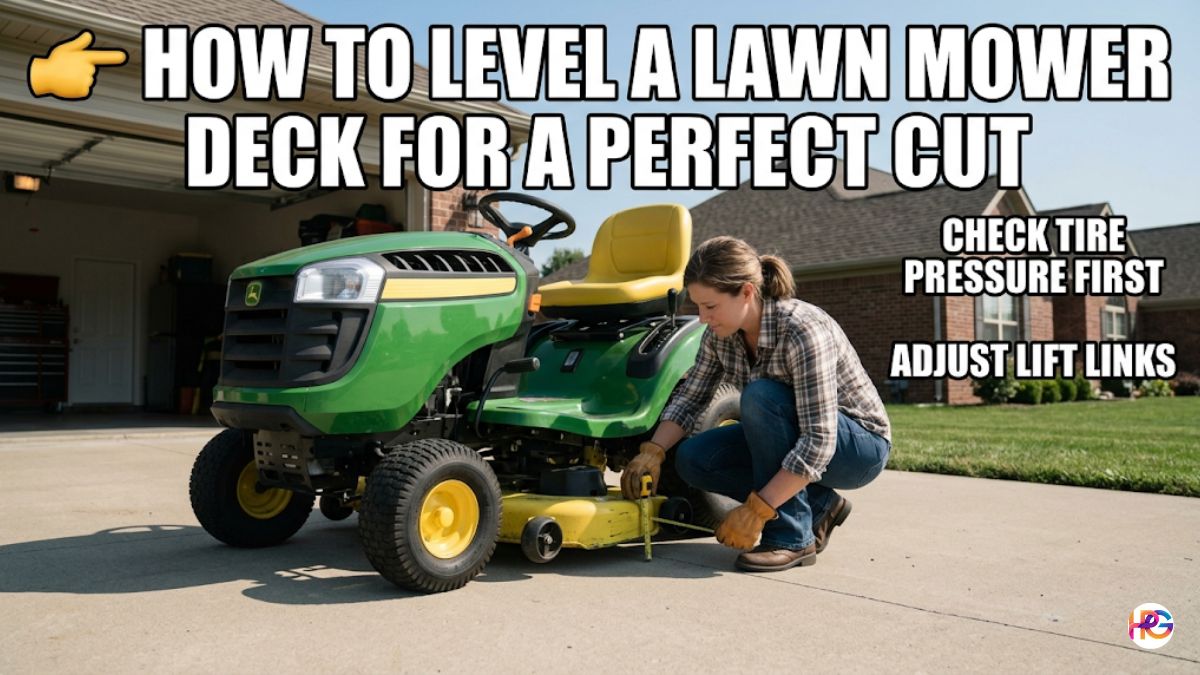
Should a Mower Deck Be Perfectly Level?
- Side-to-side should generally be level: Left to right, it must be flat.
- Front often sits slightly lower than the rear: You might think a deck must be perfectly flat everywhere. Not quite! The front should dip a tiny bit.
- Why manufacturers design decks this way: Brands build them this way to cut grass cleanly and blow the clippings out the back.
- How incorrect deck pitch affects cut quality: A bad pitch ruins your cut quality fast. It traps the air and the grass.
Signs Your Deck Is Out of Alignment
- One wheel track looks different: Look at your yard. One tire mark might look way deeper.
- Repeated strips appear in the same location: You might see uncut strips in the exact same spots every single week.
- Uneven grass height after every mow: It’s incredibly frustrating when I see wavy grass after spending an hour outside.
How to Measure Deck Level at Home
- Park on a flat driveway: You do not need a pro shop to check this. Just park on hard, flat concrete.
- Measure blade tip height: Grab a basic ruler. When learning how to level a lawn mower deck, measure from the blade tip to the ground on the left.
- Compare left and right sides: Check the right side. The numbers should match.
- Consult the owner’s manual specifications: Always check your book for the exact numbers. It takes five minutes and saves so much stress.
Belt and Drive Problems That Cause Missed Strips
A sharp blade is useless if it spins too slowly. Belt issues sneak up on you. Last fall in rainy Oregon, I was rushing to mow before my kid’s soccer game. The mower felt weak. I soon had to ask myself, why does my lawn mower leave a strip of cut grass in the middle? The drive belt was slipping. It was a huge headache.
How Do I Adjust the Tension on My Lawn Mower Belt?
- Symptoms of a loose belt: The blades spin slowly. You might hear a slap sound under the metal deck.
- Reduced blade speed: Slow blades tear the grass. They do not cut it clean.
- Belt inspection basics: Turn the mower off. Look for slack. A tight belt feels like a firm guitar string.
- When adjustment is possible: Some mowers have a tension spring. You can move a bolt to pull it tight.
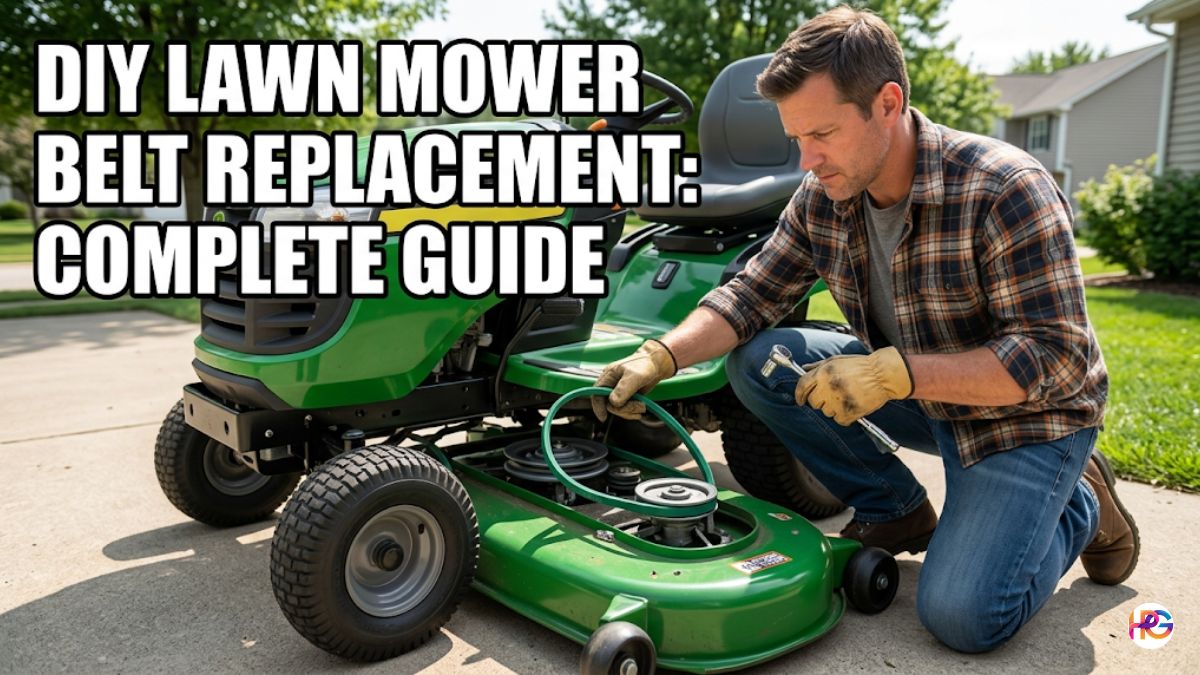
- When replacement makes more sense: If the belt is old and stiff, follow a lawn mower belt replacement guide and just buy a new one. It saves you time.
Warning Signs of a Worn Mower Belt
- Squealing noises: A loose belt whines loudly. It sounds like a bad car belt.
- Burning rubber smell: I hate this smell. It is sharp and nasty in the nose. It means the belt is melting.
- Reduced cutting power: The mower bogs down in normal grass.
- Visible cracks or glazing: Take the belt off. Look closely at the rubber. Shiny or cracked sides mean it is dead.
Grass Conditions That Trick Even a Good Mower
Not every bad cut means a broken part. Sometimes the lawn plays tricks on you. I spent hours fixing my deck in damp Seattle weather once. I felt so silly later. The mower was fine. The wet yard was the real problem.
Wet Grass and Morning Dew
- Grass bends over instead of standing upright: Wet grass sticks together. The mower tires push it flat into the cold mud.
- Clippings stick under the deck: Wet mush clogs the airflow fast.
- Increased chance of streaks: Heavy moisture makes a huge mess. Wait for the hot sun to dry the yard.
Extremely Tall or Thick Grass
- Mower struggles to lift and cut evenly: Thick green patches choke the engine. The blade slows right down.
- Why multiple passes may be necessary: If the yard is tall, cut it twice. Cut high first, then cut lower.
- Benefits of following the one-third rule: Never cut more than one-third of the grass height at once. It keeps the roots very healthy.
Will Grass Grow Back After a Dry Spell?
- Dormant grass versus dead grass: Brown grass might just be asleep. It wakes up fast when it rains.
- Patchy growth causing uneven appearance: Dry patches look exactly like missed strips.
- What homeowners often mistake for mower problems: People blame the mower for dead spots. Check your dry dirt first before you buy new parts.
Why Does My Mower Leave Stripes?
Not all stripes are bad. Some look great! But some show a real issue. Last spring in sunny Georgia, I tried to make my yard look like a baseball field. It did not go well. I just made a huge mess. If you ever ask, why does my lawn mower leave a strip of cut grass in the middle, you need to know good stripes from bad ones. Let me show you the difference.
Good Lawn Stripes vs Problem Stripes
- Healthy lawn stripes: You make these with heavy rollers or specific wheel patterns. The grass just bends in opposite ways. It catches the bright sunlight. You see this on nice golf courses.
- Problem stripes: These are ugly. You will see uneven cutting height across the whole yard.
- Missed grass: You see a tall green line sticking up. It ruins the smooth look of your lawn.
- Clumps and streaks: Thick wet grass falls out in messy piles. It smells bad and kills the grass under it.
How to Avoid Lawn Stripes When Mowing
- Alternate mowing directions: Change your path every single week. I mow north to south one week. Then I mow east to west next time.
- Overlap passes slightly: Do not drive right next to the last tire track. Put your wheel slightly inside the cut zone.
- Keep blades sharp: Dull steel leaves messy lines. Sharpen them often.
- Avoid mowing wet grass: Damp yards trap the clippings. Wait for a warm, dry afternoon.
Why Do My Lawnmower Tires Leave Marks When I Cut Grass?
People love to blame the mower deck for everything. Sometimes, your heavy tires are the real bad guys. I noticed deep tracks in my yard last week after a heavy rain. The soil felt like a wet sponge under my boots. It made me sigh out loud.
Normal Tire Marks
- Grass temporarily flattened: Heavy wheels push the green blades down flat into the dirt.
- Usually disappears within hours: Normal tracks bounce right back up by dinner time. You will not even see them.
- More noticeable on damp mornings: Morning dew makes the grass soft. The tire tracks always look much worse at dawn.
Signs Tire Marks Indicate a Bigger Problem
- Overinflated tires: Hard tires dig deep ruts into the soft dirt. Check them with a gauge. Let a little air out if they are too full.
- Compacted soil: Hard dirt hurts grass roots. The grass cannot get water and cannot grow well.
- Excessively heavy riding mower: Big machines press down too hard on small residential yards.
- Repeated traffic patterns: If you drive the exact same way every single time, you will crush the grass there. Mix up your route to keep your yard happy!
Other Signs Your Lawn Mower Is Damaging Your Lawn
A thin strip of grass is often just the first warning sign. You must watch for other clues. Last August in hot Michigan, my yard looked sick. I was so sad. I had to figure out why does my lawn mower leave a strip of cut grass in the middle. It turned out I was hurting my whole yard without knowing it.
What Are the Signs a Lawn Mower Is Damaging My Lawn?
- Brown shredded grass tips: Look close at the grass. If the tips are ripped, they turn brown fast. It looks like straw.
- Scalped patches: This is when you cut down to the bare dirt. It looks terrible and hurts the roots.
- Uneven mowing patterns: The yard looks wavy and rough instead of flat and smooth.
- Excessive rutting: Deep wheel ruts mean the soil is too soft or your machine is too heavy.
- Repeated clumping: The mower drops heavy piles of wet grass. This chokes the lawn beneath it.
Can Grass Recover From Scalping?
- Recovery depends on grass type: Tough grass bounces back fast. Weak grass might just die.
- Watering and fertilization tips: Give the bald spots extra water. Add a little light fertilizer to help it heal.
- Expected recovery timeline: Good roots will grow back green in two weeks. Just be patient.
- When reseeding becomes necessary: If it stays as bare dirt for a full month, you must plant new seeds.
Quick Maintenance Checks That Improve Cutting Performance
Most striping issues stop if you just do basic upkeep. I love spending a quiet Sunday in my garage, getting a little black grease on my hands while smelling fresh oil and listening to the radio. Good habits save you money and stop bad cuts.
Clean the Underside of the Deck
- Remove built-up clippings: Grab a plastic scraper. Scrape out all that old, crusty green mush stuck to the metal.
- Improve airflow and suction: A clean metal deck pulls air perfectly. The grass stands up tall for the blade.
- Prevent recurring streaks: This simple task stops those annoying streaks before they even start.
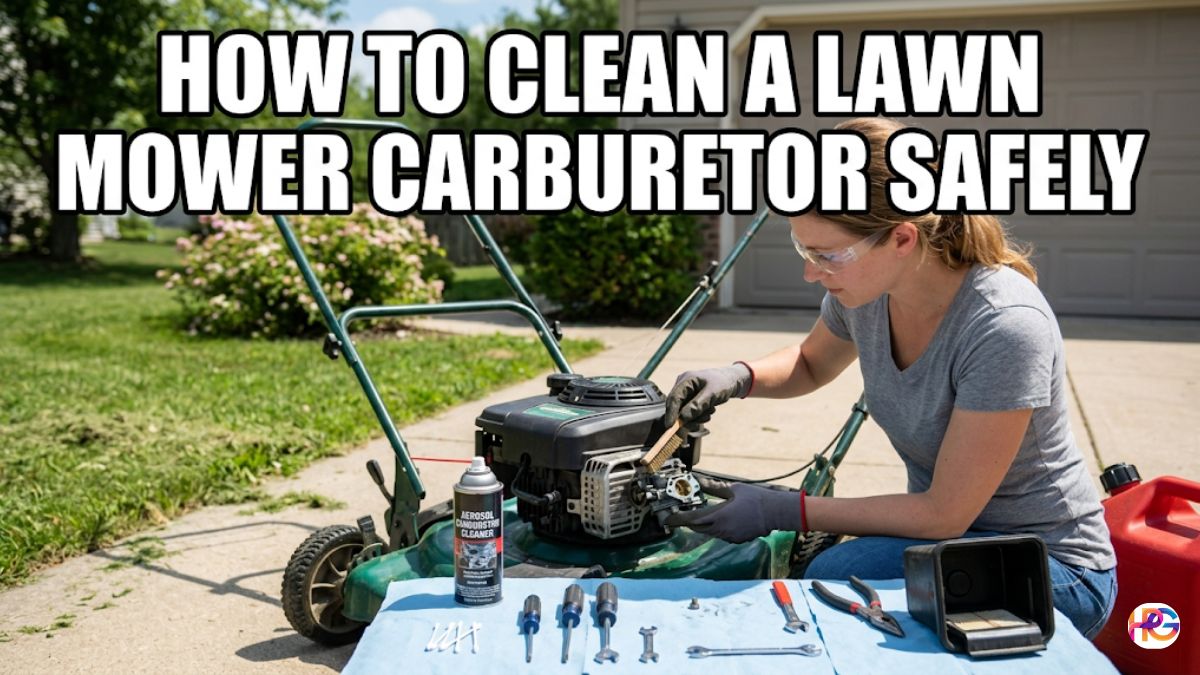
Can You Clean a Lawn Mower Carburetor Without Taking It Apart?
- Basic fuel-system cleaners: Yes, you can! Just pour a good liquid fuel cleaner right into the gas tank.
- When this helps rough engine performance: This works great if the engine sputters or runs weak. It clears out tiny clogs fast.
- When a full carburetor cleaning is needed: If the engine just will not start, the spray fails. If the engine just will not start, the spray fails and you must learn how to deeply clean a lawn mower carburetor by hand.
Keep Blades Sharp Throughout the Season
- Sharpen every 20–25 mowing hours: Do not wait for next year. Grind them sharp every twenty hours of heavy use.
- More often in sandy soil conditions: Sand acts like rough sandpaper on steel. If you live near the beach, sharpen them twice as much.
- Benefits beyond appearance: Sharp cuts stop lawn disease. Your grass will stay lush, green, and very healthy all year.
FAQ
Why does my lawn mower leave a strip of grass in the middle? A loose drive belt or dull blades can cause this issue. The grass fails to stand up. Check your deck for wet grass clumps today to fix your cut.
How do I fix a lawn mower that leaves uncut lines? Slow down your walking pace first. Overlap each row by a few inches. This gives the spinning blades more time to chop the tall grass cleanly.
Will a dirty mower deck cause uncut streaks? Yes. Thick green mud stops the clean airflow under the metal deck. Scrape it out with a plastic tool to get full suction back.
How often should I sharpen my mower blades? Sharpen your metal blades every 20 hours of use. Sharp edges cut clean and stop your yard from turning an ugly brown color.
Why does my mower tear the grass instead of cutting it? Dull or upside-down blades tear the lawn. This leaves a rough edge that dies. Flip or grind the steel to fix this problem fast.