Last Saturday started out great. The sun was shining here in Ohio, and the grass was growing fast. I grabbed a cold drink, jumped on my riding mower, and started cutting. Then, I heard it. A horrible noise came from under the deck. It sounded like a bunch of rocks spinning inside a metal can. The whole machine started to shake. When I looked back, the grass looked terrible. The mower left a long, ugly strip of tall grass right down the middle. My weekend plans changed in an instant. I knew exactly what happened. My mower deck spindle was dead.
Replacing a spindle might sound scary if you have never done it. I used to think it was a job for a pricey repair shop. But you can easily do this yourself right at home. I want to share my personal experience to help you fix your machine. We will cover the signs of failure, the tools you need, and the exact steps to install a new assembly.
Signs of a Failing Spindle Bearing
You need to know what a bad spindle feels and sounds like before you buy parts. A lawn mower deck spindle holds the blades and lets them spin at high speeds. Inside each housing, you have small metal balls called bearings. When these bearings dry out or rust, things go downhill fast. Here is what I noticed on my machine before it quit.
That Awful Noise
The first clue is always the sound. When I engaged my blades, the mower made a loud squealing noise. It sounded like a bad belt at first. As the bearing got worse, the squeal turned into a rough grinding sound. If your mower sounds like a blender full of bolts, your spindle bearing is toast.
Bad Vibration and Uneven Cuts
A bad bearing creates a lot of play in the shaft. That means the blade wobbles as it turns. This wobble makes the whole deck shake. You will feel it right through the steering wheel and your seat. Because the blade tilts, it will also gouge your lawn. One side will be cut short, and the other side will leave tall grass behind.
The Wiggle Test
The best way to be sure is a quick physical check. First, turn off the engine and take out the key. Disconnect the spark plug wire for safety. Reaching under the deck with work gloves on, I grabbed the end of the mower blade. I tried to rock it up and down. A good spindle will not budge. Mine wiggled a quarter of an inch and made a clicking sound. That free play means the spindle housing must be replaced.
Tools and Parts for the Job
You do not need fancy gear for this fix, but the right tools will save your knuckles. I learned the hard way that a few specific items make a huge difference. Here is what I fetched from my garage tool chest before I started.
| Tool Type | What You Use It For | My Rating for This Tool |
| Socket Wrench Set | Undoing deck links and spindle bolts | Must have for every step |
| Wooden Block | Jamming the blade so it cannot spin | Simple but saves your fingers |
| Impact Wrench | Breaking loose the rusty top pulley nut | Highly recommended for speed |
| Torque Wrench | Tightening the new nut to spec | Crucial so the blade stays on |
You will also need a new spindle assembly. I bought a complete kit online. It came with the housing, the shaft, new bearings, and shiny new mounting bolts. Most new units come pre-greased, but it never hurts to check for a grease fitting on top.
Step 1: Removing the Mower Deck
I used to try fixing things with the deck still on the mower. It is a bad idea. You end up lying in the dirt, wrestling with rusty parts you cannot see. Taking the deck off takes five minutes and saves an hour of frustration.
First, park the mower on a flat spot. Lower the deck lift lever all the way down to the lowest setting. Next, slip the mower belt off the main engine pulley underneath the tractor seat. Look for the metal linkage arms that hold the deck to the frame. Most brands use simple cotter pins or clips.
Pop those clips out with a pair of pliers. Once the arms are free, slide the deck out from the side of the mower. Now you have a clear workspace on your driveway or garage floor. I used an old old towel to wipe off the thick layer of packed grass clippings so I could actually see the hardware.
Step 2: Unbolting the Pulley and Old Spindle
This is where the real work begins. The spindle pulley nut holds the belt pulley to the top of the shaft. This nut is exposed to rain and dirt, so it loves to rust tight.
Jamming the Blade
If you just put a wrench on the top nut, the whole blade underneath will just spin around. You need a way to stop it. I took a thick block of wood and wedged it between the tip of the blade and the inner metal wall of the deck. When you turn the wrench, the blade bites into the wood and locks in place.
Fighting the Rusty Hardware
With the blade locked, I used my wrench on the pulley nut. It did not budge. I ended up spraying it with penetrating oil and letting it sit. If you have an impact wrench, use it here. The quick spinning bursts break the rust loose instantly. Once the nut is off, lift the pulley straight up. Do not lose the small metal spacer underneath it.
Removing the Housing Bolts
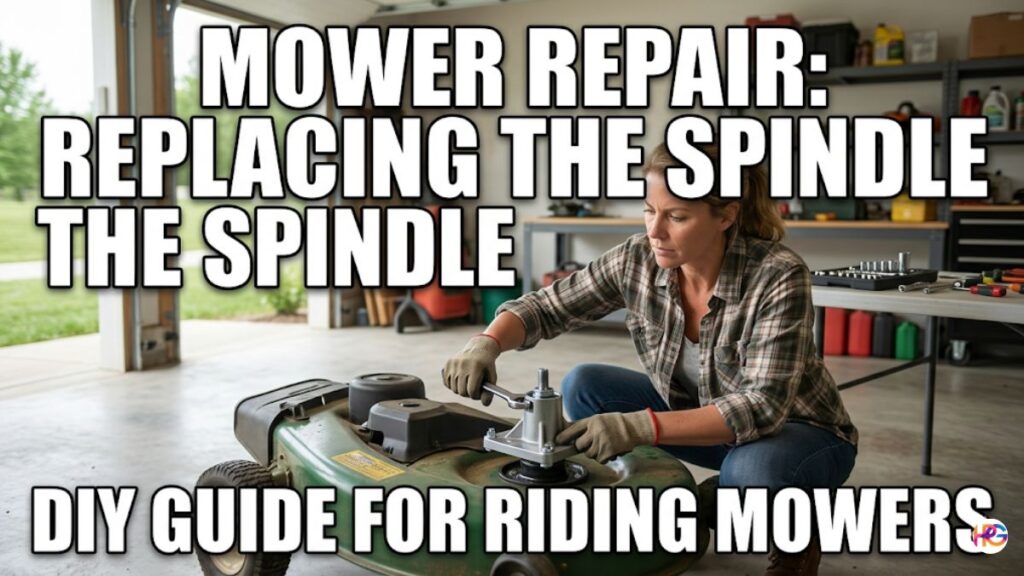
Flip the deck over to get to the mounting bolts. Most decks use four bolts to secure the housing to the sheet metal shell. These bolts can snap if you force them too hard. Turn them slowly. Mine came out with some muscle and a long ratchet handle. With the bolts gone, the old, crunchy spindle dropped right out of the deck.
Step 3: Installing the New Assembly
Putting the new parts on is much cleaner and faster than taking the old ones off. Grab your new spindle assembly and align it with the holes in the deck.
Dealing with Self Tapping Bolts
Many replacement units do not have threads in the holes. Do not panic if yours looks smooth. The kit usually comes with self-tapping bolts. These bolts are made of very hard steel. As you crank them in, they cut their own threads into the soft aluminum housing.
Start all four bolts by hand first. This ensures you do not cross-thread them. Take your socket wrench and tighten them down using a star pattern. Tighten one corner, then move to the opposite corner. This keeps the housing perfectly flat against the deck surface. If it sits crooked, your belt will pop off later.
Mounting the Pulley and Torqueing the Nut
Flip the deck right side up again. Slide the spacer back onto the shaft. Put the pulley back on, making sure the splines line up correctly. Spin the top nut on by hand.
Now, move your wood block to the other side of the blade to lock it for tightening. Grab your torque wrench. This step is important because a loose blade can fly off while you are mowing. I set my wrench to 65 foot-pounds and tightened the nut until I heard the wrench click.
Step 4 Reassembly and Testing
Before you slide the deck back under the mower, check the blades. Since the deck is already off, this is the perfect time to sharpen them or put on fresh ones. Make sure the curved sails of the blade point up toward the deck, not down toward the soil.
If your new spindle has a small grease zerk fitting on the side, grab your grease gun. Pump a few squirts of lithium grease inside until you feel resistance. This keeps the new bearings running cool and pushes out any water that gets inside when you wash the mower.
Slide the deck back under the tractor frame. Hook up the lift links and pop the retaining pins back into place. Loop the mower belt back around the pulleys. Make sure the belt sits inside all the metal guides and belt keepers.
The Moment of Truth
I reconnected my spark plug wire and hopped into the seat. I drove out to the lawn and started the engine. When I pulled the knob to engage the blades, there was no loud scream. The deck ran smoothly and quietly. Best of all, my grass looked clean and even again. Taking an hour to fix this yourself saves serious cash and keeps your machine running great for years.
Frequently Asked Questions:
Can I use a standard wrench instead of an impact wrench to remove the pulley nut?
Yes, you can use a standard wrench with a long cheater bar for extra leverage. Just make sure to wedge a solid wood block tightly under the blade to stop the shaft from turning.
Should I buy a greasable John Deere spindle or a sealed factory unit?
Greasable spindles last longer if you pump them with fresh grease every spring. Sealed units require zero maintenance but will fail faster if water gets inside the bearings.
Will cold winter garage storage ruin my new mower deck spindle?
Cold air alone will not hurt the metal parts. However, damp winter air creates rust on the bearings, so spray the unit with protective oil before parking it for the season.
Do replacement spindle kits come with self tapping mounting bolts?
Most top brands include new self-tapping bolts right in the box. These hard steel bolts cut their own clean threads into the fresh aluminum housing as you crank them down.
What happens if I torque the top spindle nut without a torque wrench?
An under-tightened nut can let the blade fly off while you cut grass. A nut that is too tight will crush the internal bearings and destroy your new hub in a few days.
Also Read this Important Article on: Why Does My Lawn Mower Leave a Strip of Cut Grass in the Middle