How To Use Wood Chips In Gas Grill For Smoke Flavor
It was a hot Friday in Dallas, Texas. I was taking a long break from my blog. A warm breeze blew through the tall trees. Cooking a big dinner sounded like lots of fun.
My outdoor cooker was clean and completely ready. Fresh pork chops sat on a nice white plate. I turned the simple dials to start the fire. Bright blue flames danced under the heavy dark grates.
The meal cooked fast and looked very nice. We sat down at the table to finally eat. The food tasted fine but lacked real magic. That sweet campfire taste was completely missing today.
I felt very sad about the plain dinner. Plain meals do not make fun family memories. I wanted to fix this exact problem right away. Finding a good method became my next big goal.
I planned to learn a fresh new skill. I read many books about outdoor backyard cooking. Testing new ideas took up my whole long weekend. Now I know how to use wood chips in gas grill for smoke flavor.
Picking The Best Tree Types
All trees do not taste the same way. Pine trees have way too much sticky sap inside. Cooking with wet pine will make you very sick. You must pick safe wood for your family’s food.
Fruit trees give off a very sweet, nice smell. Apple chunks work well with light white meat. Cherry logs turn your food a neat red color. Mild tastes come from these great fruit trees.
Hardwoods pack a much stronger, bolder punch. Hickory gives a deep and very rich taste. Mesquite is the boldest choice you can buy. Using strong wood works best for heavy, fatty beef.
Mixing different kinds is a fun backyard game. I like to blend apple and hickory often. Finding these bags is easy at local hardware stores. They cost very little money for a big bag.
Wood Flavor Guide
| Wood Type | Taste Profile | Best Food Match |
| Apple | Sweet and very soft | Pork and chicken |
| Cherry | Fruity with dark tint | Ribs and bird |
| Hickory | Deep and savory | Beef and big roasts |
| Mesquite | Very strong and bold | Thick red steaks |
| Alder | Light and clean | Salmon and white fish |
The Rule About Wet Wood
Many folks tell you to soak your dry chunks. Old books say wet wood is the best way. I tried soaking them in a big metal bowl. Water covered the pieces for two whole long hours.
Placing wet chunks on the fire was truly bad. Steam rose in a thick, ugly gray cloud. It took forever for real good smoke to start. My food tasted like dirty wet mud that day.
Dry wood is the absolute only way to go. They catch heat very fast on the fire. Clean and blue smoke comes out almost right away. Your food will taste so much better this way.
Wet pieces cool down your hot cooking airspace. The liquid must boil away to make real smoke. This puts extra stress on your nice metal parts. Please save your time and skip the cold water.
Making A Cheap Foil Pouch
You do not need to buy costly new gear. Look inside your kitchen for a very simple fix. Heavy metal foil works like a total magic charm. This trick costs almost no extra money at all.
Pull out a nice long piece of silver foil. Make sure it is the thick, heavy-duty kind. Thin foil will burn up very fast over flames. You want a strong, thick shield for the fire.
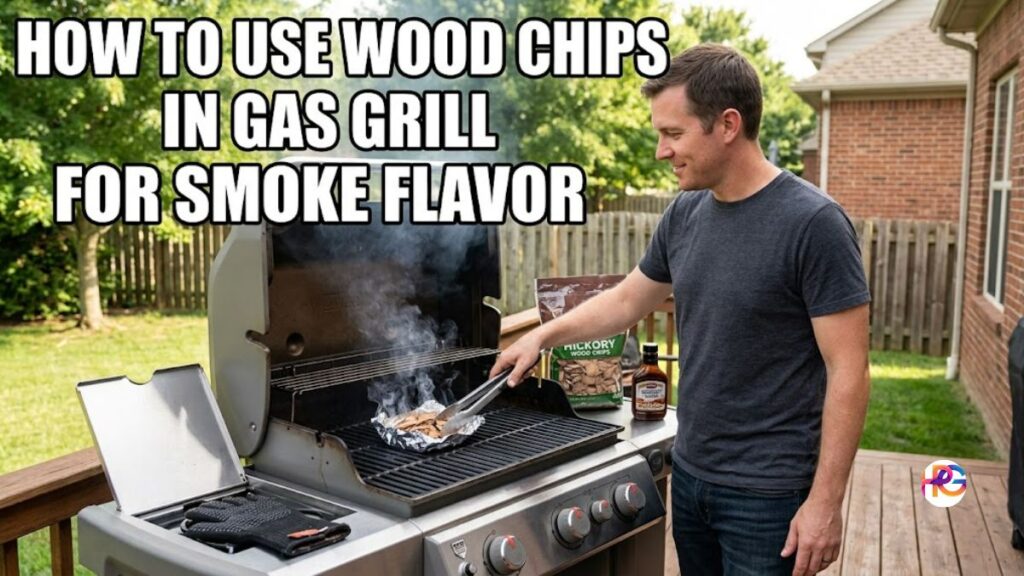
Grab a big handful of your dry wood chunks. Put them right in the middle of the foil. Fold the long edges over the dry wood pieces. Make a neat flat square with the shiny metal.
Wrap the ends up very tight to seal it. You want to keep the outside fresh air away. Fires grow huge when they get too much air. A tight seal keeps the internal flames very small.
Poking Tiny Air Holes
Your flat metal pack is fully closed up now. The fumes need a safe way to get out. Find a sharp, pointed fork in your kitchen drawer. Poke four or five holes in the top side.
Do not make the small holes too big. Huge rips will let in way too much air. Small vents let the fumes leak out very slowly. This makes the slow cooking process work exactly right.
Take off one of your heavy upper metal grates. Set the flat pack down by the lower bars. Turn the dial up high under the tight pack. Close the heavy main lid to trap the heat.
Wait for about ten minutes near the green yard. A thin white fog will start to easily show. The smell will make you feel very hungry. Your cheap foil trick is doing a great job.
Buying A Strong Metal Box
Foil packs work great for a quick, fast meal. Making them every single day gets old very fast. If you cook often, buy a solid metal tool. A steel box saves you a lot of time.
These small, heavy cases have holes in the lid. You just pour the dry bits right inside them. Shutting the tight top lid takes only two seconds. It rests right on top of the hot bars.
Thick cast iron is my top personal choice. Iron holds heat for a very long time. It will not warp or bend in the fire. Paying twenty bucks is a very smart kitchen move.
Using the box is just like the foil trick. Turn the fire up high to get it going. Turn it down when the fog starts quickly rising. Place your raw fresh meat on the cooking grates.
Controlling The Hot Zones
Making good fog is only step number one today. Managing your fire is a much more important deal. High flames will ruin your whole family dinner fast. Slow cooking creates the absolute best meals ever made.
You need to set up two different heat zones. One side of the cooker stays very hot today. The other side stays completely turned off right now. This is a very old trick for great food.
Your box or foil pack goes on the hot side. Your meat rests on the dark, cool side. Warm air flows gently over the soft food surface. It acts just like a warm indoor kitchen oven.
This gentle heat breaks down tough meat very well. The sweet fog sticks to the cold food surface. You will never burn a meal using this method. Staying patient is the absolute key to huge success.
Heat Zone Guide
| Cooking Style | Target Heat | Best Used For |
| Low and Slow | 225 F | Big ribs and thick pork |
| Medium Roast | 350 F | Whole fat young chickens |
| Hot and Fast | 425 F | Quick flat ground burgers |
Learning From My Bad Days
I made many unwise choices at the very start. Using way too much wood was a huge error. I put three big fat packs into the fire. A giant cloud filled up my whole backyard.
My friends coughed from the thick, heavy gray cloud. The meat turned dark black and tasted very bitter. My tongue felt numb from the bad, dark soot. Less wood always means a much better final taste.
Opening the heavy grill door too much was bad. I loved looking at the food as it cooked. Every peek let all the good heat out. The cooking time took way too long that night.
Leave the door completely shut during the whole cook. Buy a cheap wire tool to check the meat. Wires can stay inside while the door is down. This saves your heat and your nice clean fog.
Best Meats To Try First
Starting with huge expensive pieces is very hard. You might ruin a nice costly cut of beef. Pork chops are cheap and easy to learn with. They take on the sweet, smoky flavor very super fast.
Chicken legs are another great fast starter food option. Dark meat stays wet even if you mess up. The skin gets a nice dark color from cherry. Kids always love eating these messy little chicken legs.
Fish cooks extremely fast on hot iron cooking grates. A thin piece of pink salmon is a test. Alder wood makes the fish taste super incredibly fresh. Keep a close eye on the quick timer.
Once you build up your cooking skills, go bigger. Big thick steaks are a fun weekend cooking goal. Huge pork shoulders take a whole day to make. Slow cooking becomes a very fun, relaxing backyard hobby.
Staying Safe Around The Fire
Playing with a hot open fire requires some safe rules. Never cook close to your nice, clean house walls. Keep your rig in an open, fresh-air space. Wind needs room to blow the smoke safely away.
Always keep a fire-fighting stopper tool close by. Water is truly bad for hot, fast grease fires. Baking soda puts out intense flames very fast. A heavy, thick blanket works well in a pinch.
Never wear baggy, loose shirts while cooking outside today. Long sleeves can catch a stray floating hot spark. Tie back long, wild hair before you start working. Safe, happy cooks get to enjoy their yummy food.
Enjoying Your New Backyard
Eating outside is a pure, simple joy for me. It calms my mind after working all week long. Writing posts takes up lots of my mental energy. My patio is my quiet, peaceful mental escape space.
My friends always ask when I will cook next. They love the smell of the dry-burning wood. We sit in chairs and talk for many hours. Good warm food brings nice, happy people close together.
Anyone can learn this simple, easy backyard cooking trick. You do not need magic pro skills to win. Just buy some good wood and heavy metal foil. Keep your heat low and shut the heavy lid.
You now know how to use wood chips in gas grill for smoke flavor. Take your time and have a lot of fun. Your next meal will be a huge, tasty hit. Enjoy every single bite of your very hard work.
Frequently Asked Questions
Q: Can I use a Weber stainless steel smoker box in any gas grill model?
Yes, a Weber smoker box fits nicely on most gas grill flavorizer bars. Heavy steel builds up deep heat fast. It adds a great smoky taste to your weeknight meat.
Q: Will keeping wood chips in a hot Texas garage ruin them?
No, a hot garage keeps your wood chunks completely dry. Dry pieces catch fire fast and make clean smoke. Just keep the bag off the wet floor to stop mold growth.
Q: Do I need heavy-duty Reynolds Wrap foil for the smoke pouch?
Thick Reynolds Wrap is best because thin foil burns through fast over open flames. Strong metal protects the wood pieces. It lets the clean smoke leak out very slowly.
Q: How do I safely clean ash out of a cast iron smoker box?
Let the iron box cool down inside the grill for one whole hour. Wear thick leather work gloves to protect your hands. Dump the cold ash into a safe metal trash can.
Q: Will the intense heat from a smoke box warp my grill grates?
Good steel or iron grates can easily handle the high heat from a smoke box. Cheap thin wire grates might bend over time. Buying heavy grates keeps your outdoor setup safe.