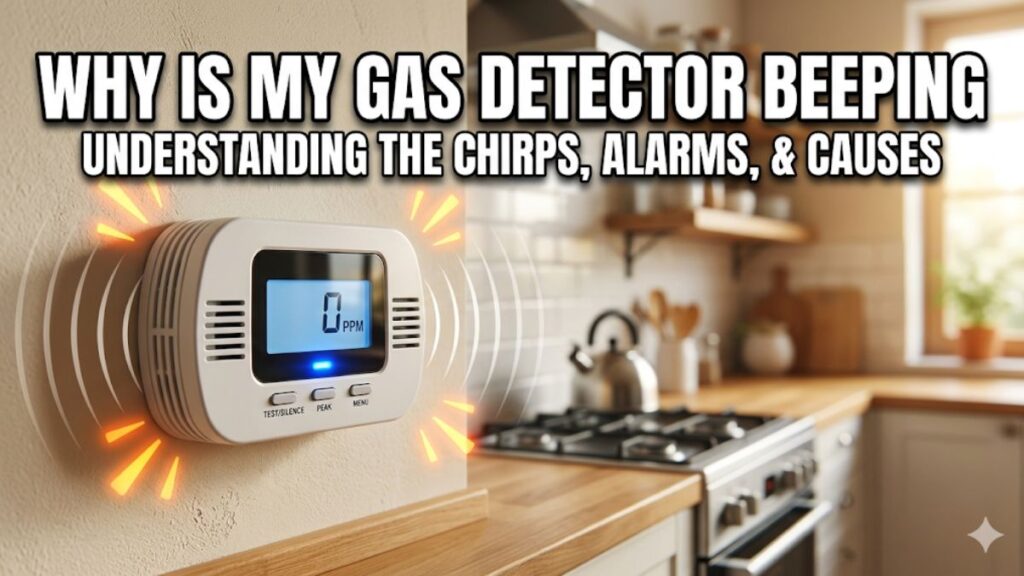
Why Is My Gas Detector Beeping 3 Times Every Minute: What It Means
That Annoying Beep at 2:17 AM — I Thought Something Was Leaking
A lone chirp in the dead of night sounds huge. Here is what I learned the hard way in my cold Ohio kitchen.
The house was still when that random sound hit. My heart raced as I stood there asking, why is my gas detector beeping?
Was it a bad leak or just a low battery? Brands like First Alert build these safety tools to cut through deep sleep and grab your focus.
A shrill chirp just means the sensor needs care. A loud, full blast means you must get out fast.
What Does 3 Beeps Mean on a Detector?
Not all beeps mean danger. Some are just your detector asking for help.
The Meaning of 3 Beeps Every Minute
It was a freezing Tuesday night here in Ohio, early in 2026. The wind was howling outside. I was standing on a kitchen chair in my pajamas, shivering and squinting at the plastic box on my wall. I kept rubbing my tired eyes and wondering, why is my gas detector beeping three times?
It turns out, three fast chirps do not mean a gas leak. It simply means the unit is dying.
Most home gas and carbon monoxide detectors have a strict lifespan. They usually last about five to seven years. After that time, the internal sensor goes bad. It is a wild feeling to realize a safety device can just expire on the wall. But it happens to all of them!
Here are the top reasons for that triple chirp pattern:
- End-of-life warning: The unit is too old. The sensors can no longer test the air.
- Internal sensor failure: A part inside broke down early.
- Memory fault: The small computer chip inside has an error state.
I took a deep breath of the cold room air. There was no gas smell at all. It was just a broken piece of plastic asking to retire.
How This Differs from a Real Gas or CO Alarm
It is very easy to mix up a routine chirp with a real alarm. When you wake up confused in the dark, any loud noise feels like a threat.
But there is a huge difference. Spaced-out chirps mean the unit needs fixing. A real gas or CO alarm is a loud, hard blast. It does not stop. It screams at you to get out of the house fast.
Many folks hear three soft chirps and panic. They think their home is full of gas. Just remember to listen to the pattern. Is it a beep, a long pause, and then more soft beeps? That is just a plea for a new unit or a fresh battery. Is it a non-stop, loud siren? That is a real danger warning.
Why Is My Gas Alarm Beeping Every Minute? (Most Common Causes)
On a rainy Thursday morning, I tested three different detectors around my house to figure out why the gas detector was beeping. With my trusty multimeter in hand, I started checking the power and inspecting the unit closely. What I found was a huge relief. That annoying beep usually comes down to five boring reasons. It is almost never a real gas leak.
Here are the most common things that cause that steady chirp:
- Low or dying battery: This is the top cause. Even if a battery seems new, it might lack the juice to run the sensor. I tested one “new” battery, and my meter showed it was already half dead!
- Expired sensor lifespan: These tools are built to keep you safe, but they do not last forever. After five to seven years, the parts inside simply give out.
- Dust blocking vents: I took one unit down from the wall near my dusty garage workshop. I looked closely at the plastic vents. The tiny sensor grills were packed with gray dust and a small dead spider. A quick clean stopped the noise.
- Temperature or humidity swings: A blast of hot steam from your shower can confuse the sensor. The same thing happens during a very humid Ohio summer. The heavy moisture messes with the readings inside the unit.
- Loose wall mount or wiring issue: Sometimes the fix is wild, like just pushing a plug in tighter. A loose wire or a bad snap on the wall bracket will quickly trigger an error chirp.
How Many Beeps Means Carbon Monoxide?
This part really matters. These sound patterns are the same across all brands to keep us safe.
Last winter in Ohio, I sat on the cold floor staring at the white box on the wall. The same question still kept running through my head. Why is my gas detector beeping? I knew I had to learn the codes before a bad thing hit. The loud noise makes your chest tight. But knowing the code brings you calm.
Here is the standard guide you should know:
- 4 quick beeps plus a pause: This means carbon monoxide is detected.
- A solid, loud alarm: This means active danger right now.
- 1 chirp every 30 to 60 seconds: This is a basic maintenance issue, like a bad battery.
Learning these sounds can save your life. When you hear four sharp beeps, you do not look for a manual. You just grab your coat and run outside to the fresh air. You stay out and let the fire crew do their job.
What Do 4 Quick Beeps Mean on a Carbon Monoxide Detector?
This is the one sound you must never ignore. Ever.
One cold Friday night in 2026, I was sitting in my living room in Ohio. I was drinking hot tea and reading a manual for a new air fryer. Suddenly, a sharp noise cut through the quiet room. Beep, beep, beep, beep. Then a pause. Then it did it again.
This was not a soft chirp that made me casually wonder why the gas detector was beeping. The sound was loud, rapid, and genuinely frightening.
That exact sound pattern means carbon monoxide (CO) is in your home right now. You cannot see this gas. You cannot smell it or taste it. It is a silent risk. My hands shook a bit when I heard it. I knew breathing CO blocks oxygen from your brain. It makes you weak and dizzy fast. It is a wild thought that an invisible thing can cause so much harm.
Instead of trying to fix the unit or open windows, I reacted quickly and moved fast. If you hear those four rapid beeps, follow these exact steps:
- Get outside to fresh air: Drop what you are doing. Grab your family and step out into the yard right away.
- Call emergency services: Dial 911 the second you are safely outside in the fresh air.
- Do not re-enter your home: Stay outside. Wait until the fire crew tells you it is safe to go back inside.
What Does It Mean When a Gas Detector Beeps Randomly?
Sometimes it is not the gas. It is the space around the unit.
It was a warm Sunday in 2026. I was in my Ohio kitchen. I was boiling a bowl of white vinegar and lemon to clean grease off my stove. A heavy, sour steam filled the room. Suddenly, a loud chirp made me jump. I dropped my wet sponge on the floor. I wiped my face and thought, why is my gas detector beeping right now?
It is a wild feeling to get yelled at by a plastic wall box just for doing daily chores. But these sensors are very picky. They constantly read the air. When the air changes fast, they get confused and trigger a random warning.
Here are the most common things that cause a false alarm:
- Steam from cooking or the shower: Thick steam from a hot shower, a baking project, or a boiling pot can coat the inside of the sensor.
- Strong sprays and fumes: Harsh aerosol cleaning sprays, fresh paint fumes, or even bug spray can trick the smart chip inside the unit.
- High humidity spikes: A very damp, sticky summer day adds heavy moisture to the air, which messes up the reading.
- Bad room placement: Putting the alarm too close to a steamy bathroom door or right above a hot oven will cause constant random chirps.
Moving your detector just a few feet away from these wet and smelly spots can stop those random sounds for good.
How to Stop a Gas Detector from Beeping (Step-by-Step)
Here is the exact checklist I now follow before I panic.
It was a cold Monday morning in early 2026. I was drinking coffee in my Ohio kitchen. A sharp chirp made my ears ring. I stood there staring at the wall, thinking, why is my gas detector beeping again? Instead of stressing out, I grabbed my step stool. Here is my fast fix.
Step 1 — Replace the Battery (Even If It Is “New”)
A weak battery will always make that sound. You might buy a fresh pack from the store. But a battery can sit on a shelf and lose its power. A half-charged cell will still chirp at you. Always use a brand new, strong battery to test it.
Step 2 — Check the Manufacture Date
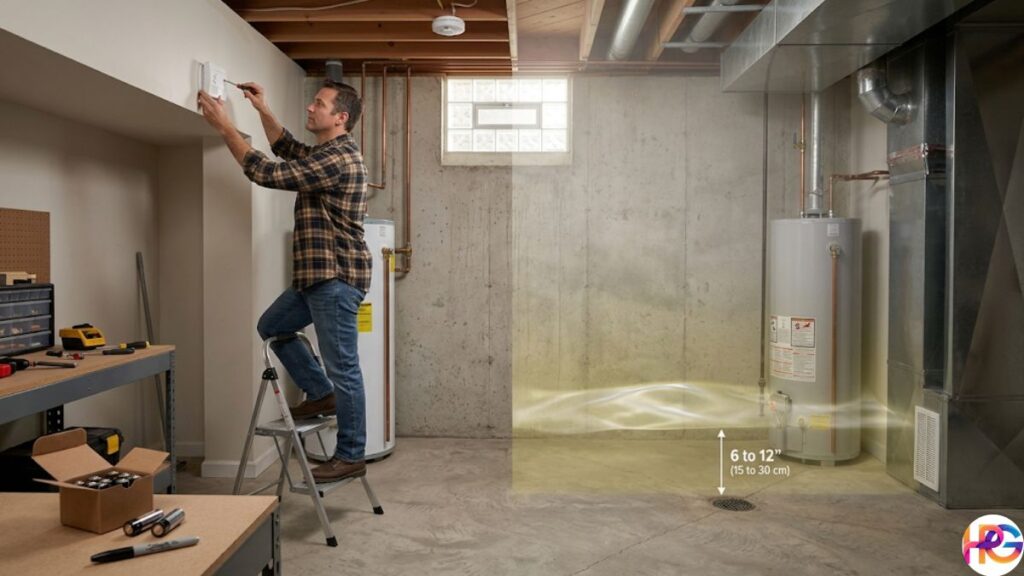
I took the white box off the wall. The plastic felt hard and cold in my hands. I flipped it over to find the printed date on the back. Most units expire after five to seven years. If yours is too old, a new battery will not help.
Step 3 — Clean the Vents
Dust is a big problem. A close look at the tiny air grills revealed thick gray fuzz and even a small dead bug inside. Using a soft dry brush, I carefully cleaned the area. Dirt blocks the sensors and forces a warning noise.
Step 4 — Reset the Unit Properly
A fresh battery does not clear a memory error. You must reset the computer chip. I pressed the test button hard with my thumb. I held it down for twenty full seconds. The unit gave one loud beep, and then the error was gone.
Step 5 — Relocate if Needed
Sometimes the unit is just in a bad spot. I had one too close to my hot stove. Steam and heavy heat make the sensors go wild. Move it a good distance from your cooking gear and damp showers. A better wall spot stops the false alarms for good.
Why Is My Gas Thing Beeping After I Changed the Battery?
This confused me the most. Turns out, a fresh battery does not fix a dead sensor.
It was a sunny Saturday in the spring of 2026. I was in my Ohio home. I was getting ready to bake a fresh sourdough boule. My hands were covered in flour when I heard that annoying noise again. I wiped my hands, grabbed a brand new battery, and popped it in. I smiled, thinking I fixed it. Then, ten minutes later, chirp. I threw my hands up. I asked the empty room, why is my gas detector beeping after a battery change? It was a wild feeling of defeat.
Here is what I found out when I looked closer:
- End-of-life chirp is still active: The battery just powers the unit. It does not fix an old, expired sensor. That triple chirp means the whole unit is done.
- Memory error needs a reset: The smart chip inside still remembers the low power warning. You have to hold the test button down to clear its mind.
- Faulty battery contacts: The small metal springs inside can get loose or dirty. If they do not touch the battery tight, the unit thinks it has no power.
- Time to replace, not repair: You cannot fix a broken gas sensor. When the inside parts fail, it is time to buy a new one.
How to Make a Gas Detector Stop Beeping for Good
The lasting fix is often much simpler than you think.
I used to dread that random chirp in the dark. Now, I have a clear plan. I stopped messing around with broken tools. I replaced my old units with strong, reliable ones built for the long haul.
Here is how you stop the noise for good:
- Replace the old unit with a new one: Do not fight a dying machine. Buy a fresh detector every five to seven years.
- Write the install date on the back: Grab a thick black marker. Write the exact date on the back of the new unit before you hang it up on the wall.
- Schedule yearly battery changes: I change all my batteries every fall when the cold air hits. It is a smart, safe habit.
- Start a monthly test habit: Press the test button once a month. Make sure the alarm sounds loud and clear. It gives you deep peace of mind.
Gas Detector vs Carbon Monoxide Detector — Different Beeps, Different Meanings
I used to think they were the exact same device. They are not.
It was a wet Tuesday in Ohio in 2026. I was fixing a thick metal French press on my counter. A loud sound suddenly went off. I scratched my head. I thought, why is my gas detector beeping right now? Then I looked up at the wall. It was my carbon monoxide unit instead! It is a wild mistake to make when you are just tired and busy.
Here is how they signal differently to keep you safe:
- Natural gas detector patterns: These spot heavy, explosive leaks like propane or natural gas. They usually give one long, solid blast to warn you fast.
- Carbon monoxide detector patterns: These spot the silent, invisible gas. They always use the strict rule of four quick beeps and a long pause.
- Combination units: These smart tools do both jobs. They often use a clear, loud voice to tell you the exact danger. They might also flash a red light for gas and a blue light for CO.
When a Beep Is Actually a Warning You Shouldn’t Ignore
Most chirps are harmless. These loud sounds are not.
You must know when to drop everything and act fast. If I hear a weird sound while baking sourdough bread, I listen very close. I do not panic right away. But some noises mean real danger is in the room.
Do not ignore these clear warning signs:
- Continuous alarm: A loud, non-stop siren means a big gas leak. Drop your tools and leave the house.
- Four rapid beeps pattern: This is the fast CO danger sound. You must get to fresh air right now.
- Smell of gas plus alarm: Natural gas smells like gross rotten eggs. If you smell that bad odor and hear a beep, run outside fast.
- Physical symptoms: This is a huge red flag. If you or your kid feel dizzy, weak, or get a fast headache, get out of the house. The silent gas makes you sick very fast.
My Simple Rule Now — Count the Beeps Before I Panic
This tiny habit stopped me from losing sleep over harmless chirps.
It was a warm Monday evening in the fall of 2026. I was standing in my Ohio kitchen. I was wiping grease off my hands after fixing a broken microwave door latch. Suddenly, a sharp noise broke the quiet. Before my heart could race, I stopped. I did not yell out, why is my gas detector beeping? I just closed my eyes and counted the sounds.
It is a wild feeling to go from pure fear to total calm just by listening. You just need to know the basic math. Here is the clear guide I use to stay safe:
- 1 chirp: This is just a weak battery. You only need to swap it out for a new one.
- 3 chirps: This is the end of life warning. The sensor is dead, and you must buy a new unit.
- 4 rapid beeps: This means silent CO danger. Get out into the fresh air right away.
- Continuous alarm: This is a major gas or CO emergency. Run outside fast and call for help.
Counting the beats gives you your power back. It tells you exactly what to do next without any panic.
Final Thoughts from My Kitchen at 2 AM
That tiny beep taught me more about home safety than any big manual ever did.
It was a dark Wednesday night in 2026 here in Ohio. The house was very still. Standing barefoot on the cold tile floor, I held the dead piece of plastic in my hands after spending twenty frustrating minutes asking the quiet room why the gas detector was beeping. Then I saw the very old date printed on the back. I just had to laugh out loud. It was a wild feeling. I was so ready for a huge disaster. But the poor unit was simply too old to work anymore.
Please do not wait for a loud noise to wake you up in the dark. Grab a small step stool today. Take your unit off the wall and look closely at the date on the back. If it is more than five years old, you should buy a new one right now.
You can have real peace of mind. Almost all the time, those sharp sounds just mean the unit needs basic care. It is almost never a real gas emergency. Keep fresh batteries in your house. Keep the small vents clean from dust. You will sleep much better tonight.
FAQs About Why Your Gas Detector Is Beeping
Q: What does 3 beeps every minute mean on my gas alarm?
Three beeps mean the unit is old. You need a new one to stay safe. Look at the date on the back now. This will tell you if the sensor is dead. Do not wait to replace it.
Q: Why is my gas detector beeping after a battery change?
This means the sensor has reached its end. A fresh battery will not fix an old unit. You must buy a new one to keep your home safe. It is time to upgrade your device.
Q: How do I stop my gas alarm from chirping at night?
Try a new battery first. Then, clean out all the dust. If the noise stays, check the date. You may need to buy a fresh alarm to stop the sound. Do this to get some sleep.
Q: What do 4 quick beeps mean on a carbon monoxide unit?
This sound means there is a real danger. Get out of the house fast. Why is my gas detector beeping? It is to save your life. Call for help once you are in the fresh air.
Q: Can cooking steam make my gas alarm beep randomly?
Yes, hot steam can trick the unit. Move the alarm away from the stove or bath. This keeps you safe from false sounds. It helps you avoid stress and loud noise at home.