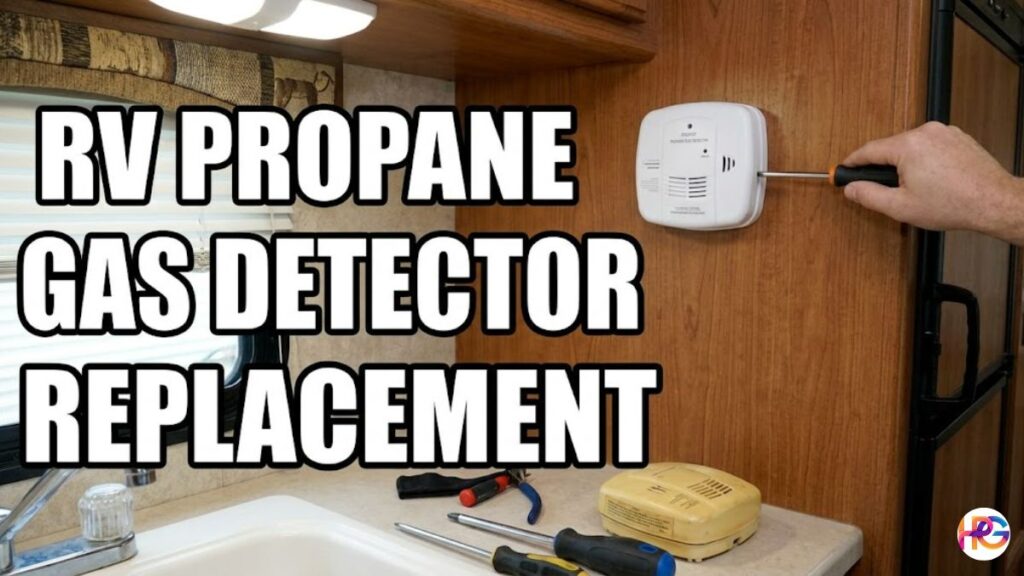
RV propane gas detector replacement
One cold Arizona morning, I stepped into my older fifth wheel, still half asleep and holding a gas station coffee. Then came that sharp little beep… beep… beep. Not loud enough to panic me. Just annoying enough to ruin the morning.
Turns out my RV propane gas detector had quietly reached the end of its life. I honestly did not even know these things expired until that day.
Safety is key. We love the road. But parts get old. From wet state parks to dry camp spots, gas can leak fast. This guide makes your rv propane gas detector replacement simple. It is a quick job. It keeps you safe. You can do it now.
Why RV propane gas detectors matter more than most owners realize
Most of us ignore that little plastic box on the wall. We only notice it when it starts chirping at 2 a.m. I have been there. You are tired and confused. You just want the awful noise to stop. But that little alarm is a huge deal. Propane leaks in a small camper get dangerous fast. We sleep in such tight spaces. A small gas leak fills up the room in just minutes.
What an RV propane detector actually does
So, what does this gadget actually do? It mounts low on your wall for a smart reason. Propane gas is heavy. It sinks straight to the floor. The detector sniffs out gas down near your toes.
- Detects propane leaks near the floor: It catches the heavy gas where it pools first.
- Warns before gas levels become dangerous: It shouts a warning long before the air gets toxic.
- Helps prevent fire, explosion, or carbon monoxide risks: It gives you time to get out safely.
- Usually runs on the RV’s 12-volt system: It wires right into your camper battery, so it stays awake while you sleep.
Is there a propane detector for RV use specifically?
Can you just use a cheap home alarm from a big box store? The answer is no. Yes, there are alarms made just for RV use. House alarms sit perfectly still on a wall. RV alarms take a heavy beating.
Think about driving down a bumpy dirt road in Utah on a hot Tuesday afternoon. Your camper shakes hard. The air gets dusty and dry. A home alarm would break fast. RV propane detectors are built tough. They handle constant vibration, sticky humidity, road dust, and weird power drops from your battery.
When I shop for one, I stick to proven RV brands. The most common trusted names include:
- MTI Industries
- Safe-T-Alert
- Atwood
- Kidde
- Dometic
Why RV detectors fail sooner than people expect
I used to think these alarms lasted forever. They do not. They actually die much faster than house alarms. Why does this happen? Just look at the rough life of a camper.
First, the highway shakes them for hours. Constant vibration rattles their parts. Then we park them in hot storage lots all summer. The sun bakes the plastic circuits. Plus, we cook inside the rig. Think about frying bacon on a rainy morning. That sticky cooking grease floats up and coats the tiny sensor vents. Add in some wild power drops from a weak RV battery. All this stress wears out the sensor fast. That is exactly why they quit working so soon.
How often should I replace my RV propane detector?
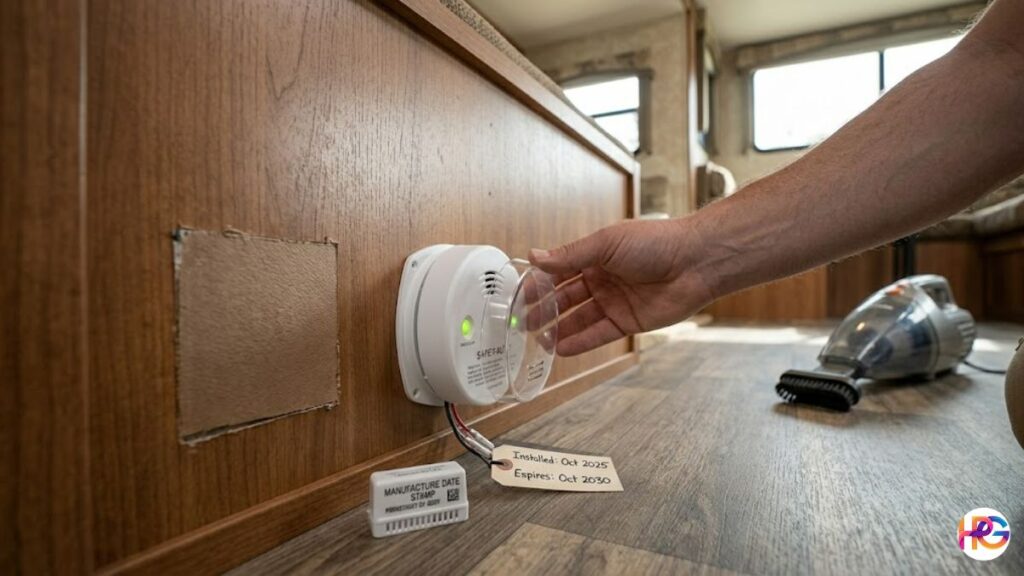
I learned this lesson the hard way. It was a muggy July afternoon at a humid Florida campground. The air was thick and sticky. My shirt clung to my back as I pushed the test button on my alarm. The unit beeped just fine. It looked perfectly clean on the outside. Then I unscrewed it to check the back.
The printed date shocked me. That little plastic box was almost eight years old! I was trusting my safety to an ancient gadget. I had to do an RV propane gas detector replacement right away.
What is the lifespan of a gas detector?
So, how long do these things actually live? Most RV propane detectors last about five to seven years. Some newer models claim they can reach ten years. But you can never just guess.
You must always check the label. Pull the unit off the wall and look at the back side. You are looking for a small, faded sticker. You need to find two things:
- The exact manufacturing date
- The printed expiration date
How often should gas detectors be replaced?
You should never wait for an emergency. You need to replace the unit immediately if you see these warning signs:
- The date on the back shows it is expired.
- You get constant false alarms that ruin your dinner.
- The detector refuses to reset after going off.
- It stays dead silent when you push the test button.
If you camp heavily, play it safe. Proactively replace the alarm every five years. The peace of mind is worth the small cost.
Do smoke detectors really need replacement every 10 years?
While you are checking your alarms, look up at the ceiling. Do smoke detectors really need replacement every ten years? Yes, they absolutely do.
Most smoke alarms expire right around the ten-year mark. The tiny sensors inside weaken very slowly over time. They just get tired. Plus, living in a camper is tough on gear. Extreme heat in storage and bumpy highways can shorten that lifespan even more. Do not risk it. Swap them out when time is up.
Signs your RV propane detector is going bad
Sometimes the warnings are quiet. Other times, the thing just screams at you. I remember a rainy Tuesday night parked along the Oregon coast. I was frying bacon for a quick dinner. The camper smelled amazing. The grease was sizzling in the pan. Then, a loud, piercing scream ruined the peace. My detector started acting erratically. But there was no gas leak. It was just dying.
What are the signs of a bad detector?
You have to watch for the clues. My old unit looked terrible before I finally tossed it. The plastic was brittle and ugly. Here is what to look for:
- Random chirping or beeping in the middle of the night.
- False alarms when you know there is no propane leak.
- The detector will not reset when you push the button.
- No green lights or power indicators show up on the front.
- A delayed alarm response when you actually test it.
- Cracked housing or ugly, yellowed plastic from years of sun.
Why is my RV propane detector beeping?
That annoying beep makes your heart jump. You instantly worry about a gas explosion. You sniff the air for that rotten egg smell. But a beep does not always mean a real leak. Possible causes include:
- An expired detector that just gave up.
- Low RV battery voltage is dropping too far.
- A real propane leak (always check this first!).
- Thick dust trapped inside the tiny sensor vents.
- Moisture buildup from a humid, rainy day.
- Loose or bad wiring behind the wall.
If it keeps acting up, an rv propane gas detector replacement is your best fix. It is not worth the daily stress.
Why is my RV making a beeping sound?
We have all played the awful game of “find that beep.” You walk around the camper. You press your ear against the walls like a person obsessed with finding the source of the noise. Not every beep comes from the propane alarm. Your rig is full of noisy gadgets. It could also be:
- A smoke detector needs a fresh battery.
- A carbon monoxide detector is going off.
- An inverter alarm warns you about heavy power use.
- A refrigerator warns that the door is left open.
- A low battery monitor is crying for a charge.
How to replace RV propane detector safely
I know fixing RV wires sounds scary. I used to hate electrical jobs. My hands were a little sweaty holding the wire strippers the very first time. But honestly, this is one of the easiest fixes you can do. I tackled my first rv propane gas detector replacement on a bright Tuesday afternoon at a dusty Texas RV park. I was getting the rig ready for a long road trip with my kid. Safety was my absolute top goal. The whole job took me about twenty minutes. You can easily do this yourself.
Tools you may need
You do not need a giant toolbox for this. Just grab a few simple things.
- A basic screwdriver.
- A sharp wire stripper.
- A few butt connectors or wire nuts.
- A simple voltage tester.
- Your brand-new replacement RV propane detector.
How to replace RV propane detector step by step
Follow these easy steps. Take a deep breath and do not rush.
- First, walk outside and turn off the gas at the main propane tank.
- Next, completely disconnect your RV battery power. You do not want a nasty shock.
- Take your screwdriver and remove the old mounting screws.
- Pull the unit out from the wall and disconnect the old wiring very carefully.
- Look at the colors. Match the positive wires together. Match the negative wires together.
- Use your connectors to attach the new wires tightly. You should feel a firm snap.
- Push the wires back into the wall and screw the new unit in place.
- Restore your battery power and test the loud alarm immediately.
Common installation mistakes
We all make silly errors sometimes. I actually almost put my first unit upside down! Watch out for these common traps:
- Reversing the wire polarity by mixing up the positive and negative colors.
- Mounting the new detector way too high on the wall. Remember, heavy propane gas sinks to the floor!
- Trying to use a cheap residential detector instead of a tough, RV-rated unit.
- Ignoring the printed expiration date before you even start the installation.
How to test a propane detector the right way
Back then, I was pretty lazy about this. A quick tap of the test button with a broom handle seemed good enough, and I assumed everything was working perfectly. Well, it helps a little. But it only checks a small part of the whole system. I figured this out on a freezing Colorado morning. My RV furnace was running loud and hard to fight the cold. I wanted to be totally sure my family was actually safe.
How do I know if my gas detector is working?
So, how can you be sure the alarm actually works? You need to check a few easy things.
- Look for a solid green power light. That shows the unit has steady power.
- Push the button. Listen for a fast, loud alarm sound. It should hurt your ears a bit.
- Watch for a quick response. It should start screaming instantly, with no weird delay.
How to test a propane detector properly
Doing a real test takes just a tiny bit more effort. Make it a normal camp habit.
- Press that built-in test button every single week.
- Get down on your hands and knees. Look closely for thick dust or green corrosion inside the tiny vents.
- Use a special, approved propane test spray if the maker suggests it in the manual.
- Please, never hold a real cigarette lighter right next to the sensor! You will melt the plastic fast. I watched a guy do this once. It was a funny but foolish mistake. That is a guaranteed way to need an rv propane gas detector replacement that very same day.
How to reset RV propane detector
Sometimes the alarm gets confused. It just needs a fresh start. If it keeps beeping for no real reason, try this simple process.
- Press and hold the reset button firmly for a few seconds.
- Make sure your RV battery is fully charged. Low voltage causes frequent false alarms.
- Disconnect the main power for a quick minute to clear its memory.
- If it still behaves erratically and fails to reset, it is dead. You just have to replace the unit.
How to check the RV propane system after replacement
The new alarm is just one piece of the puzzle. The whole gas setup needs to be healthy. I learned this while camping in the windy mountains of Montana. The cold wind was howling outside. Inside, I was crawling around on the floor. I wanted to make sure my family was totally safe after doing my rv propane gas detector replacement.
How to check RV propane system
You do not need fancy tools to check things out. Just use your eyes and your nose.
- Inspect all the thick rubber hoses for dry cracks.
- Sniff close to the brass fittings. You are looking for that nasty rotten egg smell.
- Before every trip, take a few minutes to check for RV propane leaks around hoses, regulators, and fittings.
- Watch the wet spots closely. If you see growing bubbles, you have a bad leak.
- Go outside and look at the main regulator on the tanks. It should look clean and dry.
- Finally, light your indoor stove burners. Look for a nice, steady blue flame.
When to call an RV technician
I like fixing things myself. I hate paying shop fees. But sometimes, you just have to call a pro. Do not mess around with gas if you feel stuck. Call a mobile RV technician if you see these scary signs:
- A strong, persistent propane smell that will not go away.
- Repeated detector alarms even after you put in a new unit.
- Deep rust or green corrosion on your hard gas lines.
- A tank regulator that keeps freezing over in warm weather.
- Melted or burned wiring hidden deep behind your walls.
What is the best propane gas detector for RV owners?
People ask me this all the time. The best choice really depends on your camper. A tiny teardrop trailer needs a different alarm than a giant motorhome. You just need to find the right fit for your rig and your budget.
Features worth looking for
Do not just buy the first one you see. Look for these key features on the box:
- The official RVIA certification stamp for camper use.
- Direct 12-volt wire hookups for your house battery.
- A combination alarm that senses both propane and deadly carbon monoxide.
- An extra loud siren that will easily wake you from a deep sleep.
- An automatic end-of-life warning chirp.
- Low power draw, so it will not drain your battery dry.
Popular RV propane detector choices
I have seen a bunch of these over the years. Some are great. Some are just okay. The most common trusted units you will find on the shelves include:
- Safe-T-Alert RV propane alarm
- MTI propane gas detector
- Dometic LP gas alarm
- Kidde combination detector
Cheap vs premium detectors
You can save a little money, but you might regret it. I once bought a super cheap alarm. It chirped at me every time the dog passed gas. It was awful and not very funny at the time.
- Budget models: These have a very low upfront cost. They give you just basic alarm sounds and nothing else.
- Premium models: These cost a bit more but offer a much longer lifespan. They have better sensitivity and dual gas monitoring. Best of all, you get far fewer annoying false alarms.
Simple habits that help propane detectors last longer
A little care goes a very long way. I learned this after a bumpy drive through the dry red dirt of New Mexico. Fine dust got everywhere. My alarm started chirping for no reason at all. It got on my last nerve. I finally took a small vacuum hose to the front vents. I sucked out all the hidden dirt. Just like that, the annoying false alarms completely stopped.
Easy maintenance tips
You can make your alarm last longer with a few simple habits.
- Keep the tiny plastic vents completely free of dust and pet hair.
- Never spray window cleaner or bleach right onto the unit. Harsh chemical fumes ruin the sensitive parts.
- Keep your RV battery fully charged. Low power can cause erratic alarm behavior.
- Push that little test button at least once a month.
- Plan your rv propane gas detector replacement before the printed date actually passes. Do not wait for it to fail.
- Park your camper in a dry, covered spot when you can. Heavy dampness hurts the electronics over time.
Final thought
Let us be honest. An rv propane gas detector replacement is not a fun camper upgrade. You will never brag about it around a crackling campfire with your friends. Nobody cares about your shiny new safety alarm. But it is one of the smartest jobs you can do. It takes just a few short minutes. It keeps your family safe while you sleep. Check your date today. Fix it before your next big trip. You will sleep so much better.
Frequently Asked Questions
Q: Do you need a specific RV propane gas detector replacement?
Yes, you must use a special RV alarm. Regular home alarms cannot handle the bumpy roads and hot heat of camping. A good camper unit keeps you safe on the road.
Q: Why does my RV propane detector keep beeping?
Your alarm might be too old and expired. It also chirps when your coach’s battery power drops too low. Always check for a real gas leak first to stay safe.
Q: How long do camper gas alarms stay good?
Most units last five to seven years. Dirt, grease, and summer heat wear them out over time. Look at the back of your unit to find the exact expiration date.
Q: Can a bad coach battery trigger the gas alarm?
Yes, low voltage makes the sensor behave erratically. It will start to chirp if your battery power drops. Keep your rig plugged in to stop these false alarms.
Q: Where should I mount my new propane safety unit?
You must place it very low to the floor. Propane gas is heavy and sinks straight down to your feet. Mounting it down low helps it sniff out a bad leak fast.
Read More About: Why is my carbon monoxide detector chirping with a new battery?